Chhattisgarh CMO Hails 12 Years of Modi's India-First Diplomacy
Synopsis
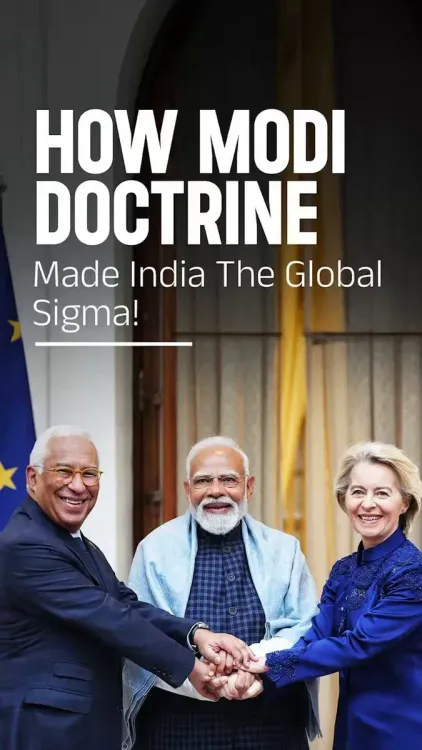
The Chief Minister's Office of Chhattisgarh marked 12 years of PM Modi's leadership on June 19, 2026, crediting his government with reshaping India's global standing through decisive diplomacy, strategic partnerships, and the Viksit Bharat vision.
Key Takeaways
The Chief Minister's Office of Chhattisgarh posted on June 19, 2026 , marking 12 years of PM Modi's foreign-policy record.
The post credits PM Narendra Modi with reshaping India's global standing through 'decisive diplomacy, economic confidence, and strategic vision.' Key policy pillars cited include the Neighbourhood First policy, the Act East Policy , and India's G20 presidency in 2023 .
The long-term vision of Viksit Bharat — targeting developed-economy status by 2047 — is framed as inseparable from diplomatic outreach.
The post tagged @PMOIndia and Vishnu Deo Sai , signalling coordinated messaging between Chhattisgarh's state government and the Union government.
India's upcoming engagements with BRICS and the Quad are the next key diplomatic milestones to watch.
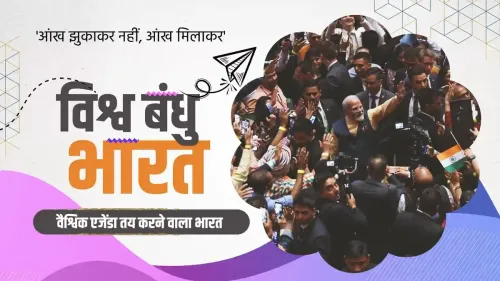
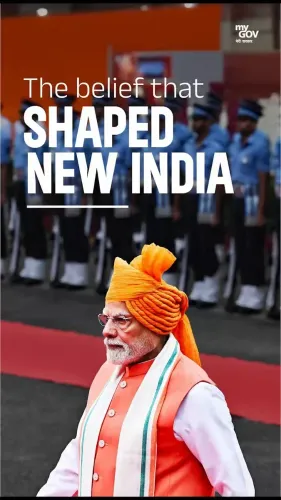
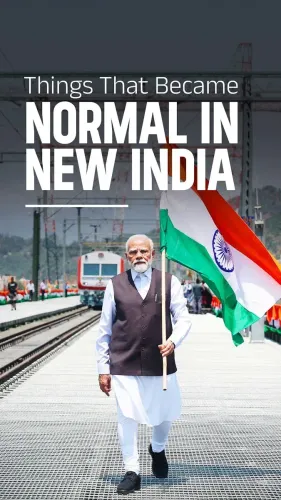
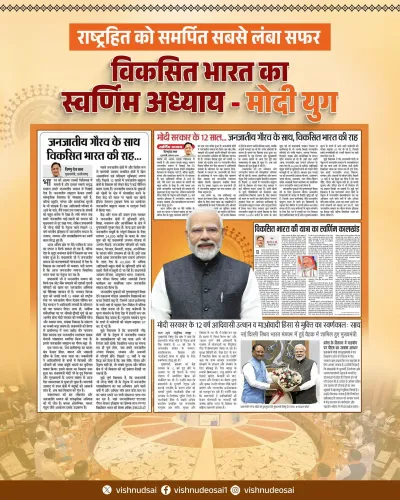
The Chief Minister's Office of Chhattisgarh on Friday, June 19, 2026, credited Prime Minister Narendra Modi with reshaping India's global standing over the past 12 years through what it described as decisive diplomacy, economic confidence, and strategic vision.
Context
The post, shared under the hashtags #12YearsOfIndiaFirst and #ModiDiplomacy, asserts that 'India didn't wait for the world to take notice,' framing the last decade-plus of Indian foreign policy as a proactive, nationally driven project rather than a reactive one. It also tagged @PMOIndia and @vishnudsai — a reference to Vishnu Deo Sai, the Chief Minister of Chhattisgarh — signalling coordinated messaging between the state government and the Union government on the anniversary theme.
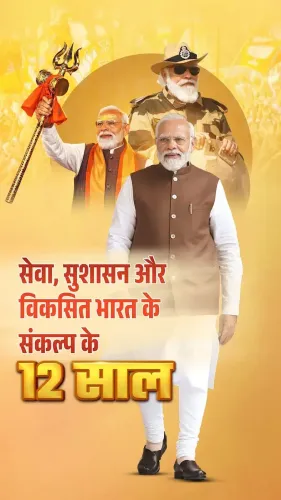
The post forms part of a broader ruling-party commemoration of 12 years of the Modi government, which took office in May 2014. State-level offices across BJP-governed states have amplified the same narrative, tying local governance milestones to the Centre's foreign-policy record.
Policy Backdrop
Since 2014, Indian foreign policy has shifted from a posture of traditional non-alignment toward what analysts describe as 'multi-alignment' — maintaining strategic autonomy while deepening ties across competing global blocs. Key pillars of this approach include the Neighbourhood First policy, which prioritised relations with immediate neighbours from the outset, and the revitalised Act East Policy, which deepened economic and security engagement with Southeast Asia and the broader Indo-Pacific.
A high-visibility marker of this trajectory was India's G20 presidency in 2023, which the government positioned as evidence of expanded multilateral leadership. The long-term economic vision, Viksit Bharat — targeting developed-economy status by 2047 — explicitly integrates diplomatic outreach with domestic growth objectives, treating foreign policy as an instrument of economic transformation.
Stakeholders and Impact
India's diplomatic corps, bilateral trade partners, and multilateral groupings such as the Quad and BRICS are among the principal stakeholders in the foreign-policy architecture the post celebrates. For Chhattisgarh specifically, stronger trade and investment linkages forged through central diplomacy have implications for the state's mineral-rich economy and infrastructure development pipeline.
The post's reference to 'every strategic partnership' over 12 years encompasses a wide range of bilateral agreements — from defence co-production deals to technology transfer frameworks — that have altered India's positioning in global supply chains. The Prime Minister's Office has been the nodal body coordinating these engagements at the highest level.
What's Next
Attention will now turn to India's participation in upcoming BRICS and Quad meetings, as well as any new bilateral strategic partnership announcements that could add concrete milestones to the narrative of India's rising global influence. Domestically, the #12YearsOfIndiaFirst campaign is likely to sustain momentum through the coming weeks as BJP-governed states continue to link their own development records to the Union government's foreign-policy achievements.
For Chhattisgarh, the alignment of state messaging with central foreign-policy themes signals the government's intent to present a unified front ahead of any future electoral cycle, underscoring how diplomatic branding has become an integral part of domestic political communication in contemporary India.
Point of View
Tying regional governance narratives to national diplomatic achievements. The '12 years' framing is deliberate — it anchors the ruling party's identity to a continuous arc of global ascendancy rather than isolated events, making it harder for critics to attribute diplomatic wins to structural factors or predecessor governments. At a deeper level, the post reflects India's broader shift from reactive multilateralism to proactive 'multi-alignment,' a doctrine that has bipartisan roots but has been most aggressively branded under the current dispensation. The invocation of Viksit Bharat alongside diplomacy also signals that foreign policy is increasingly being sold to domestic audiences as a direct enabler of economic aspiration.
NationPress
20 Sept 2026
Frequently Asked Questions
What is the #12YearsOfIndiaFirst campaign about?
The #12YearsOfIndiaFirst campaign marks 12 years of the Narendra Modi government, which took office in May 2014, highlighting achievements in foreign policy, economic diplomacy, and strategic partnerships under the India First doctrine.
What is Modi's Neighbourhood First policy?
The Neighbourhood First policy, launched in 2014, prioritises India's diplomatic and economic engagement with its immediate neighbours — including Bangladesh, Nepal, Sri Lanka, Bhutan, and the Maldives — as the foundation of India's broader foreign-policy outreach.
What is Viksit Bharat and how does it relate to diplomacy?
Viksit Bharat is India's long-term national vision to achieve developed-economy status by 2047. It integrates diplomatic outreach with domestic economic objectives, treating strategic partnerships and trade agreements as tools for accelerating India's growth.
Why did the Chhattisgarh CMO post about India's foreign policy?
The Chief Minister's Office of Chhattisgarh, led by Chief Minister Vishnu Deo Sai, posted as part of a coordinated BJP messaging effort to celebrate 12 years of PM Modi's governance, linking state-level administration to the Centre's foreign-policy record.
What are India's upcoming key diplomatic engagements?
India is expected to participate in upcoming BRICS and Quad meetings, which will be closely watched for new bilateral strategic partnership announcements that could further define India's multi-alignment foreign-policy posture.