Chhattisgarh CMO Hails 12 Years of India First Foreign Policy
Synopsis
The Chhattisgarh CMO on June 19, 2026, credited PM Modi's 12-year 'India First' doctrine for transforming India into a credible global power through multi-alignment, trade cooperation and historic diplomatic agreements, tying the achievement to the Viksit Bharat vision for 2047.
Key Takeaways
The Chhattisgarh CMO posted on June 19, 2026 crediting 12 years of the 'India First' foreign policy for India's enhanced global stature.
PM Narendra Modi 's government has pursued a multi-alignment strategy, engaging simultaneously with the Quad , BRICS and SCO .
The Neighborhood First and Act East policies, both launched in 2014 , form the structural pillars of India's outreach to South Asia and ASEAN.
The post is linked to the Viksit Bharat vision, the government's roadmap for a fully developed India by 2047 .
BJP-governed state governments, including Chhattisgarh , are amplifying the central government's foreign policy narrative through coordinated social media campaigns.
Upcoming BRICS and SCO summits will be key tests of India's multi-alignment doctrine in the near term.
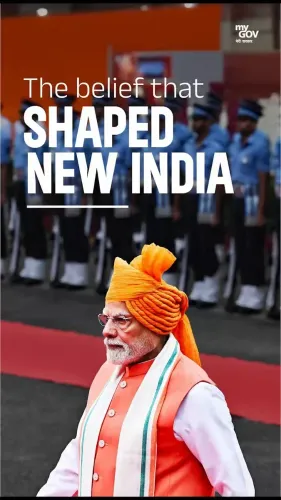
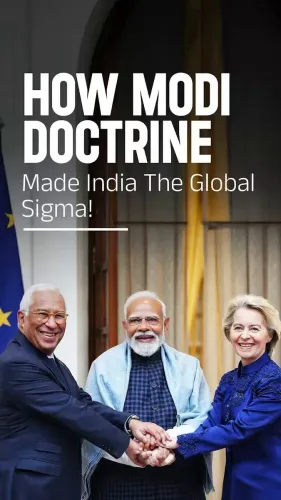
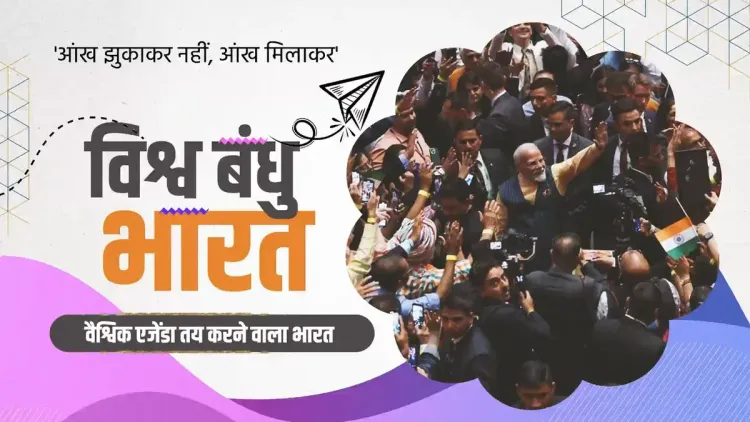
The Chief Minister's Office of Chhattisgarh on Friday, June 19, 2026, shared a post on X crediting Prime Minister Narendra Modi's leadership for elevating India's standing on the global stage over the past 12 years, invoking the resolve of 'Rashtra Pratham' — 'Nation First'.
The post, shared under the hashtags #12YearsOfIndiaFirst and #ViksitBharat, stated that through a 'strong foreign policy, robust diplomatic relations, growing trade cooperation and historic agreements, India has emerged as an influential and credible power in the world order.' It added that under PM Modi's leadership, India is 'writing a new saga of development, trust and global leadership.'
Context
The post marks what the ruling dispensation frames as 12 years of the 'India First' foreign policy doctrine, a phrase closely associated with the Bharatiya Janata Party-led government that came to power in May 2014. The messaging aligns with a broader campaign by BJP-governed states to amplify the central government's foreign policy narrative at the sub-national level. The Chhattisgarh CMO's post is part of a coordinated social media effort visible across multiple state governments on the same theme.Policy Backdrop
Since 2014, India's foreign policy architecture has undergone a significant shift — from traditional non-alignment toward what analysts describe as 'multi-alignment.' Key pillars include the Neighborhood First policy, articulated to prioritise engagement with SAARC nations, and the Act East Policy, upgraded from the earlier Look East Policy to deepen ties with ASEAN and East Asian countries. India has simultaneously expanded its footprint in multilateral groupings including the Quad, BRICS and the Shanghai Cooperation Organisation (SCO), while signing a series of bilateral trade and defence agreements. This approach positions India as a balancing power between major global blocs rather than a committed ally of any single one. The Viksit Bharat vision — a government roadmap for a fully developed India by 2047 — provides the domestic economic framework that the foreign policy is designed to support, with outward investment, technology transfers and strategic partnerships all tied to the 2047 goal.Stakeholders and Impact
The primary beneficiaries of an assertive Indian foreign policy, as framed by the government, are India's diplomatic partners and trade partners who gain a more predictable and economically significant counterpart. For domestic audiences, the narrative reinforces the image of a government that has moved India from a reactive to a proactive global actor. State governments such as Chhattisgarh's — which amplify this messaging — also signal alignment with the central leadership ahead of political cycles. Critics, however, have at times questioned whether the multi-alignment approach adequately safeguards India's strategic autonomy when pressures from competing blocs intensify.What's Next
India's upcoming engagements at BRICS and SCO summits will be closely watched as tests of the multi-alignment doctrine in action. Any new bilateral trade or defence frameworks announced in the months ahead will be read as concrete deliverables attached to the '12 years of India First' narrative that state governments are now actively promoting. Whether the messaging translates into measurable diplomatic or economic outcomes will determine how the doctrine is assessed heading into the next phase of the Viksit Bharat agenda.Point of View
Tying the ruling party's identity to India's perceived rise as a global power. What makes this noteworthy is the pattern: state capitals are increasingly used to project federal foreign policy narratives, blurring the constitutional distinction between Union and state domains. The real test of the doctrine will come not from social media posts but from the tangible outcomes of India's upcoming multilateral engagements.
NationPress
19 Sept 2026
Frequently Asked Questions
What is India's 'India First' foreign policy?
'India First' is the foreign policy doctrine associated with PM Narendra Modi's government since 2014, prioritising India's national interest in all diplomatic, trade and strategic decisions while pursuing a multi-alignment approach across global groupings such as the Quad, BRICS and SCO.
Why is the Chhattisgarh CMO posting about foreign policy?
The Chhattisgarh CMO's post is part of a broader coordinated campaign by BJP-governed state governments to amplify the central government's narrative marking 12 years of the 'India First' doctrine on social media.
What is the Viksit Bharat vision?
Viksit Bharat is the Indian government's roadmap to make India a fully developed nation by 2047, the centenary of independence, linking domestic economic growth with an assertive global posture.
What are India's Neighborhood First and Act East policies?
Neighborhood First, launched in 2014, prioritises India's engagement with SAARC nations, while the Act East Policy, upgraded from the earlier Look East Policy in 2014, deepens ties with ASEAN and East Asian countries.
What multilateral groupings is India part of under the current foreign policy?
Under the current foreign policy framework, India is an active participant in the Quad, BRICS and the Shanghai Cooperation Organisation (SCO), using multi-alignment to engage with competing global blocs simultaneously.