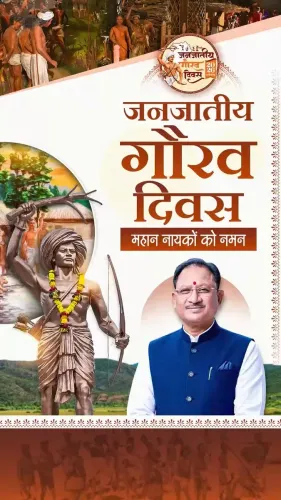
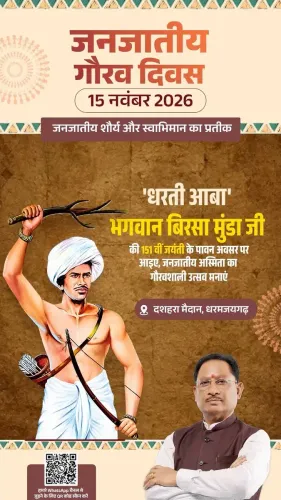
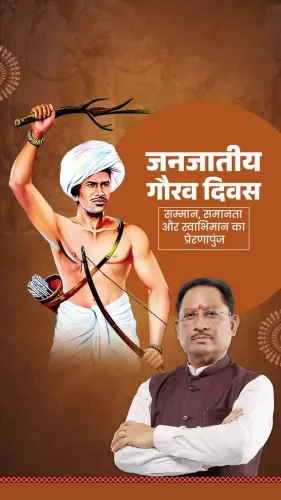
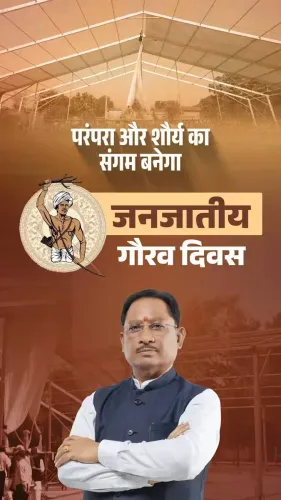
Chhattisgarh CMO Marks Janjatiya Gaurav Diwas in Dharamjaigarh
Synopsis
On 15 November 2026, the Chhattisgarh CMO celebrated Janjatiya Gaurav Diwas in Dharamjaigarh, honouring Bhagwan Birsa Munda's legacy and the vibrant cultural traditions of India's tribal communities on the national observance instituted in 2021.
Key Takeaways
Janjatiya Gaurav Diwas is observed every year on 15 November , the birth anniversary of tribal leader Bhagwan Birsa Munda .
The Government of India instituted the national observance in 2021 to recognise tribal freedom fighters and cultural heritage.
The 2026 celebrations in Chhattisgarh were centred at Dharamjaigarh in Raigarh district , a town with a significant tribal population.
The Chhattisgarh CMO's post highlighted 'extraordinary enthusiasm' among residents for tribal traditions and heritage.
Birsa Munda led the Ulgulan rebellion against British rule in the 19th century and died in British custody in 1900 , aged 25.
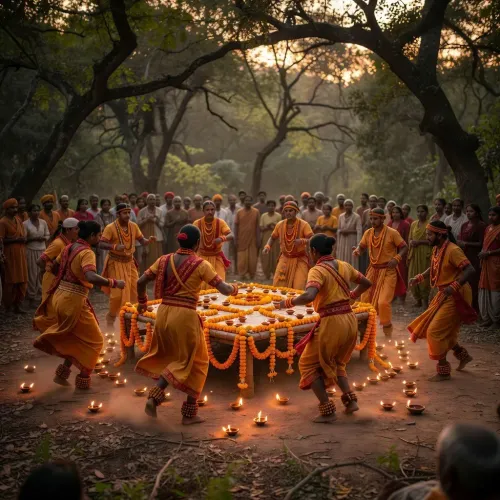
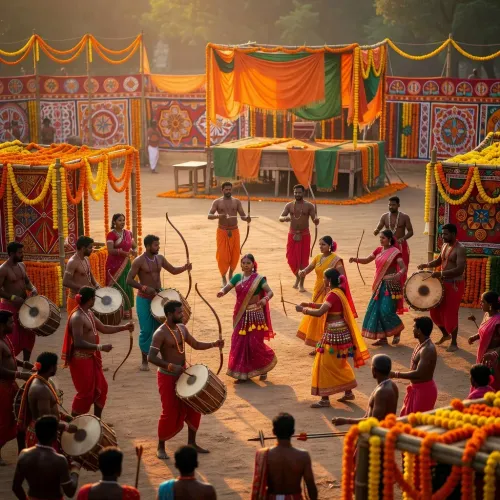
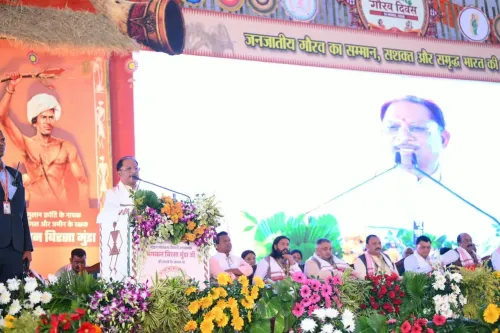
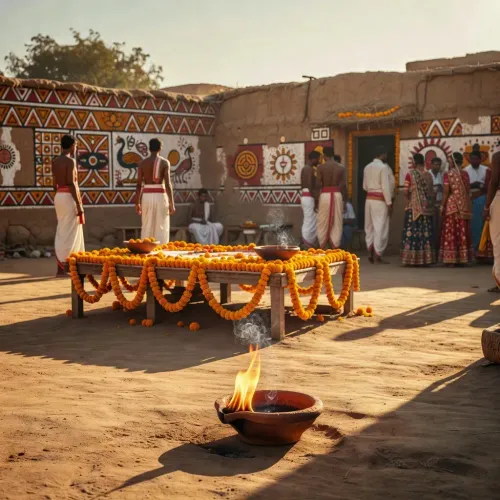
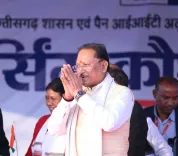
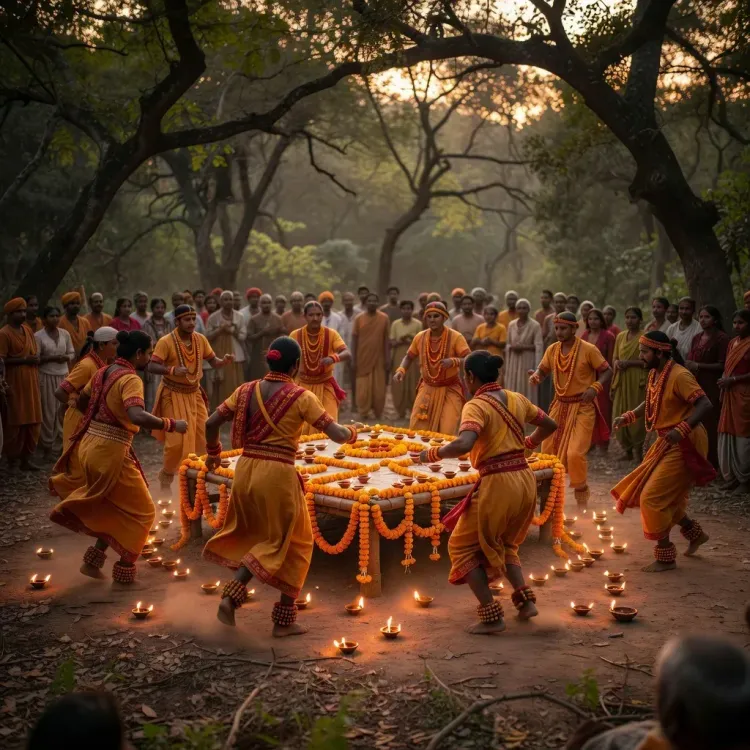
Thousands across Dharamjaigarh gathered on 15 November 2026 to honour the living traditions of India's tribal communities — and the fire lit by one man more than a century ago. The Chief Minister's Office of Chhattisgarh marked Janjatiya Gaurav Diwas with a post celebrating the 'extraordinary enthusiasm of people towards vibrant traditions and glorious heritage' witnessed at the event.
The post, shared on the evening of the observance, reads: 'जनजातीय वीरों का शौर्य हमारी प्रेरणा है, उनकी समृद्ध संस्कृति हमारा गौरव' — 'The valour of tribal heroes is our inspiration; their rich culture is our pride.' At its heart is a salute to Bhagwan Birsa Munda, the 19th-century Munda community leader whose Ulgulan ('Great Tumult') rebellion against British rule turned him into an enduring symbol of indigenous resistance.
Who Was Bhagwan Birsa Munda — and Why November 15 Matters
Birsa Munda was born on 15 November 1875 in present-day Jharkhand. He organised the Munda people against colonial land dispossession and social exploitation, achieving near-mythic status before his death in British custody in 1900 at the age of just 25. His birth anniversary is now the anchor for India's formal recognition of tribal contributions to the freedom movement.
The Government of India instituted Janjatiya Gaurav Diwas in 2021 as a national observance — a policy decision that placed tribal freedom fighters alongside mainstream independence icons in the official calendar. For states like Chhattisgarh, where Scheduled Tribe communities make up a substantial share of the population, the day carries both political weight and deep cultural resonance.
Dharamjaigarh as a Stage for Indigenous Heritage
Dharamjaigarh, a town in Raigarh district of Chhattisgarh, has an established identity as a hub for events that spotlight indigenous customs. Its selection as a venue for this year's celebration fits a broader pattern: Chhattisgarh regularly stages public programmes in tribal-dominated areas to bring heritage visibility beyond urban centres.
The CMO's post highlights the community response — 'जन-जन का अद्भुत उत्साह' ('extraordinary enthusiasm of every person') — suggesting the event drew wide participation across generations. Cultural performances, oral histories, and displays of traditional craftsmanship typically feature in such gatherings, though specific programme details for the 2026 Dharamjaigarh event remain unconfirmed.
Chhattisgarh's Wider Tribal Heritage Push
Janjatiya Gaurav Diwas is not a standalone gesture. It sits inside a larger state and central framework that seeks to document heritage sites, fund indigenous art forms, and integrate tribal history into mainstream education and public discourse. With every annual iteration, the event builds a cumulative archive of indigenous pride — and signals to tribal constituencies that their contributions to the national story are neither forgotten nor incidental.
As the celebrations conclude in Dharamjaigarh tonight, the question for next year is not whether the gathering will happen — it will — but how the government translates the enthusiasm of the streets into lasting institutional support for the communities whose ancestors made the history being celebrated.
Point of View
Tribal-dominated town rather than the state capital — signals a deliberate attempt to bring state visibility to communities that have historically felt marginalised from administrative centres. The CMO's emphasis on grassroots enthusiasm rather than top-down pageantry is itself a messaging choice, framing the celebration as a people's movement rather than a government programme. Whether the annual observance translates into measurable policy gains for tribal welfare, land rights, or cultural preservation will determine its lasting significance beyond symbolism.
NationPress
15 Nov 2026
Frequently Asked Questions
What is Janjatiya Gaurav Diwas and why is it celebrated on 15 November?
Janjatiya Gaurav Diwas is an annual national observance held on 15 November to mark the birth anniversary of tribal leader Bhagwan Birsa Munda and to honour the contributions of tribal communities to India's history and freedom movement. The Government of India instituted it in 2021 .
Who was Bhagwan Birsa Munda?
Bhagwan Birsa Munda was a 19th-century tribal leader from the Munda community who organised the Ulgulan rebellion against British colonial rule and land dispossession. Born on 15 November 1875 , he died in British custody in 1900 at the age of 25 and is revered as a symbol of indigenous resistance.
Where is Dharamjaigarh and why was it chosen for the 2026 Janjatiya Gaurav Diwas celebration?
Dharamjaigarh is a town in Raigarh district of Chhattisgarh with a significant tribal population. It is known for hosting cultural events that spotlight indigenous traditions, making it a fitting venue for a celebration centred on tribal heritage.
When did the Government of India start Janjatiya Gaurav Diwas?
The Government of India instituted Janjatiya Gaurav Diwas in 2021 as a national observance to recognise tribal freedom fighters and preserve awareness of indigenous cultural heritage.
What is the significance of tribal culture in Chhattisgarh?
Chhattisgarh has one of India's highest Scheduled Tribe populations, and the state regularly organises public programmes in tribal-dominated areas to showcase indigenous customs and historical figures, making tribal heritage a central part of the state's cultural and political identity.