CM Sai Marks Janjatiya Gaurav Diwas in Dharamjaigarh
Synopsis
Chief Minister Vishnu Dev Sai led Chhattisgarh's state-level Janjatiya Gaurav Diwas at Dharamjaigarh on 15 November 2026, donning traditional tribal attire to mark Bhagwan Birsa Munda's birth anniversary and pledging development for every tribal household.
Key Takeaways
CM Vishnu Dev Sai attended the state-level Janjatiya Gaurav Diwas celebration at Dharamjaigarh, Raigarh district , on 15 November 2026 .
The event marked the birth anniversary of tribal leader Bhagwan Birsa Munda , revered as Dharti Aaba .
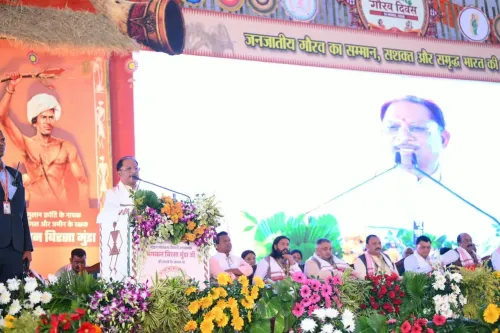
Prime Minister Narendra Modi delivered a virtual address to the gathering; Rajya Sabha MP Nitin Naveen joined virtually as chief guest.
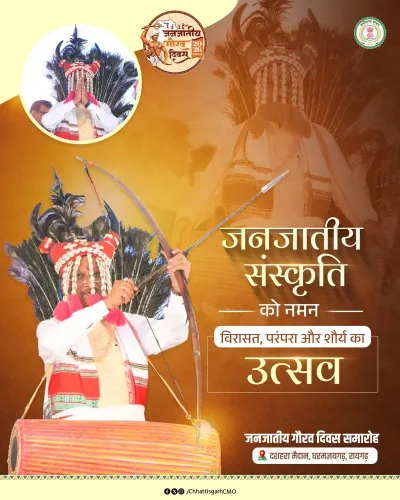
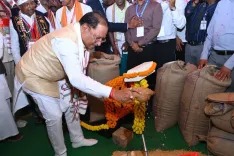
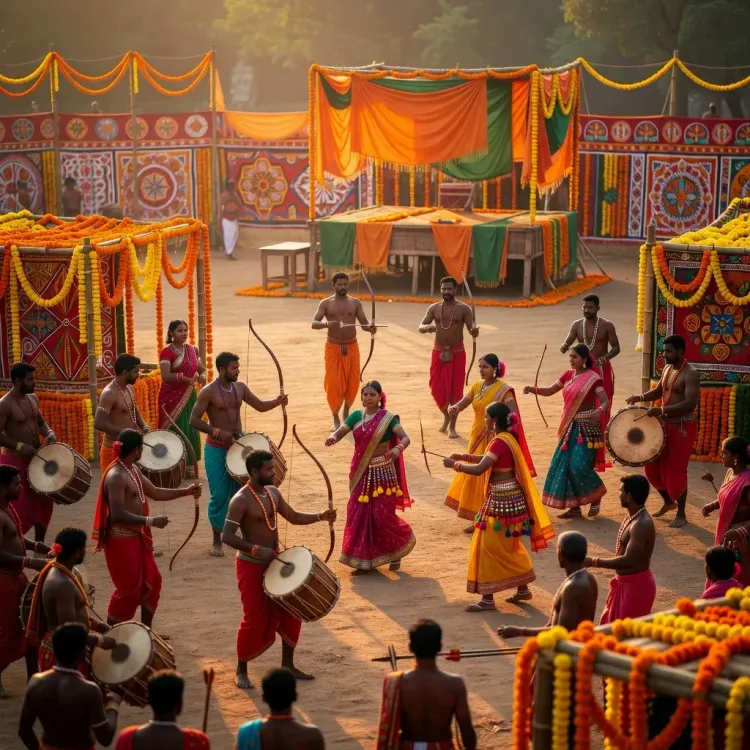
CM Sai wore traditional tribal attire and engaged with participants using bow, arrow, and traditional instruments.
Janjatiya Gaurav Diwas was instituted by the central government in 2021 to honour tribal contributions to India's freedom struggle.
CM Sai pledged respect for tribal culture, preservation of traditions, and development outreach to every tribal family in the state.
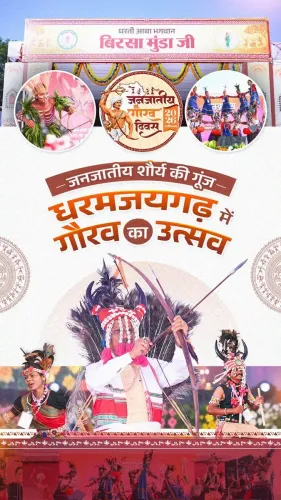
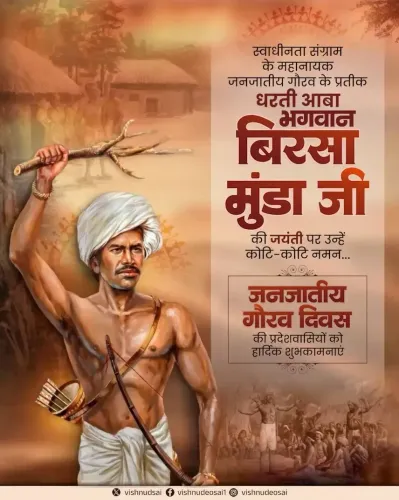
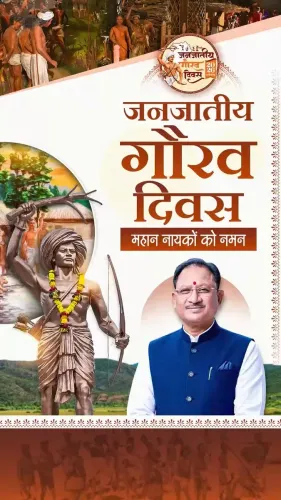
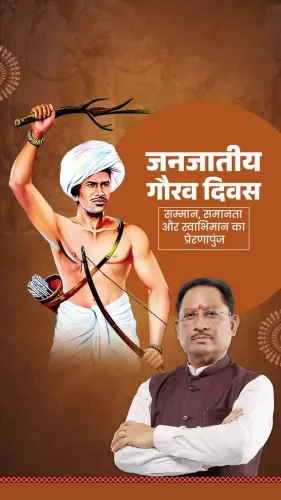
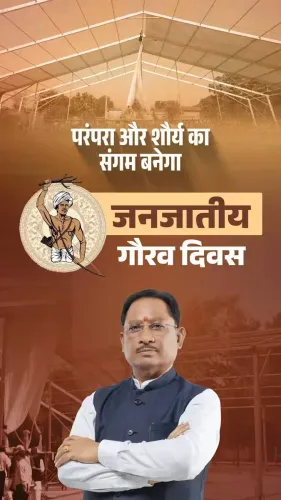
Dressed in traditional tribal attire, bow and arrow in hand, Chief Minister Vishnu Dev Sai stood among his people at the historic Dussehra ground in Dharamjaigarh — and the symbolism was unmistakable. On Sunday, 15 November 2026, Chhattisgarh hosted its state-level Janjatiya Gaurav Diwas celebration at Raigarh district's Dharamjaigarh, marking the birth anniversary of revered tribal icon Bhagwan Birsa Munda, widely honoured as Dharti Aaba — the Father of the Earth.
Birsa Munda's Birth Anniversary Brings Thousands to Dharamjaigarh
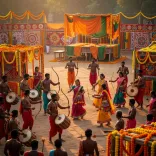
The Dussehra maidan at Dharamjaigarh transformed into a celebration of indigenous heritage as tribal communities gathered in traditional dress alongside CM Sai. Rajya Sabha MP Nitin Naveen participated as the event's chief guest — joining virtually. The gathering also listened to a virtual address by Prime Minister Narendra Modi, delivered on the occasion of Janjatiya Gaurav Diwas, underscoring the national weight the government has assigned to this observance.
CM Sai did not simply preside from the dais. He participated with tribal instruments and joined in the cultural energy of the event — a deliberate act of solidarity with Chhattisgarh's large Scheduled Tribe population that has become a visual signature of his administration.
From 2021 to a National Moment: What Janjatiya Gaurav Diwas Means
Janjatiya Gaurav Diwas was instituted by the central government in 2021 to formally recognise the contribution of tribal communities — particularly their role in India's freedom struggle. Birsa Munda, born in the late 19th century and rooted in the Munda community of what is now Jharkhand, led a fierce revolt against British colonial rule. His legacy of resistance and self-determination has made him a figure of towering reverence across tribal India.
Chhattisgarh — one of India's states with the highest proportion of Scheduled Tribe residents — has consistently aligned its state calendar with this national observance, combining ceremony with public messaging on development delivery.
Sai's Pledge: Culture, Dignity, and Development Together
Addressing the gathering, CM Sai articulated a three-part commitment: 'janjatiya samaj ka samman, uski gauravshali sanskriti aur paramparaon ka sanrakshan tatha pratyek janjatiya parivar tak vikas pahunchana' — respect for tribal society, the preservation of its glorious culture and traditions, and ensuring that development reaches every tribal household. The framing was deliberate — placing cultural dignity and material progress on equal footing.
That pledge lands against a backdrop of ongoing demands from tribal communities across central India for land rights, forest access, and adequate representation in government schemes. How the state's welfare commitments translate into measurable outcomes for Adivasi families will be the real test that follows the celebration.
Point of View
Allowing it to consolidate support among Scheduled Tribe voters — a constituency that proved decisive in the 2023 Chhattisgarh assembly elections. CM Sai's own identity as a tribal leader from the Sarna community adds an authenticity to these events that his predecessors could not claim. The ritual of a chief minister physically joining tribal celebrations — rather than presiding over them — signals a deliberate shift in the political grammar of Adivasi outreach. The durable question remains whether the symbolism is matched by policy delivery on land rights, forest access, and welfare scheme penetration in deeply interior tribal blocks.
NationPress
15 Nov 2026
Frequently Asked Questions
What is Janjatiya Gaurav Diwas and why is it celebrated on 15 November?
Janjatiya Gaurav Diwas is a national observance instituted by the Government of India in 2021 to honour tribal communities and their role in the freedom struggle. It falls on 15 November every year because that date marks the birth anniversary of tribal icon Bhagwan Birsa Munda .
Who is Bhagwan Birsa Munda and why is he called Dharti Aaba?
Bhagwan Birsa Munda was a 19th-century tribal leader from the Munda community who led a revolt against British colonial rule. He is called Dharti Aaba — meaning 'Father of the Earth' — in recognition of his stature as a protector of tribal land and identity.
Where was Chhattisgarh's 2026 Janjatiya Gaurav Diwas event held?
The state-level event was held at the historic Dussehra ground in Dharamjaigarh , a town in Raigarh district , Chhattisgarh, on 15 November 2026 .
What did CM Vishnu Dev Sai do at the Janjatiya Gaurav Diwas celebration?
CM Vishnu Dev Sai wore traditional tribal attire, carried a bow and arrow, and participated with traditional musical instruments alongside tribal community members. He also addressed the gathering, pledging respect for tribal culture and development for every tribal household.
Did Prime Minister Modi attend the Chhattisgarh Janjatiya Gaurav Diwas event?
Prime Minister Narendra Modi did not attend in person but delivered a virtual address to the gathering, which CM Sai and other guests listened to during the ceremony.