CM Sai Launches Nursing College for Tribal Girls in Jashpur
Synopsis
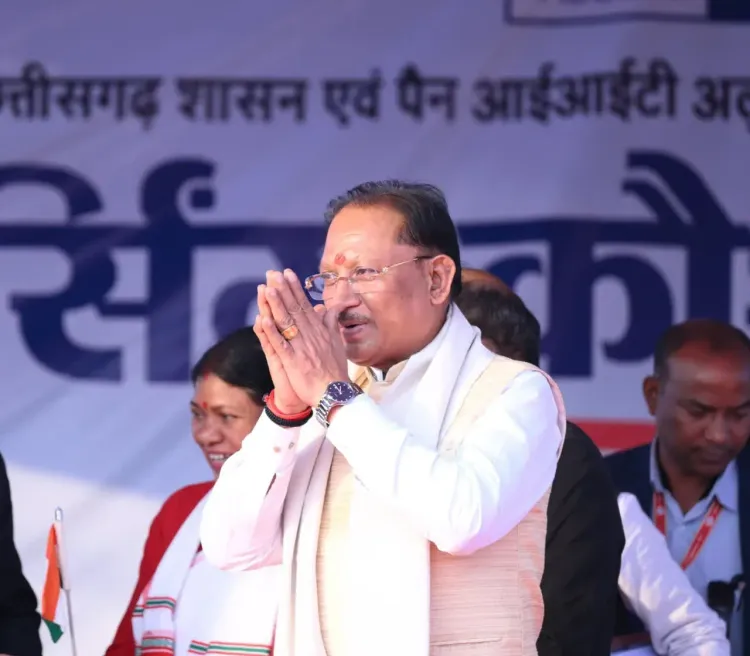
Chief Minister Vishnu Dev Sai inaugurated a nursing skills college at Village Aara in Jashpur on Janjatiya Gaurav Divas, offering a two-year ANM course through the Prachet Foundation — a joint venture of the Chhattisgarh government and Pan IIT Alumni network — with roughly 90% tribal enrollment.
Key Takeaways
CM Vishnu Dev Sai inaugurated the nursing skills college at Village Aara, Jashpur on 15 November 2026 — Janjatiya Gaurav Divas.
The college runs a two-year ANM nursing programme under Prachet Foundation , a joint venture of the Chhattisgarh government and Pan IIT Alumni Reach for India Foundation .
Approximately 90 percent of enrolled students belong to tribal or socially and economically backward communities.
The institution is open to women and third-gender individuals from marginalised sections, alongside tribal youth.
Janjatiya Gaurav Divas has been observed nationally since 2021 to mark the birth anniversary of tribal leader Birsa Munda .
Expansion to other tribal districts and integration with state health department recruitment are the key steps to watch.
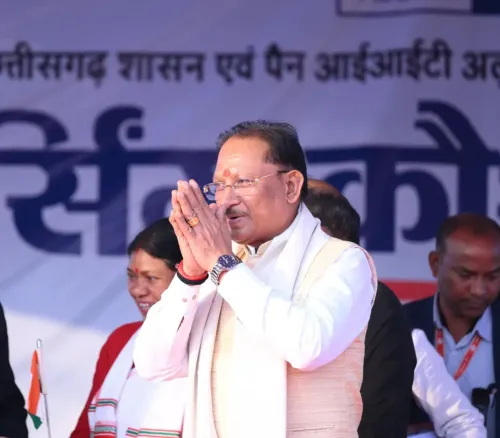
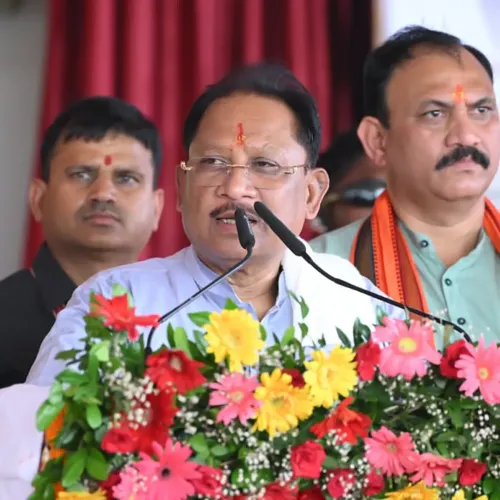
On Janjatiya Gaurav Divas — the day India honours the birth anniversary of tribal icon Birsa Munda — Chhattisgarh Chief Minister Vishnu Dev Sai chose a village in one of the state's most remote tribal districts to deliver a concrete gift: a fully operational nursing skills college for the daughters of the forest belt. The institution, inaugurated at Village Aara in Jashpur district on 15 November 2026, is not a promise on paper. Students are already enrolled.
A college born from two unlikely partners
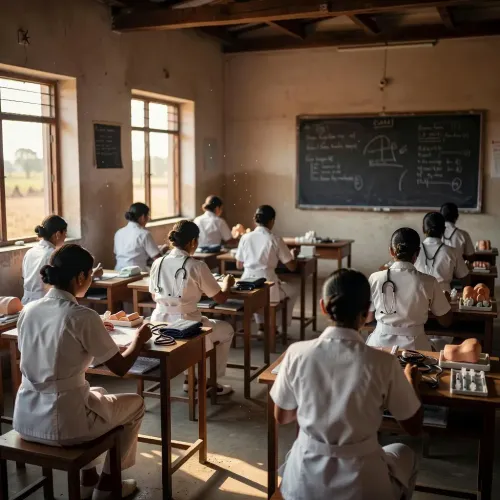
The institution is a joint venture — the Chhattisgarh state government and the Pan IIT Alumni Reach for India Foundation coming together under a shared vehicle called Prachet Foundation. That pairing matters: IIT alumni networks bring institutional credibility and professional networks, while the state brings land, regulatory backing, and reach into districts that private players rarely enter on their own. The result is a two-year ANM (Auxiliary Nurse Midwife) nursing programme delivered in a village that would otherwise have no such facility for miles.
Roughly 90 percent of the students enrolled belong to tribal communities or socially and economically backward sections — a figure the Chief Minister's Office cited when announcing the launch. CM Sai urged the students to study with 'lagn, anushasan, samvedanshilta aur sevabhav' — dedication, discipline, sensitivity, and a spirit of service — and wished them a bright future. The college is also explicitly open to third-gender individuals, an inclusion signal that is still uncommon in rural vocational announcements.
Why Jashpur, and why nursing
Jashpur sits in northern Chhattisgarh, sharing borders with Jharkhand and Odisha. Its terrain is rugged, its tribal population is dense, and its access to formal healthcare infrastructure has historically lagged behind urban Chhattisgarh. ANM-level nurses are the frontline of India's rural health architecture — the trained workers who run sub-centres, conduct immunisation drives, and are often the first (and sometimes only) medical contact for a village woman in labour. Training local women from these communities for ANM roles simultaneously addresses two chronic shortfalls: the state's rural healthcare staffing gap and the lack of formal employment pathways for tribal women.
Chhattisgarh governments have pursued this logic across administrations — using nursing and paramedical courses as a lever to put qualified women from Scheduled Tribe and economically weaker backgrounds into the formal health workforce. What distinguishes the current model is the public-private structure through Prachet Foundation, which could allow faster replication than a purely government-run programme.
Janjatiya Gaurav Divas as a policy stage
Janjatiya Gaurav Divas was established nationally in 2021 to mark Birsa Munda's birth anniversary on 15 November and to bring formal recognition to tribal freedom fighters and cultural heritage. Since then, it has also become a recurring occasion for state governments — particularly those with large tribal constituencies — to anchor welfare launches to the date as a signal of political commitment. CM Sai, who represents a tribal-majority constituency and leads a state where tribal communities form a significant share of the electorate, used the occasion to place institutional infrastructure — not just words — on the record.
The watch item now is whether the Prachet Foundation model expands to other tribal districts, and whether the state health department integrates ANM graduates from Aara into its own recruitment pipeline — the step that would turn a training programme into a career ladder.
Point of View
One that sidesteps the slow pace of purely government-run vocational infrastructure. If ANM graduates are absorbed into the state health department's cadre, the programme creates a replicable pipeline from marginalised community to formal employment — the kind of outcome that shifts electoral narratives. The inclusion of third-gender individuals, however briefly noted, is an incremental but visible step in a conservative political landscape.
NationPress
15 Nov 2026
Frequently Asked Questions
What is the nursing skills college inaugurated by CM Vishnu Dev Sai in Jashpur?
It is a college at Village Aara in Jashpur district offering a two-year ANM (Auxiliary Nurse Midwife) nursing course, established through Prachet Foundation — a joint venture of the Chhattisgarh government and the Pan IIT Alumni Reach for India Foundation.
What is Janjatiya Gaurav Divas and why is it celebrated on 15 November?
Janjatiya Gaurav Divas is observed on 15 November every year since 2021 to mark the birth anniversary of tribal freedom fighter Birsa Munda and to celebrate tribal heritage and contributions to India.
Who can enroll in the ANM nursing course at the Jashpur college?
The course is open to tribal women, youth from socially and economically backward sections, and third-gender individuals. The Chief Minister's Office stated that roughly 90 percent of current students are from tribal or backward communities.
What is Prachet Foundation?
Prachet Foundation is a joint venture between the Chhattisgarh state government and the Pan IIT Alumni Reach for India Foundation, set up to deliver skill development and empowerment projects in the state.
Why is an ANM nursing programme important for tribal districts like Jashpur?
ANM nurses are frontline rural healthcare workers who staff sub-centres and handle maternal and child health. Training local tribal women as ANMs addresses both the rural healthcare staffing shortage and the lack of formal employment pathways in remote districts.