Chhattisgarh CMO: Sirpur earns UNESCO tentative list spot
Synopsis
Chhattisgarh's ancient archaeological site Sirpur has been placed on UNESCO's tentative World Heritage list, the state's Chief Minister's Office announced on October 23, 2026 — a milestone the Vishnu Deo Sai government frames as proof that heritage and development can go hand in hand.
Key Takeaways
Sirpur in Chhattisgarh has been placed on UNESCO's tentative World Heritage list , marking a major step toward full inscription.
The announcement was made by the Chief Minister's Office of Chhattisgarh on October 23, 2026 .
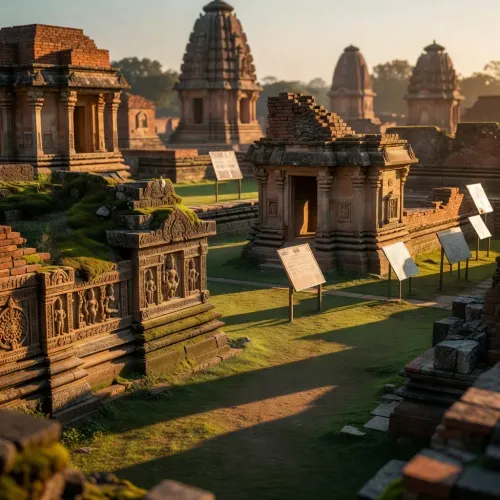
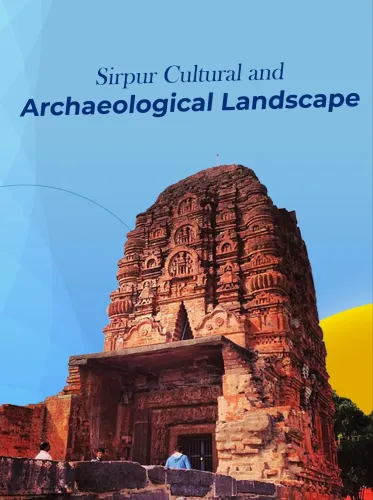
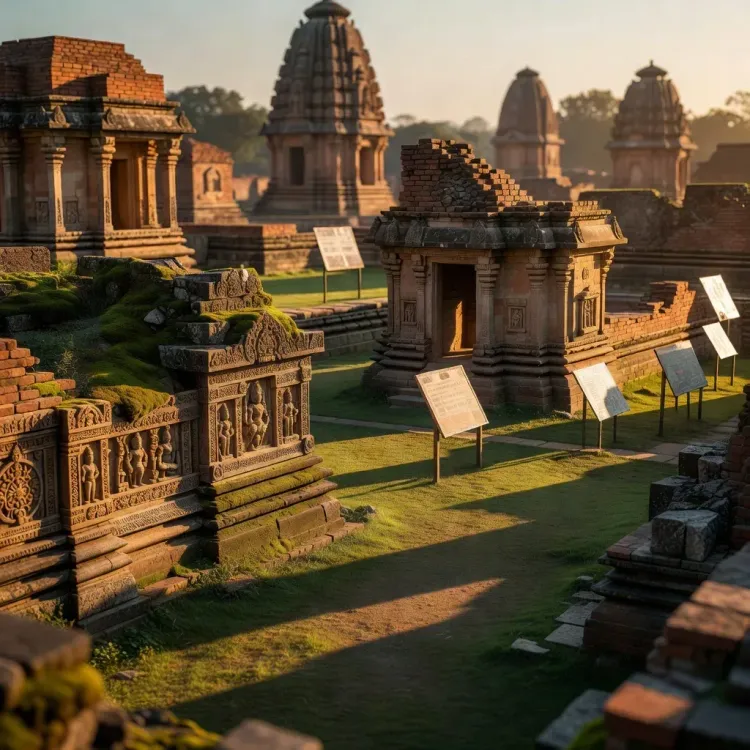
Sirpur features 6th to 12th century Hindu and Buddhist temples, viharas, and shrines in the Mahasamund district .
Chief Minister Vishnu Deo Sai's government has linked the recognition to its Virasat Bhi Vikas Bhi (heritage as well as development) agenda.
The tentative list placement is the first formal stage before a site can be nominated for full UNESCO World Heritage status .
An ancient city that once flourished between the 6th and 12th centuries has just taken a significant step toward global immortality. The Chief Minister's Office of Chhattisgarh announced on Friday, October 23, 2026, that Sirpur — the state's storied archaeological jewel — has secured a place on UNESCO's tentative World Heritage list, calling it a landmark achievement for the state's proud history.
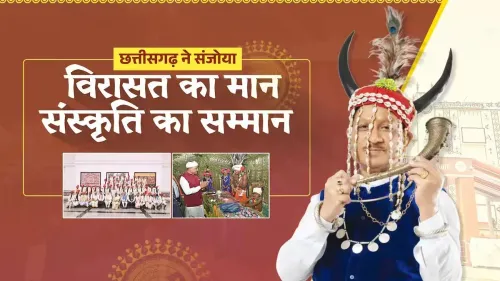
The post, shared under the hashtag #VirasatBhiVikasBhi ('heritage as well as development'), frames the recognition as more than a cultural milestone — it is a statement of intent. Chief Minister Vishnu Deo Sai's government has been vocal about linking Chhattisgarh's rich heritage to its broader development agenda, and placement on the UNESCO tentative list is the clearest international validation of that strategy so far.
What Sirpur's ruins tell the world
Sirpur, located in the Mahasamund district of Chhattisgarh, is one of central India's most significant yet undersung archaeological sites. Its temple complexes, Buddhist viharas, and brick shrines represent a rare convergence of Hindu and Buddhist heritage from a period when the site served as a major cultural and political centre of the Deccan. Excavations have revealed intricately carved temples dedicated to Vishnu and Shiva alongside expansive monastic remains — evidence of a pluralistic civilisation that predates many of India's better-known heritage sites.
The UNESCO tentative list is the essential first stage before a site can be formally nominated and evaluated for full World Heritage inscription. It is not a guarantee of the ultimate designation, but it signals that a government has formally committed to pursuing recognition — and has met an initial threshold of 'outstanding universal value'.
The 'Virasat Bhi Vikas Bhi' push behind the milestone
Indian states have increasingly treated UNESCO listings as strategic tools — not just for cultural prestige, but for unlocking conservation funding, international tourism, and infrastructure investment. The slogan Virasat Bhi Vikas Bhi — 'heritage too, development too' — signals that the Sai government sees these goals as inseparable. Heritage conservationists and the state's tourism sector are both watching the next steps closely.
For Chhattisgarh, a state more often discussed in terms of its mineral wealth and security challenges, landing Sirpur on a global cultural map carries real symbolic weight. The next stage will involve UNESCO's formal evaluation process, which can span years and requires detailed documentation, conservation plans, and often, comparisons with similar sites worldwide.
A civilisation buried for centuries may finally be getting its due — and the world is beginning to take notice.
Point of View
With all the conservation funding and tourism momentum that brings. For the Sai government, the timing is politically useful: it positions Chhattisgarh as a state that balances development with cultural stewardship, countering a narrative that the resource-rich state is only defined by its industrial or security profile. The Virasat Bhi Vikas Bhi framing also aligns with a broader national trend of using heritage diplomacy as soft power. The real test, however, will come in whether the state invests meaningfully in conservation infrastructure at Sirpur before UNESCO's formal evaluation arrives.
NationPress
23 Oct 2026
Frequently Asked Questions
What is UNESCO's tentative World Heritage list?
UNESCO's tentative list is an inventory of sites that a country considers as potential candidates for nomination to the World Heritage List. Inclusion is a mandatory first step before a formal nomination can be submitted and evaluated.
Where is Sirpur located in Chhattisgarh?
Sirpur is located in the Mahasamund district of Chhattisgarh, central India. It is an ancient archaeological site with temples and monasteries dating from the 6th to 12th centuries .
What is special about the Sirpur archaeological site?
Sirpur contains a rare mix of Hindu and Buddhist heritage , including brick temples, viharas, and shrines from the 6th to 12th centuries, making it one of central India's most significant ancient cultural centres.
What does 'Virasat Bhi Vikas Bhi' mean?
Virasat Bhi Vikas Bhi translates to 'heritage as well as development' — a slogan used by the Vishnu Deo Sai government in Chhattisgarh to frame cultural preservation and economic growth as complementary goals.
Does UNESCO tentative list status mean Sirpur is now a World Heritage Site?
No. Tentative list status is only the first stage. A full nomination, detailed documentation, and UNESCO's formal evaluation — a process that can take several years — are still required before Sirpur can receive official World Heritage Site status.