Chhattisgarh CMO Spotlights Maa Patal Bhairavi Temple in Navratri 2026
Synopsis
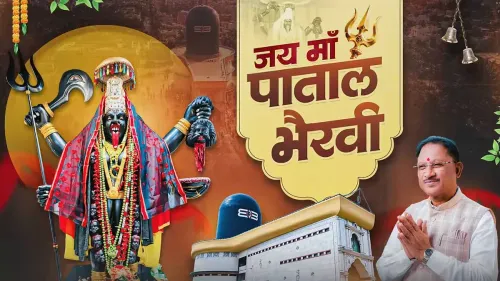
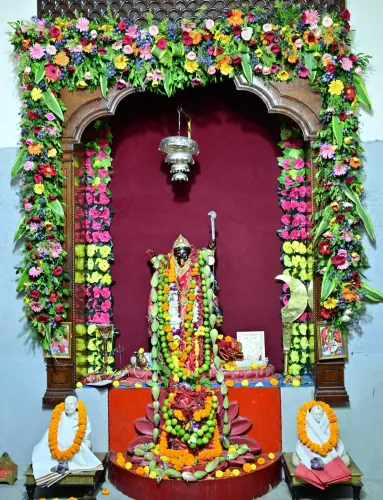
The Chief Minister's Office of Chhattisgarh paid tribute to the Maa Patal Bhairavi temple in Rajnandgaon during Navratri 2026, calling it a sacred abode that grants devotees peace, strength, and spiritual energy.
Key Takeaways
The Chief Minister's Office of Chhattisgarh posted a tribute to Maa Patal Bhairavi temple in Rajnandgaon on October 18, 2026 .
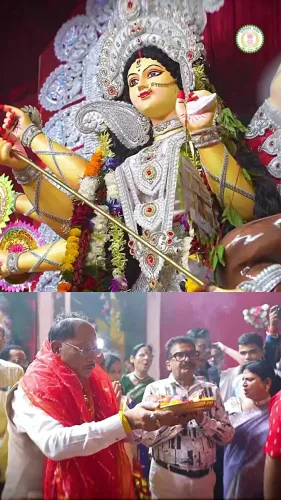
The post was shared during the Navratri 2026 festival season, dedicated to the worship of the divine feminine.
The temple is described as a pavan dham — a sacred abode offering peace, strength, and spiritual energy to pilgrims.
Official hashtags included #CGNavratri2026 , #महतारी_के_मान , and #शक्ति_वंदन , underscoring the state's cultural messaging.
The post reflects a wider pattern of Indian state governments using official channels to promote local religious heritage and domestic tourism.
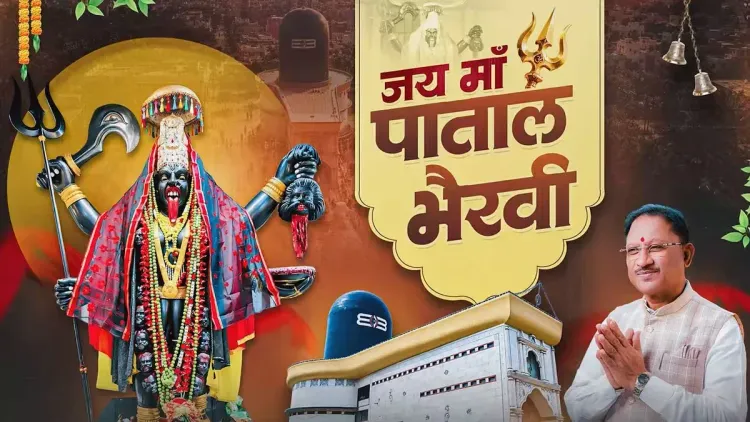
Amid the nine sacred nights of Navratri, the ancient shrine of Maa Patal Bhairavi in Rajnandgaon, Chhattisgarh is drawing thousands of devotees seeking what the faithful describe as peace, strength, and spiritual energy — and now, official recognition from the state's highest office.
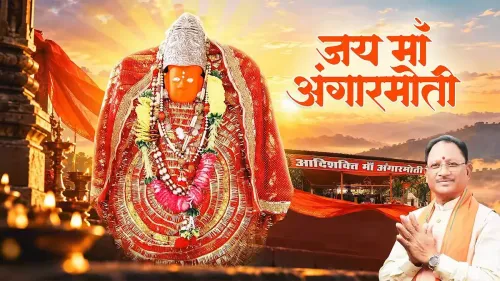
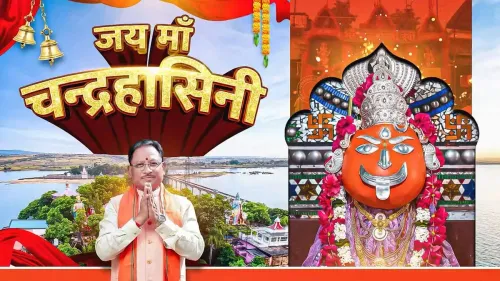
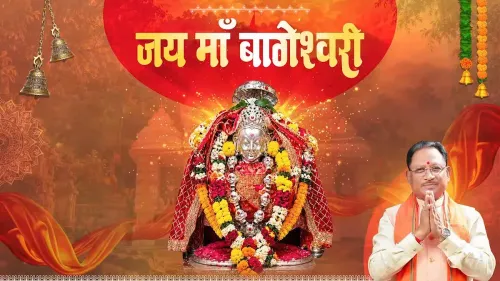
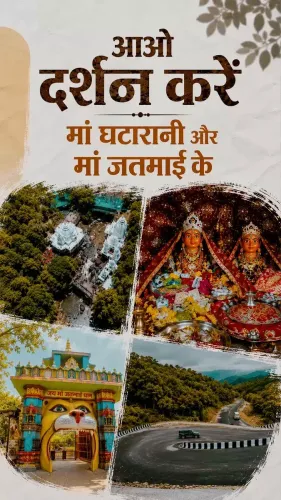
The Chief Minister's Office of Chhattisgarh on Sunday, October 18, 2026, shared a tribute to the temple on X, describing it as a 'pavan dham' (sacred abode) of devotion, faith, and unwavering belief. 'Jai Maa Patal Bhairavi,' the post began — a salutation that encapsulates the reverence millions of Chhattisgarh residents hold for the goddess.
Rajnandgaon's Shakti Shrine Steps Into the Spotlight
Rajnandgaon is a district in central Chhattisgarh, home to a network of local religious sites that hold deep cultural significance for communities across the region. The Maa Patal Bhairavi temple is among those sites that draw pilgrims especially during the Navratri season, when worship of the divine feminine reaches its annual peak across India.
Navratri — literally 'nine nights' — is one of Hinduism's most widely observed festivals, with each regional variant carrying its own ritual character. In Chhattisgarh, the festival carries the added cultural weight of the hashtag #महतारी_के_मान (honour of the mother goddess), a phrase that signals the state government's broader messaging around the reverence for the feminine divine.
State Social Media as Cultural Amplifier
Indian state governments have increasingly used official social media channels to spotlight local temples and festivals — a dual-purpose exercise that serves both cultural promotion and domestic tourism. The CMO's post, tagged #CGNavratri2026 and #शक्ति_वंदन (salutation to Shakti), follows this well-established pattern, lending institutional visibility to a shrine that might otherwise remain known only to local pilgrims.
For Chhattisgarh, which is home to numerous tribal and folk-religious traditions alongside mainstream Hindu practice, such posts also carry a message of cultural continuity — a reminder that the state's spiritual landscape extends well beyond its better-known urban centres.
As Navratri 2026 draws devotees to mandaps and mandirs across the country, the ancient goddess of Rajnandgaon now has the full spotlight of the state behind her — and pilgrims are answering the call.
Point of View
Signalled by recurring hashtags like #महतारी_के_मान. For a state with significant tribal and folk-religious communities, spotlighting local shrines like Maa Patal Bhairavi is also a soft assertion of Chhattisgarhi distinctiveness within the national Hindu cultural conversation. It positions the governing establishment as a custodian of grassroots faith rather than just urban temples. Whether this translates into tangible heritage investment or remains symbolic messaging is the question that follows every such post.
NationPress
18 Oct 2026
Frequently Asked Questions
Where is Maa Patal Bhairavi temple located?
Maa Patal Bhairavi temple is located in Rajnandgaon district, Chhattisgarh, India.
Why is Maa Patal Bhairavi temple significant during Navratri?
The temple is a regional centre of Shakti worship, and Navratri — the nine-night festival dedicated to the divine feminine — is when pilgrim footfall and devotional activity at such shrines peak across India.
What is CGNavratri2026?
CGNavratri2026 is an official hashtag used by the Chhattisgarh government's social media accounts to aggregate content around the Navratri 2026 festival celebrations across the state.
What does Mahataari ka Maan mean?
'Mahataari ka Maan' (महतारी के मान) translates to 'Honour of the Mother' in Chhattisgarhi, and is a recurring phrase used in the state government's messaging to express reverence for the goddess and the feminine divine.
Why does the Chhattisgarh CMO post about temples?
State governments in India regularly use official social media to promote local religious and cultural heritage, supporting community identity, domestic tourism, and the visibility of regional shrines.