CM Sai: 30 Chhattisgarh ITIs to be modernised under PM-SETU
Synopsis
Chhattisgarh CM Vishnu Deo Sai announces 30 government ITIs will be modernised under PM-SETU with ₹1,446 crore across six clusters, anchored by MoUs with Bhilai Steel Plant and NMDC for the Durg and Bastar clusters.
Key Takeaways
30 government ITIs in Chhattisgarh will be modernised under the PM-SETU scheme backed by PM Narendra Modi.
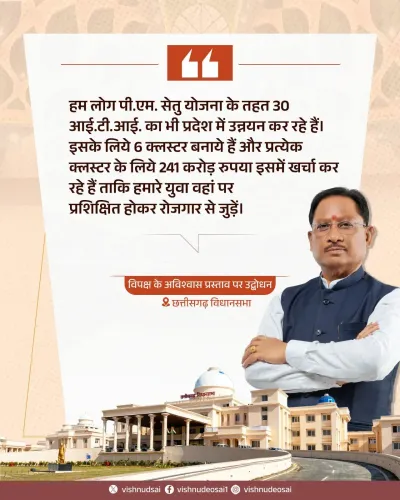
Proposed investment of approximately ₹1,446 crore will be structured across six geographic clusters .
Bhilai Steel Plant (SAIL) and NMDC have already signed MoUs for the Durg and Bastar clusters , directly linking training to industry demand.
The cluster model aims to align ITI curricula with the specific industrial needs of each region — steel in Durg, mining in Bastar.
The initiative targets three outcomes for Chhattisgarh youth: modern skills, better local employment, and entrepreneurship opportunities .
Rollout timelines for the remaining four clusters and placement data from upgraded ITIs will be the key markers to watch.
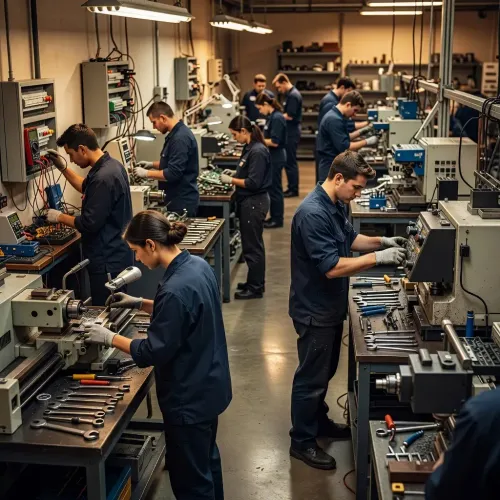
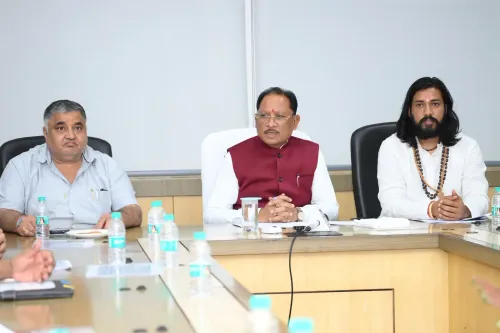
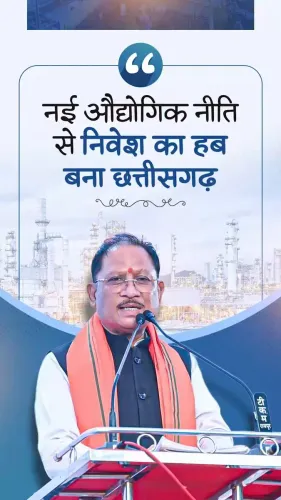
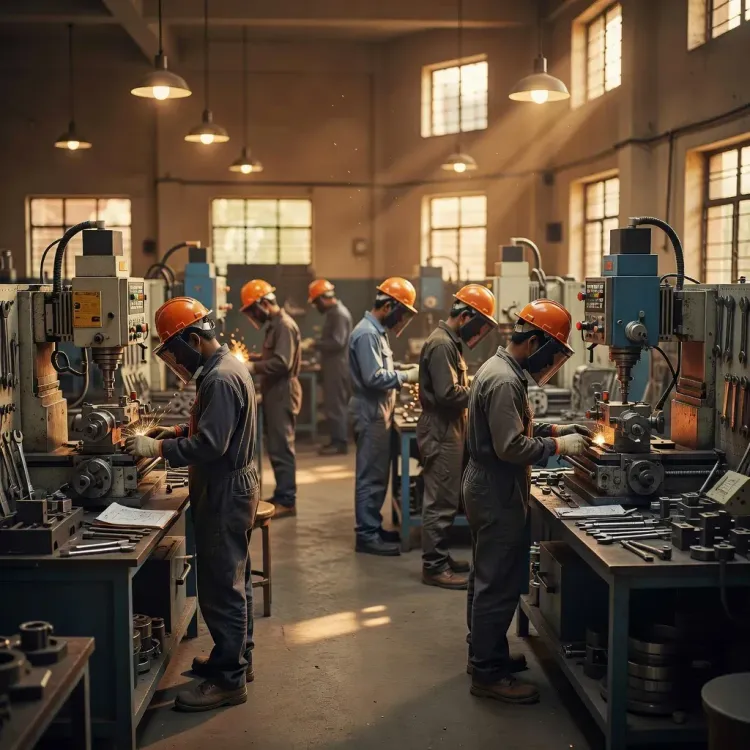
Thirty government Industrial Training Institutes in Chhattisgarh are set for a sweeping overhaul — and for the first time, their curriculum will be shaped directly by the industries that will eventually hire their graduates. Chhattisgarh Chief Minister Vishnu Deo Sai announced on Wednesday, 14 October 2026, that the state is advancing the modernisation of these ITIs under Prime Minister Narendra Modi's PM-SETU scheme, with a proposed investment of approximately ₹1,446 crore spread across six clusters.
Sharing the update on X, CM Sai wrote: 'बदलती तकनीक और उद्योगों की नई जरूरतों के साथ हमारे युवाओं का कौशल भी भविष्य के लिए तैयार हो' ('As technology and industry needs evolve, our youth must also be skilled for the future — that is the direction we are moving in.')
Bhilai Steel Plant and NMDC anchor the first MoUs
The loudest signal that this is more than paperwork: Bhilai Steel Plant and NMDC have already signed memoranda of understanding for the Durg and Bastar clusters. These are not token gestures. Bhilai Steel Plant, the SAIL-owned steel giant in Durg district, and NMDC, the federal mining PSU that dominates Bastar's iron-ore belt, represent the two most employment-intensive industries in the state. Tying ITI training directly to their operational requirements addresses a persistent problem: graduates skilled in trades that the local economy does not actually need.
The cluster model is the structural innovation here. Rather than upgrading ITIs one by one — a slow, piecemeal approach — the six-cluster architecture groups institutes by geography and industry, allowing shared infrastructure investment and a unified curriculum aligned to a specific industrial anchor. Training pipelines linked to Bastar's mining economy will look very different from those feeding Durg's steel corridor, and that differentiation is deliberate.
Where PM-SETU fits in India's skill-building arc
The push sits within a decade-long national effort to fix India's vocational training gap. The Skill India Mission, launched in 2015, and the Pradhan Mantri Kaushal Vikas Yojana (PMKVY) of the same year established the broad architecture of industry-linked short-term skilling. PM-SETU represents the next layer: structural modernisation of the ITI network itself, not just courses layered on top of ageing workshops.
For a resource-rich state like Chhattisgarh — steel, mining, and minerals form its industrial spine — the stakes are unusually high. Young people from districts such as Bastar have historically migrated out for work that their own backyard generates in abundance. If the cluster model delivers, it creates a feedback loop: local youth trained for local industry, local industry retaining local talent, and the state's tax base deepening as a result.
What Chhattisgarh's youth could gain — and what to watch
CM Sai framed the goal in terms of three interlinked outcomes: modern skills, better employment, and entrepreneurship opportunities — all within the state. The entrepreneurship dimension matters because anchor PSUs like Bhilai Steel Plant and NMDC also generate significant ancillary and vendor demand. A welder or fabricator trained to industry specification does not only become an employee; they become a potential contractor supplying back to the plant.
The test, however, will come in execution. Funding release timelines for the remaining four clusters, the speed of physical infrastructure upgrades, and — most importantly — actual placement and retention data from modernised ITIs will determine whether the ₹1,446 crore promise translates into measurable opportunity for Chhattisgarh's young workforce.
A skilled, self-reliant generation, the Chief Minister argued, is 'विकसित छत्तीसगढ़ की सबसे बड़ी शक्ति' — 'the greatest strength of a developed Chhattisgarh.' The wiring is now being laid. Whether the power actually flows will be the real story.
Point of View
Chhattisgarh is attempting to close a persistent gap between vocational training supply and industrial demand — a problem that has driven youth out-migration from resource-rich districts. The ₹1,446 crore investment also reflects the Centre-state alignment under the BJP's dual mandate, with PM-SETU serving as the federal vehicle and the state government driving implementation. Whether this translates into durable employment gains or becomes another scheme that stalls at the MoU stage will depend almost entirely on execution speed and whether PSU partners follow through on absorbing trained graduates.
NationPress
14 Oct 2026
Frequently Asked Questions
What is the PM-SETU scheme for ITIs?
PM-SETU is a central government scheme aimed at modernising Industrial Training Institutes by linking their training programmes directly with industry needs and upgrading physical infrastructure with significant investment.
How many ITIs will be modernised in Chhattisgarh and at what cost?
30 government ITIs in Chhattisgarh will be modernised with a proposed investment of approximately ₹1,446 crore , structured across six clusters.
Which companies have signed MoUs with Chhattisgarh for ITI training?
Bhilai Steel Plant (a SAIL plant in Durg district) and NMDC (National Mineral Development Corporation) have signed MoUs for the Durg and Bastar clusters respectively under the PM-SETU initiative.
What is the cluster model for ITI modernisation in Chhattisgarh?
The cluster model groups ITIs by geography and industrial anchor — six clusters in total — so that training infrastructure and curriculum are tailored to the specific industries dominant in each region, such as steel in Durg and mining in Bastar.
How does this initiative help Chhattisgarh youth?
By aligning ITI training with local industry demand from PSUs like Bhilai Steel Plant and NMDC, the scheme aims to provide Chhattisgarh youth with modern skills, local employment, and entrepreneurship opportunities within the state itself.