China's Bangladesh seaport ambitions hit a wall as Dhaka picks Western operators
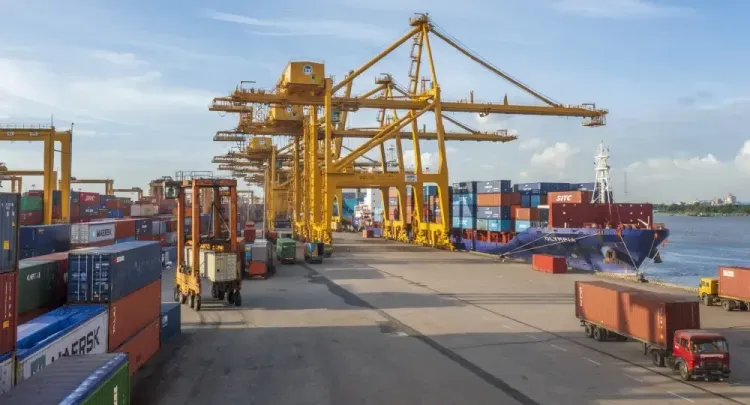
Synopsis
Bangladesh is quietly dismantling China's seaport ambitions — one contract at a time. By handing Chittagong's newest terminal to Denmark's Maersk, Cox's Bazar to Indonesia's PT Pertamina, and Patenga to a Saudi firm, Dhaka is building a Western-and-non-Chinese wall around its most strategic ports, even as Beijing retains a foothold at Mongla and Chittagong's industrial zones.
Key Takeaways
The Chittagong Port Authority signed a 30-year deal with Maersk Group of Denmark to build and operate the Ladia Container Terminal .
Saudi firm Red Sea Gateway Terminal has been operating the Patenga Container Terminal since June 2025 — the first foreign-operated terminal at Chittagong.
Indonesia's PT Pertamina Trans Kontinental was awarded a 5-year contract to operate the Cox's Bazar facility.
China retains a role at Mongla Port and the 800-acre Anwara industrial zone in Chittagong, but has been shut out of major terminal operations.
The multi-operator strategy dates to the Sheikh Hasina era, with Matarbari Port development backed by Japan Overseas Cooperation Agency loans signed in 2025 .
Analysts note Mongla is unsuitable as a naval hub, limiting China's 'string of pearls' ambitions in the Bay of Bengal .
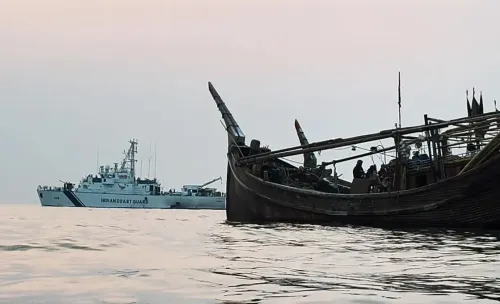
China's strategic push to dominate seaports in Bangladesh — a key gateway to the Bay of Bengal and the broader Indian Ocean — has run into a significant obstacle, with Dhaka systematically awarding major port contracts to Western and non-Chinese international operators, according to a report by the Bricklane News portal. The development signals a deliberate hedging strategy by Bangladesh's government to balance Chinese investment against strategic overreach.
The Maersk Deal and the Chittagong Pivot
In the latest and most consequential move, the Chittagong Port Authority has signed a 30-year agreement with Maersk Group of Denmark — one of the world's leading terminal operators — to design, finance, build, and operate the Ladia Container Terminal at Chittagong Port under a public-private-partnership framework. Chittagong is Bangladesh's primary trade hub, handling the bulk of the country's export and import cargo.
This is not an isolated decision. The Patenga Container Terminal, the first terminal at Chittagong to be operated by a foreign firm, is now run by Saudi firm Red Sea Gateway Terminal, which was commissioned for operations in June 2025. Additionally, a contract was awarded to state-owned Indonesian firm PT Pertamina Trans Kontinental to operate and maintain a facility at Cox's Bazar for five years.
China's Foothold: What It Has, What It Wants
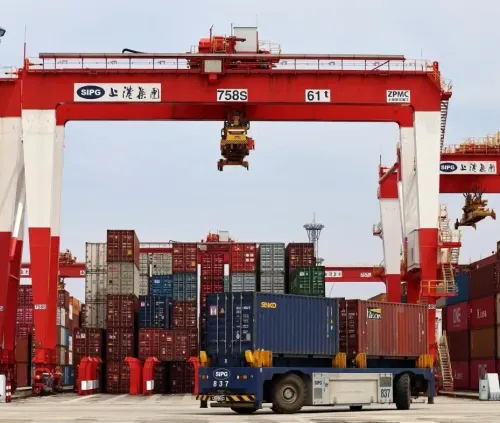
China's engagement in Bangladesh's port sector is not negligible. Chinese firms are currently supplying port machinery at Chittagong, building nearby industrial parks, and positioning themselves for upcoming terminal modernisation projects. The China Economic and Industrial Zone at Anwara in Chittagong — spanning 800 acres — is under construction under a government-to-government initiative, designed to attract export-oriented investment from China and other countries.
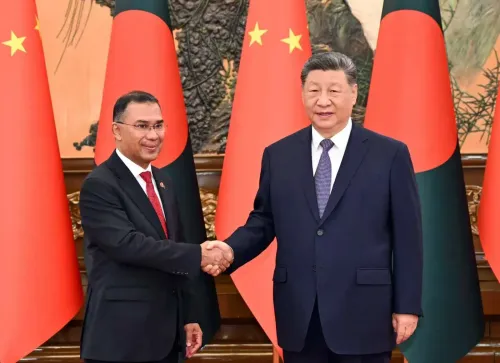
During Bangladesh Prime Minister Tarique Rahman's visit to Beijing in June 2025, it was reportedly agreed that China would develop Mongla Port, with two state-of-the-art container jetties to be built under a China-funded project to enhance the port's handling capacity. Mongla, located closer to Dhaka than Chittagong, serves as a significant hub for Bangladesh's garment industry trade.
Why Mongla Alone Is Not Enough for Beijing
Analysts quoted in the report point out that Mongla Port, situated approximately 100 km from the sea as a river port, is not suitable as a naval hub. For Beijing's broader ambitions — controlling key shipping lanes for global energy supplies and advancing its so-called 'string of pearls' strategy of encircling India with a network of friendly ports — Mongla falls short. At Chittagong, meanwhile, the growing presence of major global players backed by Western powers would make any Chinese naval positioning highly conspicuous.
Notably, the report observes that Beijing's commercial interests are still served: the Anwara industrial zone advances Chinese exports, and Mongla's development supports garment trade flows. But strategic leverage over Indian Ocean shipping routes remains out of reach, for now.
India's Sensitivities and the Hasina Precedent
The broader pattern of limiting Chinese access to Bangladeshi seaports predates the current Bangladesh Nationalist Party (BNP) government. Former Prime Minister Sheikh Hasina had reportedly taken note of India's concerns over increased Chinese commercial and technical presence at maritime assets in close strategic proximity to Indian territory, and declined to sanction the construction of a deep seaport at Sonadia with Chinese assistance.
Both the agreement for Matarbari Port — backed by concessional loans from the Japan Overseas Cooperation Agency (JOCA) — and the Ladia Container Terminal deal with Maersk were signed in 2025 under the interim government, reinforcing that the multi-operator strategy has bipartisan roots in Dhaka's port policy.
Dhaka's Calculated Balancing Act
The emerging picture, according to the report, is of a Bangladesh that is willing to absorb Chinese capital for export-sector development while carefully denying Beijing the operational and strategic toehold it seeks. With global port operators from Denmark, Saudi Arabia, and Indonesia now active at its terminals, Bangladesh appears to be internationalising its port management as a structural hedge against any single power's dominance.
How China responds to this pattern — and whether it recalibrates its Bangladesh engagement — will be closely watched across the region, particularly in New Delhi.
Point of View
The port that actually matters strategically. The irony is that this balancing act mirrors India's own broader foreign policy approach, suggesting Dhaka has internalised New Delhi's anxieties without formally aligning with them. The real question is whether China, which has shown patience in Sri Lanka and Myanmar, will accept this partial engagement or engineer leverage through economic dependency in the industrial zones it already controls.
NationPress
25 Oct 2026
Frequently Asked Questions
Why is China's seaport strategy in Bangladesh facing setbacks?
Bangladesh has awarded key port contracts at Chittagong and Cox's Bazar to non-Chinese international operators — including Denmark's Maersk Group, Saudi Arabia's Red Sea Gateway Terminal, and Indonesia's PT Pertamina Trans Kontinental — rather than Chinese firms. According to reports, Dhaka is deliberately diversifying port management to prevent any single power, including China, from gaining strategic operational control.
What is China's current role in Bangladesh's port sector?
China is developing Mongla Port with two new container jetties under a government-funded project agreed during PM Tarique Rahman's Beijing visit in June 2025. Chinese firms are also supplying port machinery at Chittagong and constructing the 800-acre China Economic and Industrial Zone at Anwara, Chittagong. However, China has been excluded from major terminal operations at Chittagong Port itself.
What is the 'string of pearls' strategy and how does Bangladesh fit in?
The 'string of pearls' refers to China's alleged strategy of establishing a network of friendly ports and bases across the Indian Ocean to control key shipping lanes. Analysts cited in the report note that Mongla Port, being a river port about 100 km from the sea, is not suitable as a naval hub, limiting China's strategic gains in Bangladesh despite its commercial foothold there.
What role did India's concerns play in Bangladesh's port decisions?
Former Prime Minister Sheikh Hasina reportedly factored in India's sensitivities over China's growing presence near strategically located Bangladeshi maritime assets, and declined to approve a deep seaport at Sonadia with Chinese assistance. The current BNP government has continued this pattern, with both the Matarbari Port (Japan-funded) and Ladia Terminal (Maersk) deals signed in 2025.
Which foreign firms are now operating terminals at Chittagong Port?
Saudi firm Red Sea Gateway Terminal operates the Patenga Container Terminal, commissioned in June 2025. Denmark's Maersk Group has signed a 30-year agreement for the Ladia Container Terminal. Indonesia's PT Pertamina Trans Kontinental holds a 5-year contract for the Cox's Bazar facility. These deals collectively shut out Chinese firms from terminal operations at Bangladesh's most strategically significant port.