China's overseas port projects fail to boost host-nation revenue or tax gains: Study
Synopsis
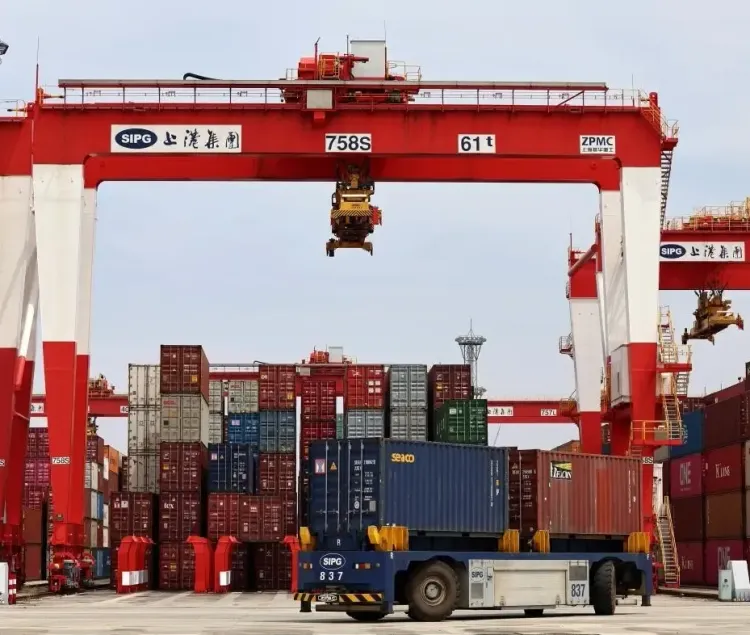
A new report challenges the narrative around China's overseas port ambitions: despite physical improvements at docks in Bangladesh, Myanmar and the Philippines, host nations saw no meaningful revenue, tax, or technology gains. Nearly half of studied projects diverged from original plans — and in some cases, Chinese port presence actively crowded out local industry.
Key Takeaways
A The Diplomat report found China's overseas port projects in South and Southeast Asia delivered operational gains but no significant revenue, tax, or technology transfer benefits for host nations.
Countries studied include Bangladesh , Myanmar , and the Philippines .
In 47% of cases examined, projects diverged from their original designs due to local defects, financing limits, or political factors.
Negative effects reportedly include crowding out of local maritime firms, net job losses, wider trade imbalances, and dependence on Chinese shipping networks .
The findings were published alongside China's 8th Silk Road Maritime International Cooperation Forum .
Anti-port sentiment in host countries could impede future Chinese infrastructure projects and limit bilateral relations.
A new report has found that China's expanding role in overseas port projects has delivered measurable improvements in capacity and cargo turnaround times, but has largely failed to translate into broader economic gains — and in several cases has produced negative side-effects — for host nations across Southeast Asia and South Asia.
What the Report Found
The findings, published by The Diplomat, examined China-linked port developments in countries including Bangladesh, Myanmar, and the Philippines. Researchers found no significant revenue or tax boosts attributable to Chinese port involvement in these markets. Equally absent, according to the report, were meaningful technology transfer, the growth of associated special economic zones (SEZs), or 'dramatically positive trade pattern changes' in the four regions studied.
Port-level improvements did occur — including increased handling capacity, faster vessel turnaround times, higher global port rankings, and some local job creation — but these gains reportedly did not scale up to regional or national economic impact.
Negative Side-Effects Documented
The report flagged a range of potential adverse outcomes linked to Chinese port presence. These reportedly include the crowding out of local maritime firms, net job losses at ports, accelerated deindustrialisation, widening trade imbalances, and growing dependency on Chinese shipping networks.
'China's port presence may be associated with negative outcomes, too. These may include the crowding out of local maritime firms, the loss of jobs at ports, accelerated deindustrialization, greater trade imbalances, and dependence on Chinese shipping networks,' the report stated.
Projects Frequently Diverge From Original Plans
A particularly striking data point from the study: in 47 per cent of the Southeast and South Asian cases examined, projects diverged from their original designs. Reasons cited include local port defects, domestic political pressures, host-country financing constraints, contractor limitations, and opposition from third parties.
The report cautioned that Chinese port involvement does not always reach fruition, and even when projects are completed, 'deliverables may not match desires.' This divergence between promise and delivery has reportedly contributed to rising anti-port sentiment in some host countries — sentiments that risk impeding project initiation, development, and final outcomes.
Geopolitical Undertones
The report's release coincided with China's 8th Silk Road Maritime International Cooperation Forum, which kept Chinese overseas port ambitions in the global spotlight. Analysts note that the gap between projected and actual benefits could limit deeper bilateral ties between host nations and Beijing, or alternatively serve to blunt adverse third-party foreign policy pressures from countries wary of Chinese maritime expansion.
This comes amid sustained global scrutiny of China's Belt and Road Initiative (BRI), under which many of these port projects were conceived, and growing debate about the terms and real-world outcomes of Chinese infrastructure financing across the developing world.
What Happens Next
The findings are likely to add fresh momentum to calls in South and Southeast Asian capitals for greater transparency in infrastructure deals with China, and for clearer clauses on technology transfer and employment outcomes. How host governments respond — and whether Beijing adjusts its engagement model — will shape the next phase of Chinese maritime investment across the region.
Point of View
But the economic multiplier — jobs, tax revenue, technology spillover — stays largely on paper. The 47% project-divergence figure is damning, suggesting Chinese port deals are as much about geopolitical positioning as commercial viability. For India, watching Chinese maritime footprints expand in Bangladesh and Myanmar, the findings offer both a warning and a strategic opening: countries disillusioned with BRI deliverables may be more receptive to alternative connectivity partnerships. The question is whether New Delhi and like-minded partners can move fast enough to fill the credibility gap.
NationPress
17 Sept 2026
Frequently Asked Questions
What did the report on China's overseas port projects find?
The Diplomat report found that Chinese-linked port projects in South and Southeast Asia improved physical port metrics — capacity, turnaround times and rankings — but failed to generate meaningful revenue boosts, tax gains, technology transfer, or broader trade pattern improvements for host nations. In some cases, Chinese port involvement was linked to negative outcomes including deindustrialisation and dependency on Chinese shipping networks.
Which countries were studied in the report?
The report highlighted Bangladesh, Myanmar, and the Philippines as key examples of Chinese port involvement that did not deliver broader economic promises. It drew on cases across South and Southeast Asia more broadly.
Why do so many Chinese port projects diverge from original plans?
According to the report, 47% of studied Southeast and South Asian projects diverged from their original designs. Reasons include local port defects, domestic political pressures, host-country financing constraints, contractor capacity limitations, and opposition from third parties.
What are the negative side-effects of Chinese port investments identified in the report?
The report identified several potential downsides: crowding out of local maritime firms, net job losses at ports, accelerated deindustrialisation, greater trade imbalances, and increased dependence on Chinese shipping networks. These effects have reportedly fuelled anti-port sentiment in some host countries.
How does this relate to China's Belt and Road Initiative?
Many of the port projects examined fall under China's Belt and Road Initiative (BRI), which has faced sustained global scrutiny over financing terms and real-world economic outcomes. The report's findings add to a growing body of evidence questioning whether BRI infrastructure projects deliver their promised developmental dividends to host nations.