Wang Yi meets PM Modi in New Delhi, pushes India-China cooperation
Synopsis
Chinese Foreign Minister Wang Yi secured a meeting with PM Modi in New Delhi — a signal that Beijing is actively pushing to consolidate the diplomatic recovery in India-China ties. With border normalisation underway since October 2024, Wang's pitch to deepen cooperation and cement India's BRICS chairmanship role reveals how much China wants to shape the next chapter of this relationship on its own terms.
Key Takeaways
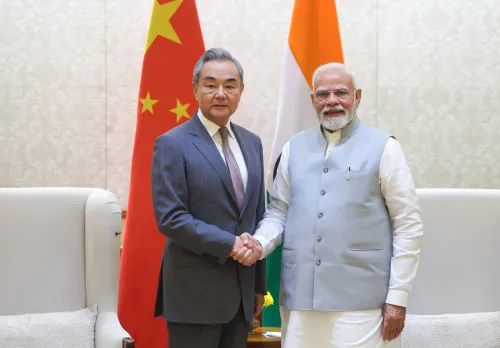
Wang Yi met PM Narendra Modi in New Delhi on 24 June , pushing for deeper India-China cooperation.
Beijing reaffirmed support for India's rotating BRICS chairmanship and pledged to advance BRICS cooperation jointly.
Wang called for placing the India-China border issue in 'an appropriate position' so it does not derail overall bilateral relations.
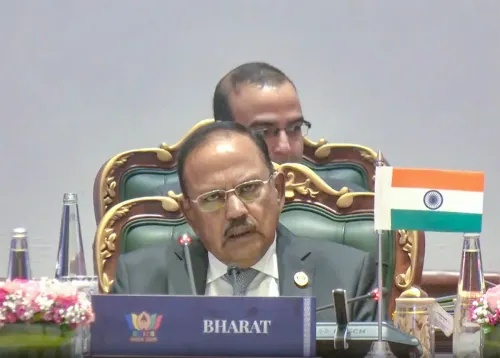
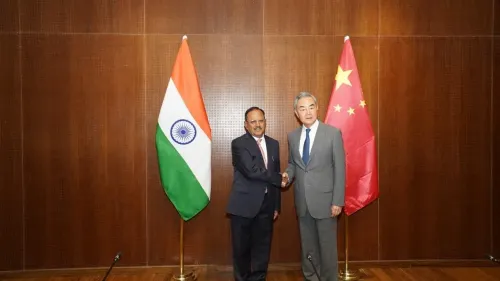
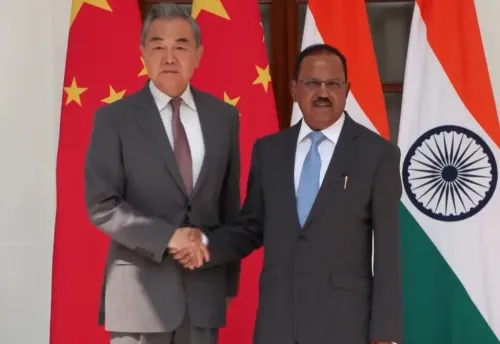
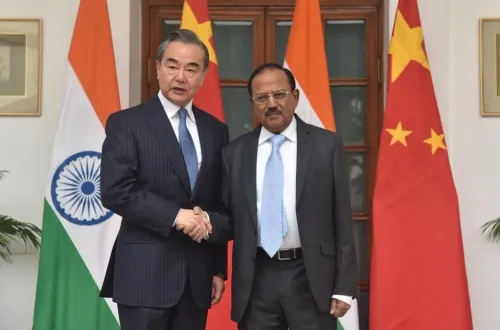
A separate meeting between Wang Yi and NSA Ajit Doval on the sidelines of the BRICS National Security Advisors Meeting also noted progress towards 'gradual normalisation.' Foreign Secretary Vikram Misri and Ambassador Xu Feihong were present during the Modi-Wang Yi talks.
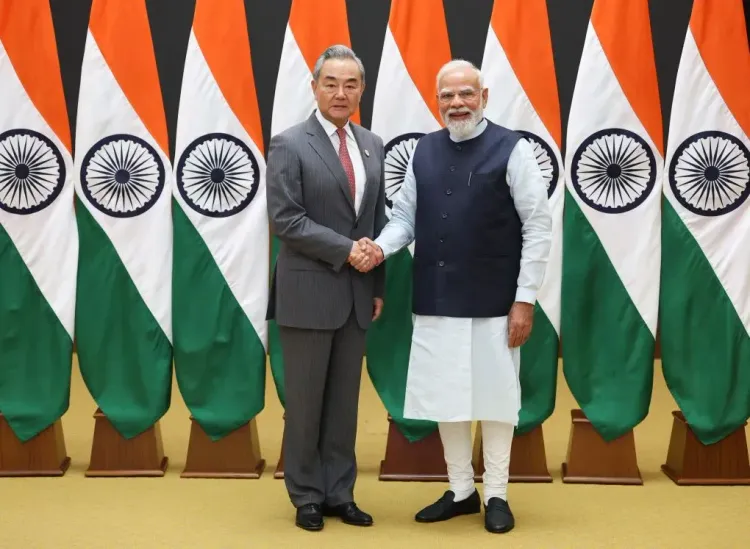
Chinese Foreign Minister Wang Yi met Prime Minister Narendra Modi in New Delhi on 24 June, with Beijing signalling its readiness to deepen bilateral ties and implement consensus reached between the two nations' leaders. The meeting, held against the backdrop of gradual normalisation in India-China relations, covered trade cooperation, border management, and the two countries' shared role in the Global South.
Key Developments
During the talks, Wang conveyed China's intent to 'continuously enhance trust and dispel doubts, properly handle sensitive issues, and maintain the positive momentum of bilateral ties,' according to a post shared by China's Ambassador to India, Xu Feihong, on X. Wang also reaffirmed China's support for India's role as the rotating chair of BRICS, pledging to work together to advance the bloc's cooperation agenda.
Wang described India and China as 'the two largest developing countries and important members of the Global South,' arguing that both nations should 'play an exemplary role in promoting solidarity and self-reliance' among developing economies. He further urged the two sides to view bilateral relations 'from a long-term perspective' and to pursue cooperation 'from a global perspective.'
Border Issue and Sensitive Matters
On the contentious border question, Wang said it was 'imperative to respect each other's core interests, properly handle sensitive issues, and place the China-India border issue in an appropriate position, so that it doesn't affect the overall situation of bilateral relations,' as quoted in Ambassador Xu's post. This framing — placing the border dispute in a compartmentalised context — reflects Beijing's consistent diplomatic posture since the 2020 Galwan Valley clash, which had sent ties into a prolonged freeze.
Wang also called on both sides to 'actively guide all sectors of society to form a correct understanding' and build a 'solid public opinion and social foundation for improving bilateral relations' — a signal that Beijing is attentive to domestic sentiment in both countries shaping the relationship.
Wang Yi-Doval Meeting on BRICS Sidelines
A day earlier, on Monday, Wang held a separate meeting with National Security Advisor Ajit Doval on the sidelines of the BRICS National Security Advisors Meeting. Both sides reviewed recent developments in bilateral relations and acknowledged progress towards 'gradual normalisation.' Wang reiterated China's support for India's BRICS chairmanship during that session as well.
Officials Present
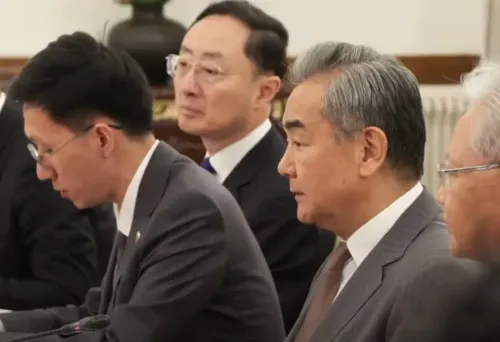
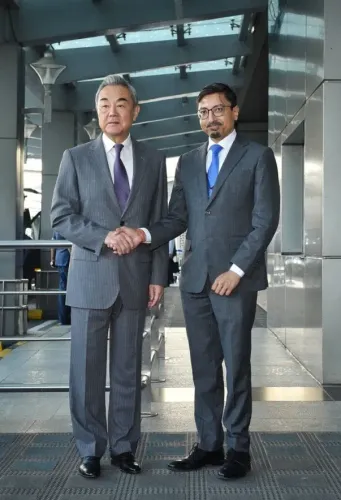
Foreign Secretary Vikram Misri, Ambassador Xu Feihong, and other senior officials were present during the Modi-Wang Yi meeting. The Indian government had not released a separate official readout at the time of reporting; details cited here are drawn from the Chinese Ambassador's post on X.
What This Signals
The meeting marks one of the highest-level in-person diplomatic engagements between India and China since ties began recovering after the October 2024 agreement on border patrolling in eastern Ladakh. Both nations have since moved to restore direct flights, resume visa services, and revive stalled business ties. Wang's visit — and his access to the Prime Minister — suggests Beijing is keen to lock in diplomatic momentum ahead of upcoming multilateral summits where both nations will share the stage.
Point of View
' which in practice means subordinated to the broader economic and multilateral agenda. India has historically resisted this sequencing, insisting that normalisation on the border must precede normalisation in trade and diplomacy. Whether New Delhi is quietly accepting Beijing's framing — or simply managing optics ahead of BRICS — is the question that mainstream coverage of this visit has so far left unanswered.
NationPress
24 Jun 2026
Frequently Asked Questions
Why did Chinese FM Wang Yi meet PM Modi in New Delhi?
Wang Yi visited New Delhi to advance the normalisation of India-China bilateral relations, implement consensus reached between the two countries' leaders, and reaffirm China's support for India's BRICS chairmanship. The visit is one of the highest-level diplomatic engagements between the two nations since ties began recovering after the October 2024 border patrolling agreement.
What did Wang Yi say about the India-China border issue?
Wang said it was 'imperative to respect each other's core interests, properly handle sensitive issues, and place the China-India border issue in an appropriate position' so it does not affect the overall bilateral relationship. He urged both sides to build public understanding that supports improving ties.
Did Wang Yi meet any other Indian officials during his visit?
Yes. On the day before his meeting with PM Modi, Wang Yi met National Security Advisor Ajit Doval on the sidelines of the BRICS National Security Advisors Meeting. Both sides reviewed bilateral developments and acknowledged progress towards gradual normalisation. Foreign Secretary Vikram Misri was also present at the Modi-Wang Yi talks.
What role does BRICS play in the current India-China engagement?
China has expressed explicit support for India fulfilling its responsibilities as the rotating BRICS chair and pledged to work with India to promote progress within the BRICS framework. Wang Yi framed India and China as co-anchors of the Global South, arguing both nations should lead by example on solidarity and self-reliance.
What is the broader context of Wang Yi's New Delhi visit?
The visit comes amid a gradual thaw in India-China relations following the October 2024 agreement on border patrolling in eastern Ladakh. Since then, both countries have moved to restore direct flights, resume visa services, and revive stalled business links. Wang's meeting with the Prime Minister signals Beijing's intent to accelerate that momentum.