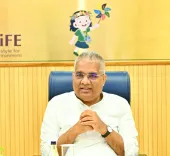
Chirag Paswan: PMFME Will Turn Youth Into Job Creators
Synopsis
Union Food Processing Minister Chirag Paswan, responding to a youth Q&A series, said his ministry will build first-generation entrepreneurs through the PMFME scheme — offering small-scale credit, value addition, and direct market linkages to micro food processing units.
Key Takeaways
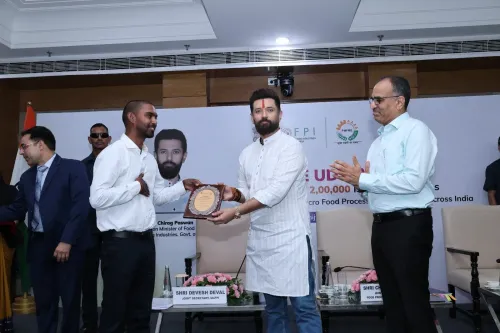
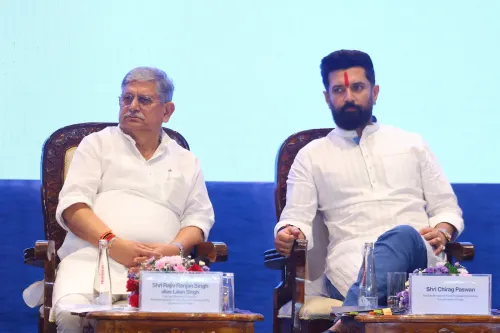
Chirag Paswan , Union Minister of Food Processing Industries, on 29 September 2026 publicly backed the PMFME scheme as the government's answer to youth unemployment.
The PM Formalisation of Micro Food Processing Enterprises (PMFME) scheme was launched in June 2020 under the Atmanirbhar Bharat package.
PMFME provides credit-linked subsidies to micro food processing units with an emphasis on value addition and market access.
Paswan specifically invoked 'first-generation entrepreneurs' — those without a business inheritance or collateral history — as the primary target group.
The minister's framing shifts the youth employment debate from job-seeking to job creation through micro-enterprise formalisation.
Food processing is highlighted as a strategic lever to capture agricultural value that currently leaks out of the rural economy.
The question every young Indian is asking — why find a job when you could create one? On Tuesday, 29 September 2026, Union Food Processing Minister Chirag Paswan answered that challenge head-on, pointing to the PM Formalisation of Micro Food Processing Enterprises (PMFME) scheme as his ministry's flagship tool for turning first-generation entrepreneurs into market players, not job-seekers.
Posting under the #YouthBoleToh hashtag — part of an ongoing public dialogue series — Paswan framed the exchange as a direct Q&A: 'Sawaal — yuva job seeker na ban karke job giver bane, iske liye aapki sarkar kya karegi?' ('Question — what will your government do so that youth become job givers, not job seekers?'). His answer was unambiguous: 'We will prepare first-generation entrepreneurs.'What PMFME Actually Offers a First-Generation Entrepreneur
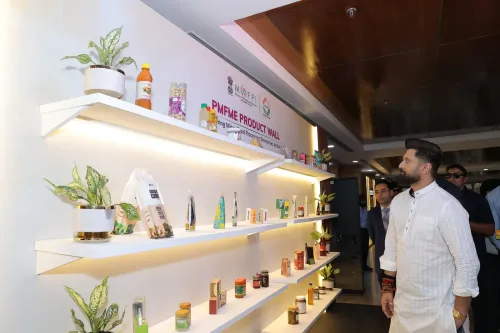
Paswan's pitch rests on a specific promise: small capital outlay, small government support, but a transformative boost in what that support delivers. The PMFME scheme, launched in June 2020 under the Atmanirbhar Bharat package, provides credit-linked subsidies to micro food processing units — the kind of enterprise a first-generation entrepreneur with limited savings could realistically start.
The minister stressed the scheme's two-lever approach: value addition on whatever a small producer already makes, combined with market linkages that the government actively facilitates. In plain terms, a young person pressing mustard oil or making pickles in a rural kitchen can access processing upgrades and a route to formal retail — closing the gap between production and profit that kills most micro ventures before they scale.
First-Generation Entrepreneurs: The Hardest Constituency to Reach
The phrase 'first-generation entrepreneur' carries real weight in Indian policy. It signals someone with no family business inheritance, no established network, no collateral history — precisely the cohort most likely to default to wage employment. Chirag Paswan's ministry is positioning PMFME as the bridge: low-cost entry, structured hand-holding on formalisation, and an exit from the informal, unprotected food micro-sector into something scalable.
Food processing is a natural entry point for this bet. India's agricultural surplus routinely outpaces cold-chain and processing capacity, meaning value destruction at the farm level is structural. Every micro unit that adds even one processing step — drying, packaging, branding — captures margin that previously leaked out of the rural economy entirely.
The Bigger Ambition Behind a Single Scheme
Paswan's framing is deliberate. By answering a youth employment question not with a job-placement figure but with an entrepreneurship scheme, he is signalling a political and policy bet: that demand-side job creation — millions of micro employers, not a handful of large factories — is how India's demographic dividend gets cashed. The #YouthBoleToh platform itself suggests the ministry is actively curating a youth-facing narrative around food processing, a sector not traditionally seen as aspirational.
Whether PMFME can deliver at the scale the ambition demands — beneficiary numbers and budget utilisation will be the real scorecard — is the question that will follow this moment well beyond a social media Q&A.
Point of View
Named scheme — PMFME — rather than a vague promise, he tries to shift the debate from rhetoric to implementation record. The food processing sector's structural role in rural value chains gives the argument genuine policy legs, but the scheme's actual beneficiary reach and credit disbursal rates will ultimately determine whether this is a convincing narrative or a convenient one. The broader bet — that millions of micro-entrepreneurs can absorb India's youth surplus — reflects a supply-side optimism that successive governments have shared but none has yet fully validated.
NationPress
29 Sept 2026
Frequently Asked Questions
What is the PMFME scheme and who can apply?
The PM Formalisation of Micro Food Processing Enterprises (PMFME) scheme, launched in June 2020 under Atmanirbhar Bharat, provides credit-linked subsidies and marketing support to micro food processing units. Individual entrepreneurs, self-help groups, and farmer producer organisations engaged in food processing can apply through the scheme's portal.
What did Chirag Paswan say about youth employment on 29 September 2026?
Chirag Paswan said his government's goal is to create 'first-generation entrepreneurs,' not just job-seekers, and cited the PMFME scheme as the primary tool — offering low-cost support, value addition assistance, and direct market linkages for small food processing units.
How does PMFME help first-generation entrepreneurs?
PMFME reduces the barrier to entry by providing a credit-linked subsidy that does not require large collateral, while also facilitating value addition on the entrepreneur's existing produce and connecting them to formal markets — addressing the two biggest gaps for first-time business owners.
What is the YouthBoleToh initiative that Chirag Paswan referenced?
#YouthBoleToh (meaning 'When Youth Speak') is a public Q&A engagement series under which Chirag Paswan has been fielding questions on policy; the hashtag and 'Chapter 2' tag suggest it is an ongoing, multi-session initiative rather than a one-time event.
Why is the Ministry of Food Processing focusing on micro enterprises for youth jobs?
India's food processing sector sits at the intersection of agricultural surplus and employment potential. Micro enterprises require relatively low capital, can be set up in rural areas, and generate livelihoods close to the farm — making them a practical entry point for first-generation entrepreneurs with limited resources.