Chirag Paswan hails Lok Sabha passage of exam anti-cheating bill
Synopsis
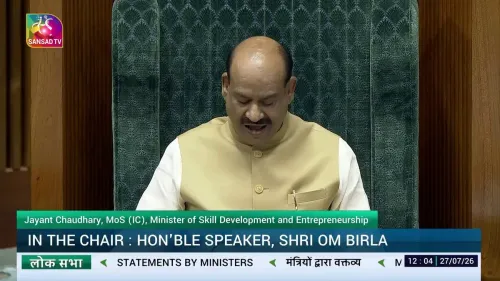
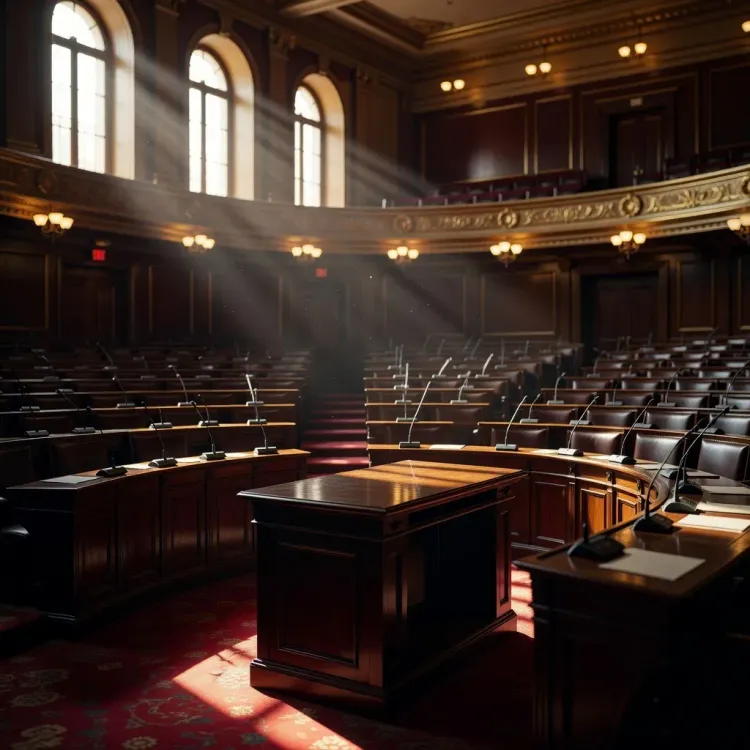
The Lok Sabha passed the Public Examinations (Prevention of Unfair Means) Amendment Bill, 2026 on 29 July. Union Minister Chirag Paswan hailed it as a historic win for crores of students, promising stricter action against paper leaks, faster investigations, and speedier justice under the NDA government's push to restore exam credibility.
Key Takeaways
The Lok Sabha passed the Public Examinations (Prevention of Unfair Means) Amendment Bill, 2026 on 29 July 2026 .
The bill amends the Public Examinations (Prevention of Unfair Means) Act, 2024 , which first criminalised organised paper leaks in India.
Union Minister Chirag Paswan called the passage a 'historic victory of the trust of crores of youth and students.' The amendment targets stricter penalties, expedited investigations, and faster trials against exam fraud syndicates.
The bill must clear the Rajya Sabha and receive presidential assent before its provisions take effect.
The legislative push follows repeated high-profile exam leaks, including in NEET-UG , that triggered nationwide outrage since 2024.
Millions of students who have watched their hard work undone by paper leaks and organised exam fraud got a legislative answer on Wednesday, 29 July 2026, when the Lok Sabha passed the Public Examinations (Prevention of Unfair Means) Amendment Bill, 2026 — and Union Food Processing Minister Chirag Paswan called it a historic victory for the trust of crores of young Indians.
Paswan, posting in Hindi, framed the bill's passage not as routine legislation but as a moral commitment: 'यह केवल एक कानून नहीं, बल्कि उन लाखों मेहनती छात्रों के प्रति हमारी प्रतिबद्धता का प्रतीक है' — 'This is not merely a law, but a symbol of our commitment to those millions of hardworking students who want to move ahead on the strength of their effort, talent, and integrity.'
From the 2024 Act to the 2026 Amendment
The bill builds on the Public Examinations (Prevention of Unfair Means) Act, 2024, which first criminalised organised paper leaks and malpractice in recruitment and entrance examinations. That law emerged from a wave of public outrage after high-profile leaks in tests including NEET-UG and multiple state-level recruitment exams exposed the scale of syndicates operating across the country.
The 2026 amendment is designed to sharpen those teeth — targeting stricter criminal penalties, faster investigation mechanisms, and swifter trials to dismantle the organised networks that treat exam fraud as a business. Paswan specifically cited 'stringent action, expedited investigation, and speedy justice' against organised crimes like paper leaks as the bill's core promise.
Why the NDA is doubling down on exam integrity
The legislative push is not incidental. Since 2024, the NDA government has faced sustained political pressure over repeated examination failures, with opposition parties and student groups demanding accountability. Each new leak eroded confidence in the very system that millions of aspirants — from rural towns to metro coaching centres — stake years of preparation on. The 2026 amendment is the administration's answer: a signal that the 2024 law was a floor, not a ceiling.
Paswan, as a senior NDA coalition partner and president of the Lok Janshakti Party (Ram Vilas), used the moment to reinforce the alliance's commitment to youth: 'Their hard work will not be tampered with at any cost,' he wrote — a line aimed squarely at the aspirant demographic that is both politically significant and deeply invested in credible public examinations.
What comes next for the bill
The bill now awaits passage in the Rajya Sabha and subsequent presidential assent before its enhanced provisions take legal effect. Once notified, the key test will be implementation — whether centralised investigation agencies move swiftly against syndicate operators and whether courts are equipped to deliver the fast-track trials the law envisions.
For now, the lower house has spoken. The harder task is making the law felt on the ground, in every examination hall where a student sits down with nothing but preparation and the expectation of a fair fight.
Point of View
Not a one-off legislative fix. By building on the 2024 Act rather than replacing it, the administration is constructing a layered legal architecture — a pattern that reflects both genuine policy intent and a calculated appeal to the aspirant-class voter base. The real test of this law, as with its predecessor, will be enforcement: whether investigative agencies and fast-track courts can actually dismantle the syndicates that have so far operated with near-impunity. Chirag Paswan's vocal endorsement also underscores the LJP (Ram Vilas)'s consistent positioning as a champion of youth and meritocracy within the coalition.
NationPress
29 Jul 2026
Frequently Asked Questions
What is the Public Examinations (Prevention of Unfair Means) Amendment Bill, 2026?
It is a bill passed by the Lok Sabha on 29 July 2026 that amends the 2024 law to strengthen penalties, investigation mechanisms, and trial speed for offences like paper leaks in public examinations.
What was the original Public Examinations (Prevention of Unfair Means) Act, 2024?
The 2024 Act was India's first dedicated law criminalising organised paper leaks and malpractice in recruitment and entrance examinations, enacted after high-profile exam fraud cases including NEET-UG.
Why did Chirag Paswan comment on this bill if he is the Food Processing Minister?
As a senior NDA coalition partner and national president of Lok Janshakti Party (Ram Vilas), Paswan regularly comments on major legislative milestones across portfolios, particularly those affecting youth.
Is the exam anti-cheat bill now a law?
Not yet. After Lok Sabha passage, the bill must be approved by the Rajya Sabha and receive presidential assent before it becomes enforceable law.
What triggered India's push for stricter exam fraud laws?
Repeated leaks in high-stakes exams such as NEET-UG and various state recruitment tests since 2024 exposed large organised syndicates and sparked nationwide protests, pushing Parliament to legislate.