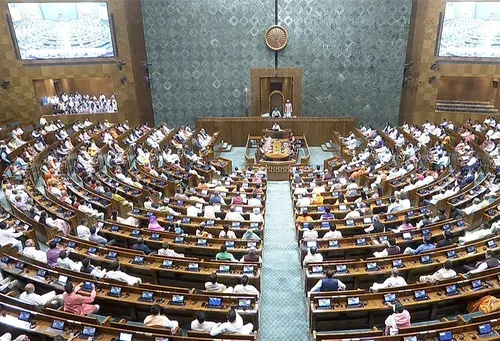
Anurag Thakur: Lok Sabha passes paper leak amendment bill

Synopsis
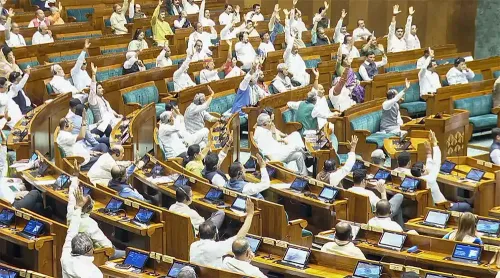
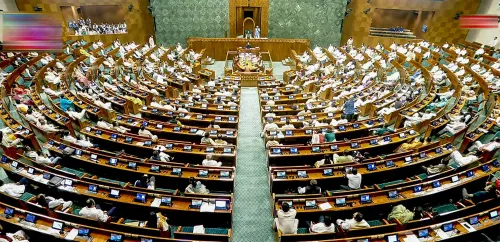
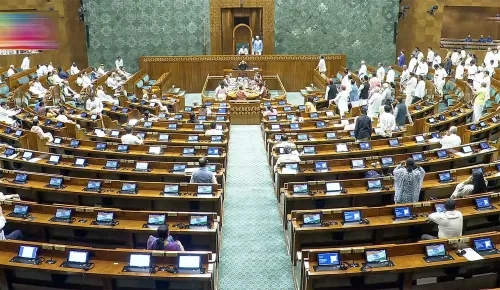
Lok Sabha passed the Public Examinations (Prevention of Unfair Means) Amendment Bill, 2026 on July 29, prescribing a 10-year prison term and ₹10 crore fine for paper leaks, along with special fast-track courts. BJP MP Anurag Thakur called it a decisive strike against the 'paper leak mafia.'
Key Takeaways
Lok Sabha passed the Public Examinations (Prevention of Unfair Means) Amendment Bill, 2026 on July 29, 2026 .
The bill prescribes a 10-year jail term and a fine of up to ₹10 crore for paper leak offences.
It mandates the creation of special fast-track courts to expedite trials in exam fraud cases.
The bill amends the parent Public Examinations (Prevention of Unfair Means) Act, 2024 .
The bill must still clear the Rajya Sabha before it can become law.
BJP MP Anurag Thakur described the legislation as aimed at crushing the 'paper leak mafia' and protecting youth aspirations.
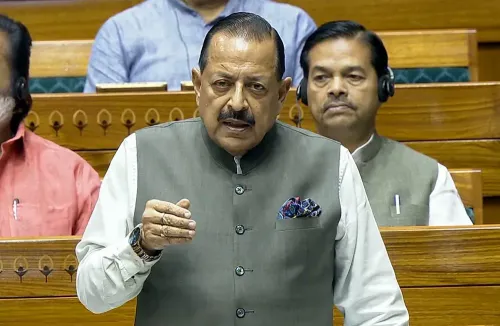
A decade in prison and a ₹10 crore fine — that is what awaits anyone caught leaking exam papers under a sweeping new law that cleared Lok Sabha on Wednesday, July 29, 2026. BJP MP Anurag Thakur, the former Union Minister who has long championed youth affairs, hailed the passage of the Public Examinations (Prevention of Unfair Means) Amendment Bill, 2026 as a decisive blow against what he called the 'paper leak mafia.'
What the amendment actually does
The bill amends the Public Examinations (Prevention of Unfair Means) Act, 2024 — itself a landmark piece of legislation Parliament had passed to bring federal oversight to exam fraud. The 2026 amendment sharpens the teeth: a mandatory 10-year jail term and a fine of up to ₹10 crore for those convicted of leaking question papers. Crucially, it mandates the creation of special fast-track courts to try such cases, addressing the chronic delay that has historically allowed accused paper-leak networks to run free while aggrieved students waited years for justice.
Thakur framed the legislation in unambiguous terms on X: 'पेपर लीक माफिया को मिट्टी में मिलाने के लिए' — 'to grind the paper leak mafia into the dust.' His post added that the Modi government prioritises 'solutions over hysteria' (उन्माद नहीं, समाधान), a pointed contrast to the political firestorm that erupted around high-profile exam controversies in recent years.
Why this moment matters for India's youth
Competitive examinations — from railway recruitment to medical entrance — are the single most consequential gateway for tens of millions of Indian young people each year. A leaked paper does not just advantage a handful of cheats; it erases months of preparation for hundreds of thousands of honest aspirants and corrodes faith in meritocracy itself. Successive governments have faced this crisis; what has changed is the legislative architecture now being built around it.
The 2024 parent act established the legal framework. The 2026 amendment escalates the deterrent and, perhaps more importantly, creates a dedicated judicial pipeline so that cases do not vanish into the general court backlog. Fast-track courts have proven effective in other sensitive domains; applying the model to exam fraud signals that Parliament is treating the issue with comparable seriousness.
Rajya Sabha and rollout: the next test
The bill's passage in Lok Sabha is the first hurdle cleared. It must now pass the Rajya Sabha before receiving presidential assent and becoming law. The government will then need to notify the special fast-track courts — a step that depends on coordination with the judiciary and state governments. How quickly that machinery is assembled will determine whether the law becomes a genuine deterrent or another statute that looks tough on paper.
For now, the message from the lower house is clear: tampering with India's exams carries consequences that can define a lifetime — the accused's, not just the student's.
Point of View
And the 2026 bill converts it into a high-stakes deterrent. By attaching fast-track courts to the penalty regime, the government is attempting to close the enforcement gap that has historically neutered anti-exam-fraud laws. Anurag Thakur's framing — 'solutions over hysteria' — is a calculated political signal, positioning the BJP as the party that acts rather than protests on an issue that resonates deeply with aspirational, exam-going India. The real test will be Rajya Sabha passage and, more critically, how swiftly the notified courts become operational.
NationPress
29 Jul 2026
Frequently Asked Questions
What is the Public Examinations Amendment Bill 2026?
It is a bill passed by Lok Sabha on July 29, 2026 that amends the Public Examinations (Prevention of Unfair Means) Act, 2024 to introduce a 10-year jail term, a ₹10 crore fine, and special fast-track courts for paper leak offences in public examinations.
What is the punishment for paper leak under the new bill?
Under the 2026 amendment bill, anyone convicted of leaking exam papers faces up to 10 years in prison and a fine of up to ₹10 crore.
Has the paper leak bill been passed in Rajya Sabha?
As of July 29, 2026, the bill has cleared Lok Sabha. It still needs to be passed by the Rajya Sabha and receive presidential assent before becoming law.
What are the fast-track courts proposed in the exam fraud bill?
The bill mandates the creation of special fast-track courts dedicated to trying paper leak and exam fraud cases, aimed at ensuring swift justice rather than prolonged delays in regular courts.
What did Anurag Thakur say about the paper leak bill?
BJP MP Anurag Thakur said the bill was designed to 'grind the paper leak mafia into the dust' and that the Modi government prioritises solutions over hysteria when it comes to protecting the futures of India's youth.