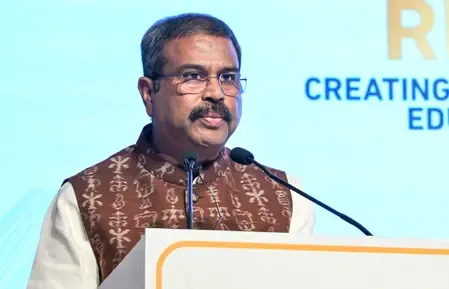
Giriraj Singh hails Delhi as world's most affordable student city
Synopsis
Union Textiles Minister Giriraj Singh highlighted the QS Best Student Cities 2027 ranking that reportedly places Delhi as the world's most affordable city for students, tying it to NEP 2020 reforms and the Study in India campaign under the Viksit Bharat 2047 vision.
Key Takeaways
Union Textiles Minister Giriraj Singh posted on 29 July 2026 citing the QS Best Student Cities 2027 report, which reportedly ranks Delhi as the world's most affordable city for students.
Singh linked the ranking to the National Education Policy 2020 , approved by the Union Cabinet in July 2020 , which replaced the 1986 policy framework.
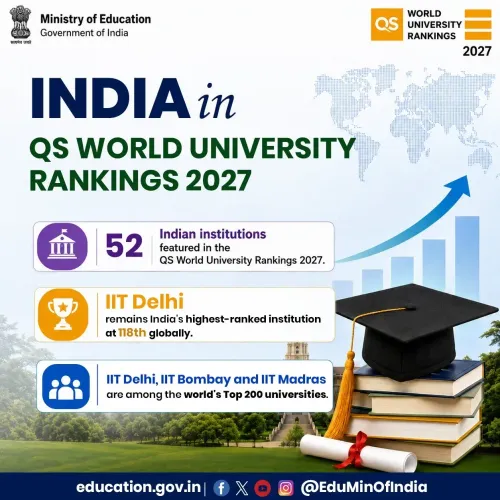
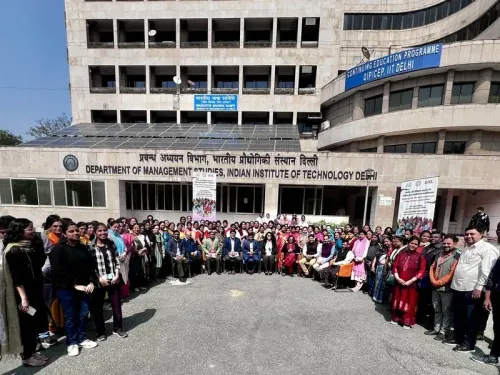
Delhi hosts multiple central universities, IITs , and research institutions, making it one of India's largest higher-education hubs.
The Study in India campaign runs alongside NEP 2020 to attract international students by marketing India's cost advantage over Western destinations.
The post is part of a consistent government pattern of tying city-level or institutional rankings to the Viksit Bharat 2047 national development vision.
A global ranking has handed India a rare, concrete bragging right in higher education — and Union Textiles Minister Giriraj Singh was quick to frame it as proof of a larger national ambition. On Wednesday, 29 July 2026, the senior BJP leader cited the QS Best Student Cities 2027 report, which reportedly positions Delhi as the world's most affordable city for students, calling it a signal that India is carving a new identity in quality, accessible education.
In his post, Singh wrote: 'शिक्षा के सपनों को साकार करने की राह अब और आसान हो रही है' — 'The path to realising dreams of education is now becoming easier.' He linked Delhi's ranking directly to the government's push under #NEP2020 and the Study in India campaign, framing the city's affordability credentials as a downstream result of sustained policy effort.
Delhi's education ecosystem and the affordability edge
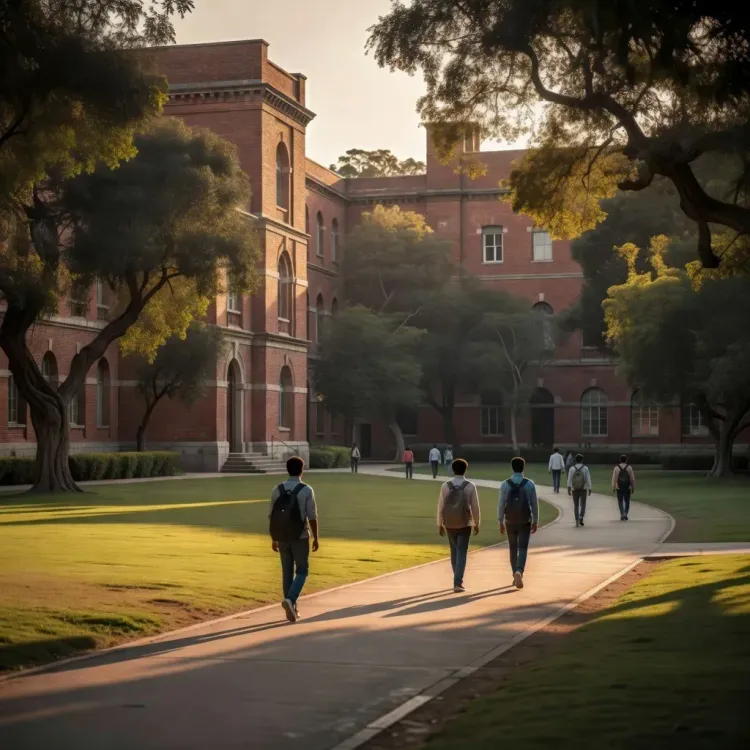
Delhi hosts a dense cluster of central universities, IITs, and research institutions that serve millions of domestic students and a growing cohort of international enrollees. Affordable living costs, subsidised public universities, and metro connectivity have long made the capital a magnet for students from across India and neighbouring countries. A top global affordability ranking, if confirmed, would give that reputation an internationally legible stamp.
NEP 2020 and the 'Study in India' arc
The National Education Policy 2020, approved by the Union Cabinet in July 2020, replaced a policy framework that had stood since 1986. It introduced multidisciplinary learning, flexible credit structures, and an explicit goal of raising India's share of global student mobility. The Study in India campaign, running alongside NEP rollout, targets inbound international students by marketing India's cost advantage over Western destinations.
Singh's post threads these two strands together — city-level affordability data as validation of national-level policy design. It is a line of messaging the government has used consistently since 2020: connect every ranking or metric to the Viksit Bharat 2047 vision of a skilled, globally competitive workforce.
The affordability argument matters now more than ever. With tuition and living costs in the United Kingdom, Australia, and Canada rising sharply, Indian policymakers see a genuine window to capture students who might otherwise look West. A QS endorsement of Delhi's cost profile lands at exactly the right moment in that pitch.
Frequently Asked Questions
What is the QS Best Student Cities 2027 ranking?
The QS Best Student Cities ranking evaluates cities worldwide on factors including affordability, student mix, employer activity, and quality of life. The 2027 edition reportedly ranks Delhi as the most affordable city in the world for students, though this specific ranking has not yet been independently verified.
Why did Giriraj Singh comment on education if he is the Textiles Minister?
Senior cabinet ministers in India routinely amplify government achievements across sectors. Singh used the ranking to reinforce the broader BJP government narrative around NEP 2020 and the Viksit Bharat 2047 development vision.
What is NEP 2020 and how does it relate to student affordability?
The National Education Policy 2020, approved in July 2020, replaced India's 1986 education framework. It promotes multidisciplinary learning and aims to make Indian higher education globally competitive and accessible, which the government links to affordability improvements.
What is the Study in India campaign?
Study in India is a government initiative designed to attract international students by positioning India as a high-quality, low-cost alternative to Western study destinations. It runs alongside NEP 2020 implementation.
How does Delhi's affordability ranking connect to Viksit Bharat 2047?
Viksit Bharat 2047 is India's long-term development vision targeting a developed, skilled economy by the centenary of independence. The government frames education affordability and global rankings as building blocks toward that goal of a globally competitive human capital base.