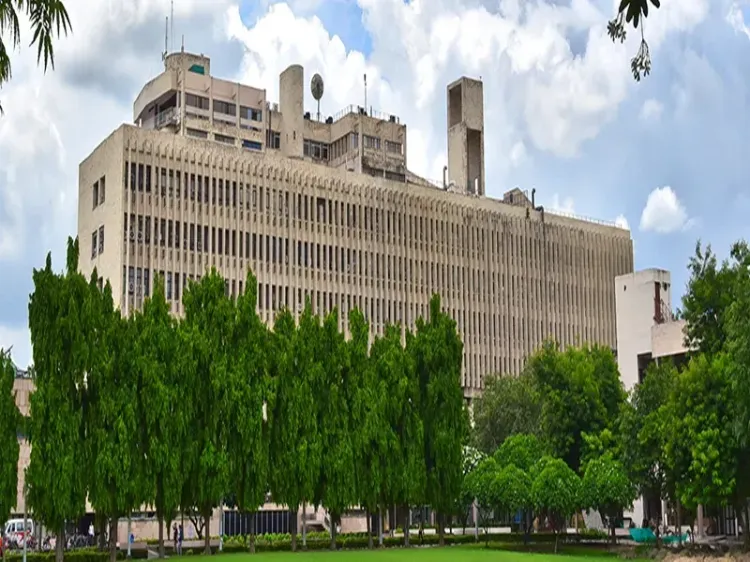
IIT Delhi ranks 118th in QS World University Rankings 2027, leads India again
Synopsis
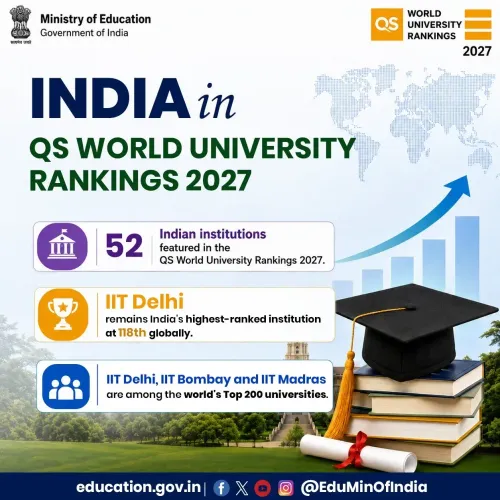
IIT Delhi has climbed five places to rank 118th globally in the QS World University Rankings 2027 — holding its title as India's top university for the second straight year. With 52 Indian institutions now in the rankings and 13 inside the global top 550, the results are the most credible evidence yet that NEP 2020 reforms are beginning to move the needle on India's academic standing worldwide.
Key Takeaways
IIT Delhi ranked 118th in QS World University Rankings 2027 , up from 123rd in 2026.
IIT Delhi is India's highest-ranked institution for the second consecutive year .
52 Indian institutions feature in the QS 2027 rankings; 13 are placed in the global top 550 .
Union Education Minister Dharmendra Pradhan credited NEP 2020 reforms for the improved standings.
The government has linked the rankings performance to its Viksit Bharat by 2047 development vision.
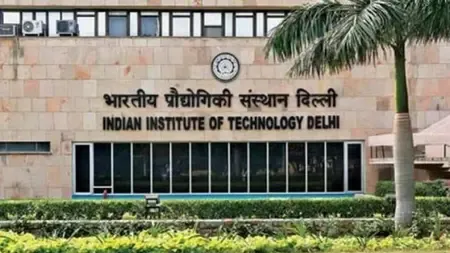
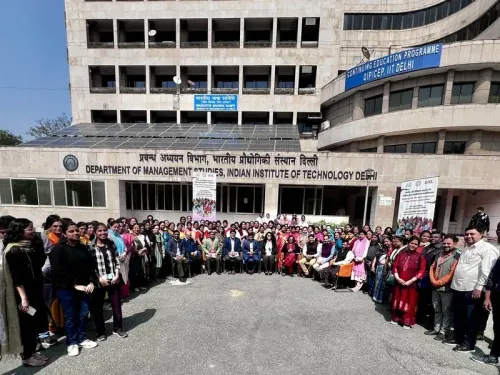
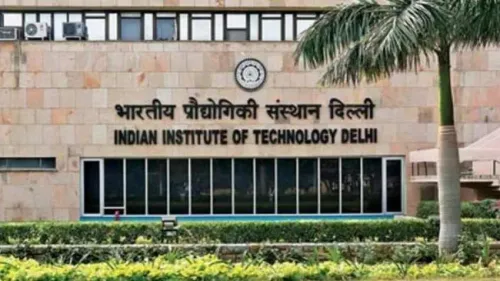
IIT Delhi has climbed to 118th place in the QS World University Rankings 2027, retaining its position as India's highest-ranked institution for the second consecutive year. The institute improved five spots from its 123rd ranking in 2026, reinforcing a sustained upward trend for Indian higher education on the global stage.
Key Developments
A total of 52 Indian institutions feature in the QS World University Rankings 2027, with 13 Indian universities placing among the global top 550. The breadth of representation marks a notable expansion of India's academic footprint in one of the world's most closely watched university ranking systems.
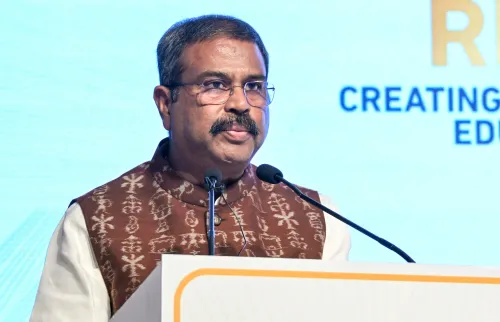
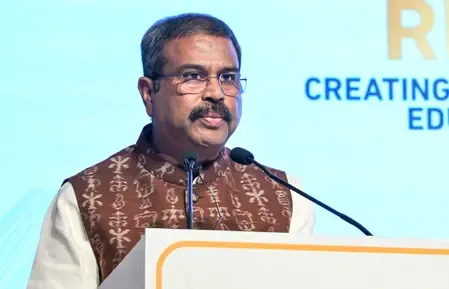
Union Education Minister Dharmendra Pradhan welcomed the results, saying: 'Proud to see 52 Indian institutions featured in the QS World University Rankings, with 13 Indian universities securing a place among the global top 550.' He added that the achievement reflects the strengthening of India's higher education ecosystem and the dedication of faculty, researchers, and students.
What the Government Said
The Ministry of Education highlighted the milestone in an official post on X, framing it as evidence of collective progress across Indian academia. Minister Pradhan linked the rankings performance to the country's long-term development agenda, stating: 'A robust and globally competitive higher education ecosystem is central to our resolve of building a Viksit Bharat by 2047.'
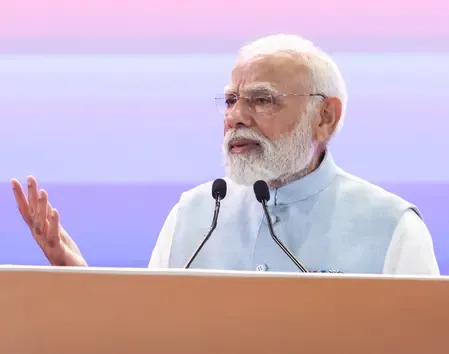
Pradhan credited reforms under the National Education Policy (NEP) 2020 — guided by Prime Minister Narendra Modi's vision — for positioning India as an emerging global hub of knowledge and innovation. The NEP 2020 has driven systemic changes including greater emphasis on multidisciplinary learning, research output, international collaborations, and skill development.
Factors Behind IIT Delhi's Rise
According to Minister Pradhan, IIT Delhi's improved standing is attributable to advancements in cutting-edge research, stronger industry partnerships, enhanced academic infrastructure, and a growing focus on innovation-driven programmes. The institute's five-place improvement in a single year, against intense global competition, underscores the scale of institutional investment in research and internationalisation.
Notably, this is the second straight year that IIT Delhi has led all Indian institutions in the QS rankings — a consistency that analysts say signals structural improvement rather than a one-off result.
Impact on Indian Higher Education
With 52 entries in the global rankings, India is steadily consolidating its presence in international academia. Experts argue that sustained investment in research funding, faculty development, and internationalisation will be critical to maintaining this momentum. As more institutions break into higher global tiers, India's ambition to become a knowledge powerhouse appears increasingly credible.
The government has reiterated its commitment to further strengthening the sector. Minister Pradhan concluded: 'Heartiest congratulations to all the institutions that have made the nation proud. Together, we will continue to strengthen India's journey towards becoming a global knowledge powerhouse.'
Point of View
But the context matters: IIT Delhi at 118th remains outside the global top 100, and the gap to elite institutions in the US, UK, and China is still wide. The government's framing of NEP 2020 as the driver is plausible but premature — ranking improvements typically lag policy changes by several years, making attribution difficult. More telling is the 52-institution breadth: depth of representation across tiers is a stronger signal of systemic health than a single institution's rank. The real test will come when India's research output per faculty and international student ratios — the metrics where Indian universities consistently score lowest — begin to close the gap with peer economies.
NationPress
24 Sept 2026
Frequently Asked Questions
What is IIT Delhi's rank in QS World University Rankings 2027?
IIT Delhi ranked 118th in the QS World University Rankings 2027, improving five places from its 123rd position in 2026. It is India's highest-ranked institution for the second consecutive year.
How many Indian universities are in the QS Rankings 2027?
A total of 52 Indian institutions feature in the QS World University Rankings 2027, with 13 of them placing among the global top 550 .
Why did IIT Delhi improve in the QS Rankings?
According to Union Education Minister Dharmendra Pradhan , the improvement reflects advancements in research, stronger industry partnerships, enhanced infrastructure, and innovation-focused programmes. Reforms under NEP 2020 have also been cited as a contributing factor.
What is the government's response to the QS Rankings 2027 results?
The Ministry of Education and Minister Dharmendra Pradhan welcomed the results, linking the performance to NEP 2020 reforms and the national goal of building a globally competitive higher education ecosystem under the Viksit Bharat by 2047 vision.
Which is India's top university in QS World University Rankings 2027?
IIT Delhi is India's top-ranked university in the QS World University Rankings 2027, placed at 118th globally. It has held this position among Indian institutions for two consecutive years.