Chouhan launches NMMS 2.0 to curb fake MGNREGA attendance
Synopsis
Union Agriculture Minister Shivraj Singh Chouhan launched NMMS 2.0 on 23 October 2026, upgrading MGNREGA's mobile monitoring system with anti-fake-attendance features and offline capability, aiming to ensure wages reach all 3.65 crore-plus enrolled workers without leakage.
Key Takeaways
NMMS 2.0 was launched by Union Minister Shivraj Singh Chouhan on 23 October 2026 to upgrade attendance monitoring under MGNREGA.
The app blocks fake attendance entries that have historically enabled wage fraud in the rural employment scheme.
A new offline mode allows attendance to be recorded and synced later, removing connectivity barriers at remote worksites.
Chouhan cited a cumulative reach of more than 3.65 crore workers and approximately 46 crore person-days generated under the programme.
The original National Mobile Monitoring System was introduced in 2021-22 ; NMMS 2.0 is its anti-fraud upgrade.
The launch is part of a longer government effort linking MGNREGA to Direct Benefit Transfer , geo-tagging, and digital accountability tools.
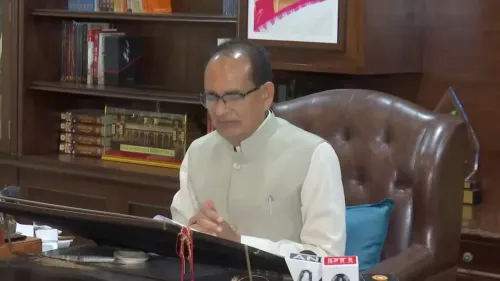
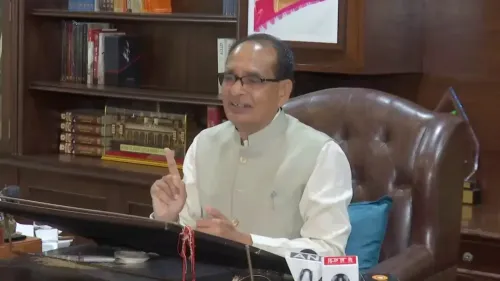
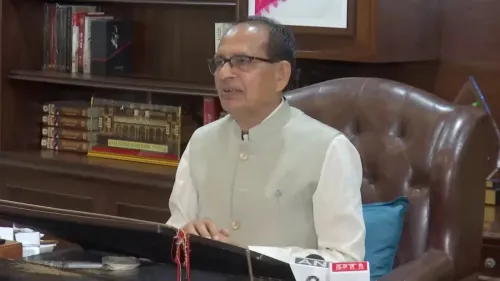
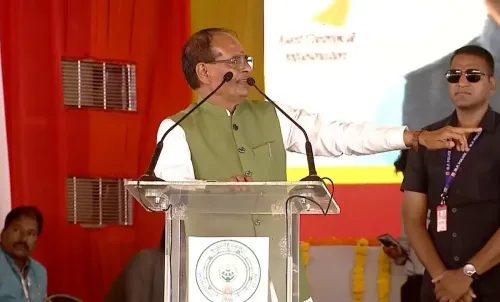
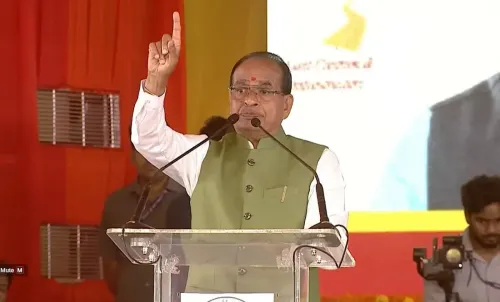
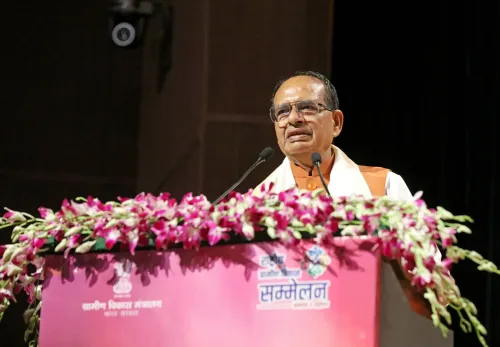
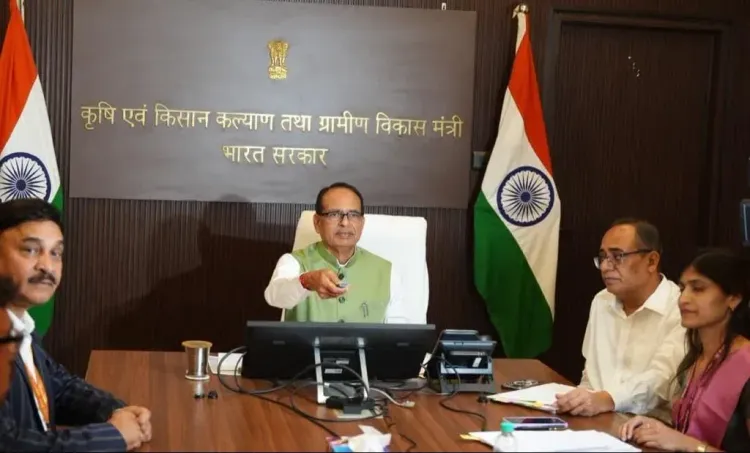
Fake muster rolls have long been the open wound of India's flagship rural jobs guarantee — and on Friday, 23 October 2026, Union Agriculture and Rural Development Minister Shivraj Singh Chouhan moved to stitch it shut, launching NMMS 2.0, an upgraded mobile attendance app designed to end ghost-worker fraud under MGNREGA.
Posting on X, Chouhan framed the launch as a building block for Viksit Bharat (Developed India): 'विकसित भारत के लिए विकसित गांव बनाने और ग्रामीण परिवारों को रोजगार का मजबूत संबल देने की दिशा में महत्वपूर्ण पहल है' — 'A vital step toward building developed villages for a developed India and giving rural families a strong pillar of employment.' He cited the scheme's cumulative reach: more than 3.65 crore workers employed and approximately 46 crore person-days generated so far through the programme.
What NMMS 2.0 changes on the ground
The original National Mobile Monitoring System (NMMS) was introduced in 2021-22 to digitise real-time attendance at MGNREGA worksites and reduce fraudulent entries in muster rolls — a persistent source of leakage that siphoned wages meant for India's poorest rural households. The upgrade addresses two specific pain points. First, it adds an anti-fake-attendance layer to prevent ghost workers from being marked present. Second — and critically for remote India — it enables offline attendance recording, so a mate or supervisor in a connectivity-dead village can still log the day's work and sync data once a signal returns.
This offline-first design is not a small detail. Millions of MGNREGA worksites operate in districts where mobile network coverage is patchy at best. The earlier version's dependence on live connectivity had been a practical barrier to full digital adoption; NMMS 2.0 removes that excuse entirely.
MGNREGA's two-decade journey toward accountability
Enacted in 2005, the Mahatma Gandhi National Rural Employment Guarantee Act gives every rural household a legal right to up to 100 days of wage employment per year. It is one of the world's largest public employment programmes by design. But size has always been its vulnerability — the sheer volume of worksites, workers, and wage payments created fertile ground for inflated attendance and diverted funds.
Successive administrations have layered in technology fixes: geo-tagging of assets, Direct Benefit Transfer (DBT) of wages straight to Jan Dhan accounts, and now successive versions of mobile monitoring. Each intervention has narrowed the leakage window. NMMS 2.0 is the latest tightening of that screw.
Chouhan's pledge: every worker's rightful wage, every rupee accounted for
The minister's closing lines carried an explicit commitment: 'गांव में काम करने वाले हर श्रमिक तक उसका हक पहुंचे और सरकारी पैसे का सही उपयोग हो, यही हमारा संकल्प है' — 'That every labourer working in the village receives their due, and that public money is used rightly — this is our resolve.' It is the language of accountability, directed as much at field functionaries as at the rural electorate.
The real test, of course, will come in the state-wise rollout: whether gram rozgar sevaks and mates actually use the app at the worksite, whether the offline sync is reliable, and whether the fraud-detection algorithms flag anomalies in time for corrective action. The next MGNREGA annual report will be the first scorecard.
For now, India's 46 crore person-days of rural toil have a sharper, smarter watchdog keeping the books.
Point of View
Paper-based welfare delivery with auditable digital rails — a strategy that frames technology not just as efficiency, but as political insulation against leakage accusations. Launching an anti-fraud app under a scheme enacted by the previous government is also a studied political move: it lets the ruling dispensation claim ownership of MGNREGA's success metrics while distancing itself from its historical misuse. The offline functionality is the genuinely consequential design choice here — it signals that the government has heard field-level complaints and is serious about closing the adoption gap. Whether state governments, which actually administer MGNREGA, adopt NMMS 2.0 at scale will determine whether this becomes a real accountability breakthrough or another headline app.
NationPress
23 Oct 2026
Frequently Asked Questions
What is NMMS 2.0 and what does it do?
NMMS 2.0 is an upgraded version of the National Mobile Monitoring System app used under MGNREGA. It introduces anti-fake-attendance features to prevent ghost-worker fraud and adds offline functionality so worksites in low-connectivity areas can still record attendance.
Who launched NMMS 2.0 and when?
Union Agriculture and Rural Development Minister Shivraj Singh Chouhan launched NMMS 2.0 on 23 October 2026 .
What is MGNREGA and how many workers does it cover?
The Mahatma Gandhi National Rural Employment Guarantee Act, enacted in 2005 , gives every rural household a legal right to up to 100 days of wage employment per year. According to Minister Chouhan's post, over 3.65 crore workers have received employment through the scheme.
What was the original NMMS app?
The original National Mobile Monitoring System (NMMS) was introduced in 2021-22 to digitise real-time attendance recording and reduce fraudulent muster rolls at MGNREGA worksites.
How does NMMS 2.0 prevent fake attendance in MGNREGA?
NMMS 2.0 adds an anti-fraud layer that blocks fake or ghost-worker attendance entries. It also allows offline recording so supervisors cannot use poor network coverage as a reason to skip digital logging, closing a key loophole.