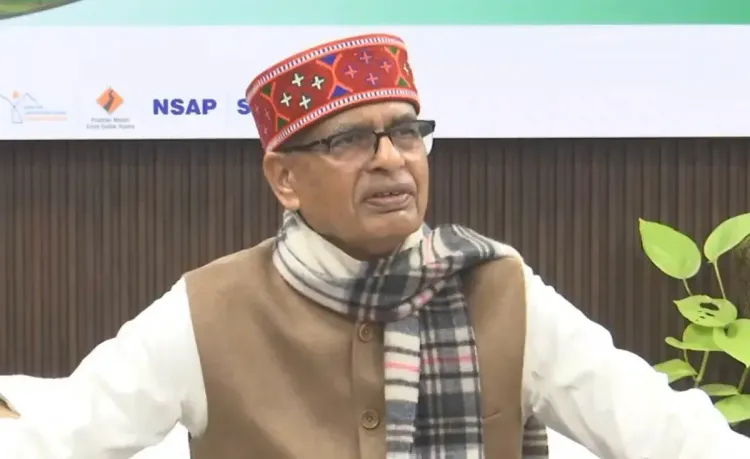
Agri Minister Chouhan: Congress crushed the Constitution
Synopsis
Union Agriculture Minister Shivraj Singh Chouhan used Constitution Day to accuse Congress of crushing the Constitution, citing the 1975 Emergency, suspended rights, mass jailings and dismissed state governments.
Key Takeaways
Union Agriculture Minister Shivraj Singh Chouhan on 26 November 2026 accused Congress of insulting and crushing the Constitution.
He asked who imposed the Emergency on 25 June 1975 and suspended fundamental rights for 21 months .
The Emergency was declared by the Indira Gandhi -led Congress government under Article 352 .
Chouhan also alleged detentions of over 1.5 lakh people and the dismissal of more than 100 elected governments — figures he stated, not independently confirmed here.
The post fits a broader BJP pattern of citing the Emergency in debates over constitutional history.
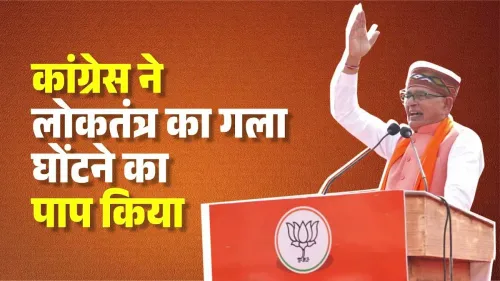
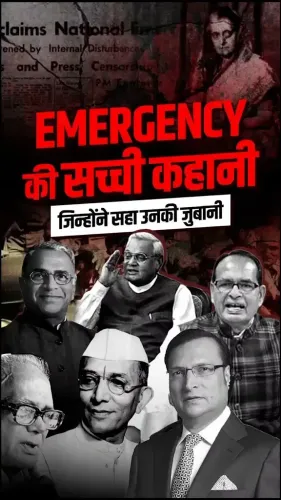
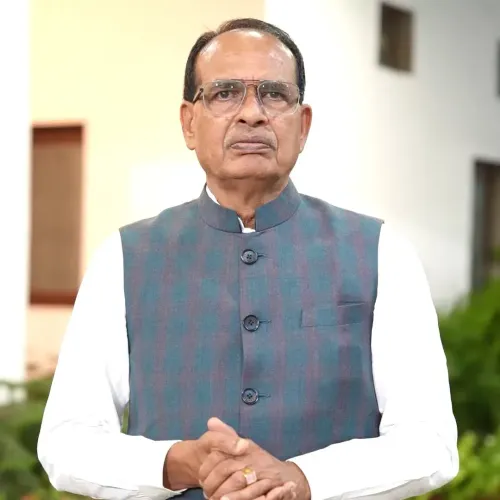
Those who circle others over the Constitution, Union Agriculture Minister Shivraj Singh Chouhan said on Thursday, 26 November 2026, are themselves standing in the dock. On Constitution Day he accused the Indian National Congress of insulting and crushing the charter, and he sent the country back to one date: 25 June 1975.
Writing in Hindi, Chouhan asked who had imposed the Emergency, who had frozen citizens' fundamental rights for 21 months, and who, in his telling, had jailed more than 1.5 lakh people. He added a sharper charge: that Congress had tried to keep a prime minister in office by taking the prime minister's election beyond judicial review, and had torn up elected governments at the Centre's whim. संविधान की धज्जियां उड़ाने का पाप लगातार कांग्रेस ने किया है (Congress has continuously committed the sin of tearing the Constitution to shreds), he wrote.
25 June 1975 and the 21-month Emergency
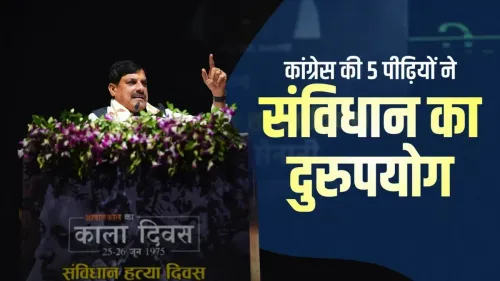
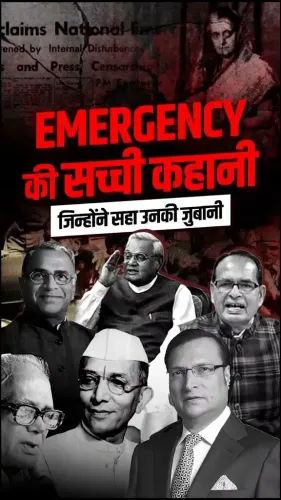
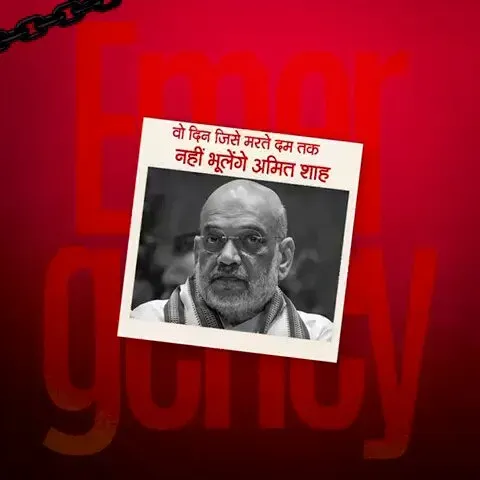
The national Emergency was declared on 25 June 1975 by the Indira Gandhi-led Congress government under Article 352 of the Constitution. It lasted 21 months. Fundamental rights were suspended. Large-scale detentions followed an adverse court ruling on the then prime minister's election.
That is the ledger Chouhan put on the table. घेरेबंदी करने वाले खुद कटघरे में खड़े हैं (those laying siege are themselves in the dock), he said — turning a present-day political encirclement into a history lesson. The former four-term Madhya Pradesh chief minister did not name a new law. He named a night in June, and the months that followed.
Judicial review and the 100-government charge
Chouhan also asked who had tried to place the prime minister's own election outside judicial review, and who had dismissed more than 100 elected governments. Those two tallies — the detention figure of over 1.5 lakh and the count of dismissed ministries — are his assertions in the post; they are not independently confirmed here.
BJP leaders have repeatedly cited the 1975 Emergency to underline Congress-era curbs on civil liberties and the frequent use of central power against state governments. The pattern is now ritual: Constitution Day arrives, and 1975 is summoned as the original sin. Congress typically answers by shifting the argument to federalism and institutions in the present. That reply is the next move in this exchange.
India marks the Constitution every 26 November. This year, the fight over who broke it arrived before the tributes were done.
Point of View
The freeze on fundamental rights, and the alleged misuse of central power against state governments, he seeks to invert Opposition claims that the present government is the threat to the Constitution. The argument is historical and partisan: it treats Congress's long years in office as the original sin against the charter. How Congress answers — on the Emergency record versus present-day federalism — will shape the next round of this running contest.
NationPress
26 Nov 2026
Frequently Asked Questions
What did Shivraj Chouhan say about Congress on Constitution Day?
Union Agriculture Minister Shivraj Singh Chouhan on 26 November 2026 accused Congress of insulting and crushing the Constitution. He cited the 25 June 1975 Emergency, a 21-month suspension of fundamental rights, mass detentions, an attempt to keep a prime minister's election beyond judicial review, and the dismissal of elected governments.
When was the Emergency declared in India?
The national Emergency was declared on 25 June 1975. It was imposed by the Indira Gandhi-led Congress government under Article 352 of the Constitution.
How long did the 1975 Emergency last?
It lasted 21 months. During that period, fundamental rights were suspended and large-scale detentions took place.
Who was Prime Minister during the 1975 Emergency?
Indira Gandhi was Prime Minister. Her government imposed the Emergency after an adverse court ruling on her election.
Did Congress suspend fundamental rights during the Emergency?
Yes. During the 21-month Emergency that began on 25 June 1975, citizens' fundamental rights were suspended, a point Chouhan highlighted in his post.