Shivraj Singh Chouhan Sets Out Agriculture Ministry's Triple Mandate
Synopsis
Union Agriculture Minister Shivraj Singh Chouhan outlined a concurrent triple mandate on 21 October 2026 — ensuring food security, improving nutritional access, and meeting rural electricity demand — framing all three as simultaneous, non-negotiable priorities for India's agriculture and rural development agenda.
Key Takeaways
Shivraj Singh Chouhan posted on X on 21 October 2026 articulating three concurrent agriculture priorities.
The three goals are: ensuring food security , providing nutritious diets , and fulfilling electricity needs .
India's foundational food security framework rests on the National Food Security Act, 2013 , which guarantees subsidised grain to priority households.
POSHAN Abhiyaan (2018) is the government's flagship programme to address malnutrition through coordinated diet and health interventions.
Rural electricity demand is closely linked to agricultural output, particularly through irrigation pump infrastructure in key farming states.
Chouhan's framing signals resistance to single-axis prioritisation, pushing for policy solutions that serve small farmers and rural households across all three dimensions.
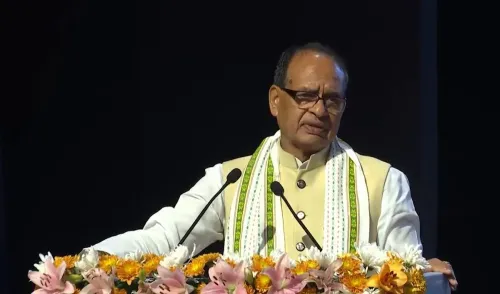
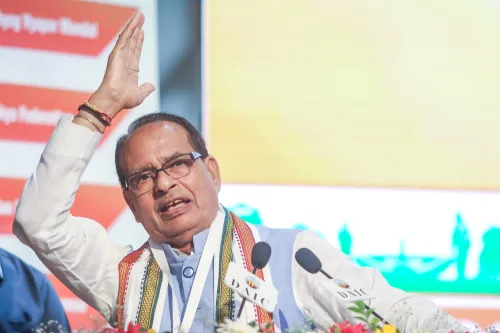
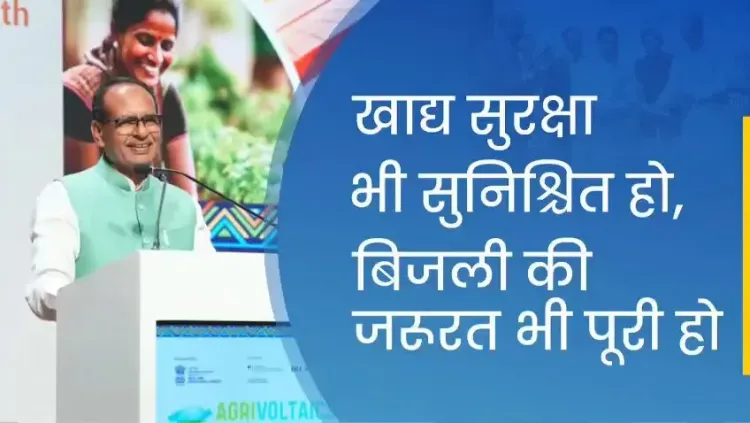
Three goals, one mandate — and Union Agriculture Minister Shivraj Singh Chouhan wants all three delivered at once. In a post on X on Wednesday, 21 October 2026, Chouhan laid out what he described as a concurrent triple obligation for India's agriculture and rural development agenda: guaranteeing food security, making nutritious diets accessible, and meeting the country's electricity needs.
Posting in Hindi, the Minister stated: 'हमें खाद्य सुरक्षा भी सुनिश्चित करनी है, पौष्टिक आहार भी उपलब्ध कराना है और बिजली की आवश्यकता को भी पूरा करना है' — 'We must ensure food security, we must also make nutritious food available, and we must also fulfil the need for electricity.'Why Chouhan Is Linking the Grain Bowl to the Power Grid
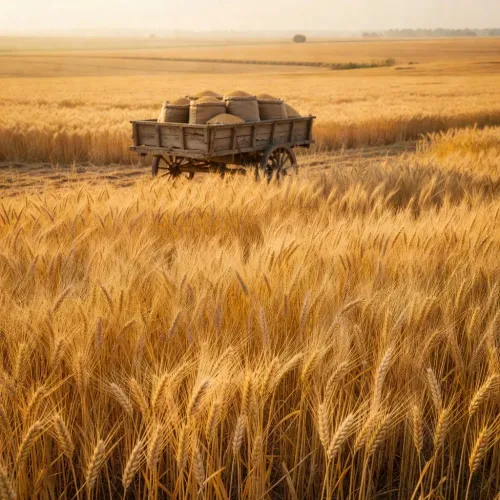
The juxtaposition of food, nutrition, and electricity is not accidental. India's agricultural landscape has long run on the same contested resources — land, water, sunlight, and rural power infrastructure — that feed both crops and communities. Small farmers and rural households sit at the centre of all three challenges: they grow the staples that underpin national food stocks, they are disproportionately affected by diet-linked malnutrition, and they are the primary consumers of subsidised rural electricity that powers irrigation pumps across the country's hinterland.
Agriculture-linked power demand is substantial. Irrigation systems across states like Madhya Pradesh, Uttar Pradesh, and Punjab draw heavily on grid supply, meaning any serious conversation about agricultural output is inseparable from electricity availability and rural power distribution. Chouhan's own four terms as Chief Minister of Madhya Pradesh gave him direct experience managing exactly this triangle of pressures at the state level.
The Policy Architecture Behind the Three Objectives
India's policy frameworks have addressed each of these goals separately, but rarely with the same voice. The National Food Security Act, 2013, established legal entitlements to subsidised grain for priority households — the bedrock of the food security pillar. POSHAN Abhiyaan, launched in 2018, sought to coordinate interventions on diet quality and health outcomes, targeting malnutrition through a convergence of nutrition, health, and women's welfare schemes. Rural electrification has been advanced through successive programmes aimed at connecting unlit villages and reducing dependence on diesel-run pumps.
What the Minister is signalling — by framing all three in a single sentence — is that these objectives must be pursued concurrently, not sequentially. Agricultural policy trade-offs are real: diverting farmland toward energy crops, for instance, competes directly with staple and nutritional crop acreage. Chouhan's framing pushes back against any single-axis prioritisation.
What the Agriculture Ministry Will Be Watched For Next
With the next parliamentary session and budget cycle approaching, the Agriculture Ministry's positioning on crop planning, fertiliser allocation, and rural power distribution will be closely tracked by farm policy watchers. Chouhan's post sets a rhetorical baseline — the question now is which specific programmes or budget lines will carry that triple ambition into practice.
For a country still home to one of the world's largest populations of food-insecure and undernourished people, the stakes of getting all three right — simultaneously — could hardly be higher.
Point of View
Public health nutrition, and rural energy infrastructure, domains that normally sit in separate ministerial silos. For a senior BJP leader with four terms as a state chief minister, this framing draws on ground-level experience of how electricity shortfalls directly suppress agricultural output and nutritional outcomes in rural India. The statement also anticipates budget season, signalling to planners that the Ministry expects resource allocation to reflect all three imperatives, not just headline grain production targets. Whether this translates into cross-ministerial coordination with the Power and Health ministries will be the real test of its policy weight.
NationPress
21 Oct 2026
Frequently Asked Questions
What did Shivraj Singh Chouhan post about food security and electricity?
On 21 October 2026 , Chouhan posted in Hindi that India must simultaneously ensure food security, make nutritious food available, and fulfil the need for electricity — framing all three as concurrent, non-negotiable obligations.
What is Shivraj Singh Chouhan's current role?
Shivraj Singh Chouhan is India's Union Minister of Agriculture and Farmers Welfare and Rural Development , and a senior BJP leader who previously served as Chief Minister of Madhya Pradesh for four terms.
What is POSHAN Abhiyaan and how does it relate to nutritious food access?
POSHAN Abhiyaan , launched in 2018 , is the Indian government's national nutrition mission that coordinates interventions across diet, health, and women's welfare programmes to reduce malnutrition and improve nutritional outcomes.
Why is electricity linked to India's agriculture and food security goals?
Rural electricity is critical to agricultural output because irrigation pumps across major farming states depend on grid power. Electricity shortfalls directly limit irrigation capacity, affecting both staple food production and farmers' incomes.
What is India's legal framework for food security?
The National Food Security Act, 2013 establishes legal entitlements to subsidised food grains for priority households in India, forming the backbone of the country's food security architecture.