Shivraj Singh Chouhan urges farmers to use Soil Health Cards
Synopsis
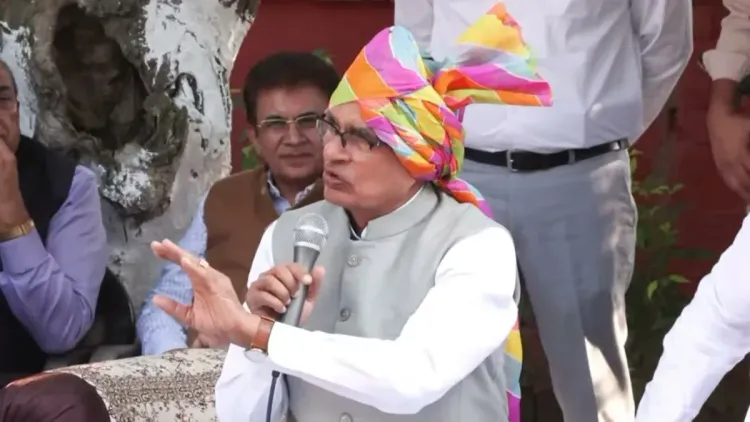
Union Agriculture Minister Shivraj Singh Chouhan has urged Indian farmers to use the government's Soil Health Card scheme for soil testing and adopt balanced fertilizer use, warning that blindly copying neighbours' practices damages land rather than improving yields.
Key Takeaways
Union Agriculture Minister Shivraj Singh Chouhan posted a farmer advisory on 22 October 2026 recommending soil testing via the Soil Health Card scheme.
He warned that copying a neighbour's fertilizer practices does not improve yield and actively damages soil health.
The Soil Health Card scheme was launched nationwide in February 2015 , providing crop-specific fertilizer recommendations based on individual soil tests.
The scheme has expanded lab infrastructure and mobile testing vans at the state level to improve farmer access.
Indiscriminate fertilizer use has been linked to soil acidification, groundwater contamination, and rising input costs for farmers.
Soil health data from card issuance could influence future fertilizer subsidy norms in upcoming budget cycles.
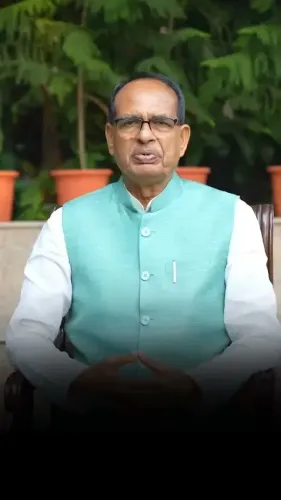
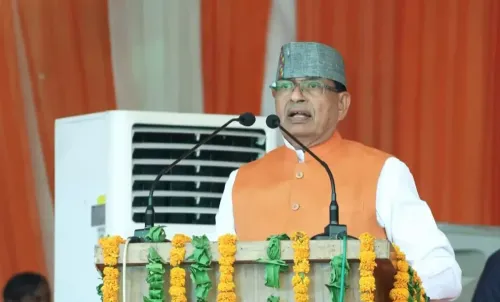
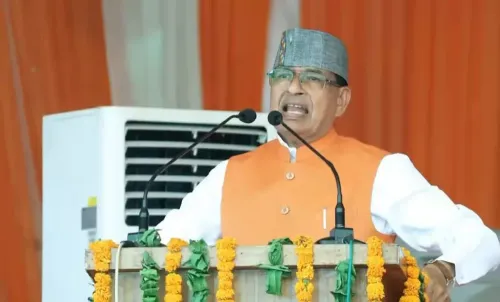
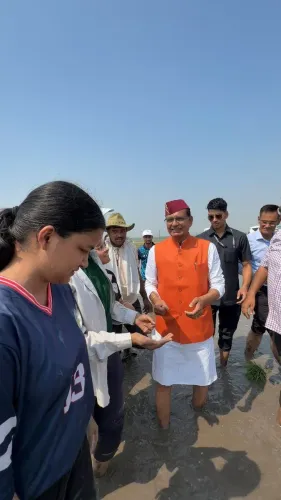
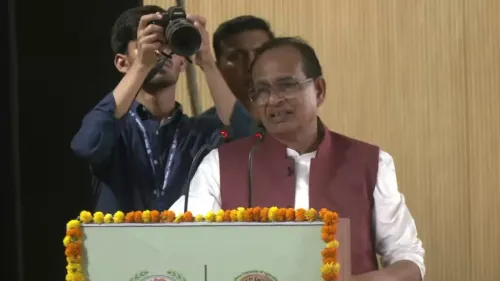
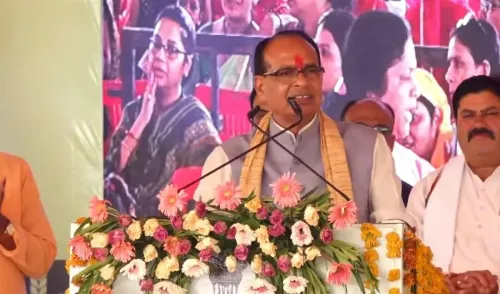
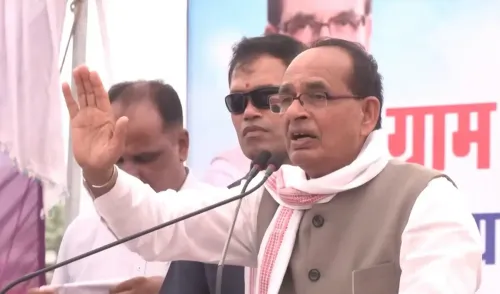
Copying a neighbour's fertilizer routine is quietly destroying India's farmland — and Union Agriculture Minister Shivraj Singh Chouhan wants every farmer to hear that clearly. On Thursday, 22 October 2026, Chouhan posted a pointed advisory on X, urging cultivators across the country to get their soil tested through the Soil Health Card scheme and shift to balanced, data-driven fertilizer use.
The minister's message in Hindi was direct: 'सॉइल हेल्थ कार्ड से मिट्टी का परीक्षण कराएँ और खाद का संतुलित उपयोग करें।' ('Get your soil tested through the Soil Health Card and use fertilizers in a balanced way.') He added that blindly following what a neighbour applies — 'देखा-देखी खाद डालना' — does not raise yields; it damages the land.
What the Soil Health Card actually does
Launched nationwide in February 2015, the Soil Health Card scheme is a Central government programme that gives individual farmers a printed report of their soil's nutrient profile — nitrogen, phosphorus, potassium, and micro-nutrients — alongside crop-specific fertilizer recommendations. The idea is simple but powerful: instead of blanket application of urea or DAP, a farmer applies exactly what their plot needs. Nothing more, nothing less.
The scheme has progressively expanded its laboratory infrastructure and deployed mobile soil-testing vans at the state level to bring the service closer to farmers who lack easy access to agronomic extension workers. The card becomes, in effect, a prescription — not a guess.
Why indiscriminate fertilizer use is the real villain
Indian agricultural policy has flagged indiscriminate fertilizer application as a twin threat for years: it erodes long-term soil fertility while simultaneously inflating input costs for farmers who are already under financial pressure. Over-application of nitrogenous fertilizers, in particular, has been linked to soil acidification, groundwater contamination, and diminishing returns on yield — a slow-burn crisis that hits hardest on small and marginal landholdings.
Chouhan's advisory fits a pattern of ministerial messaging designed to nudge farmer behaviour toward sustainability without regulatory compulsion — using awareness as the lever. As Agriculture Minister, he has been vocal about extending the reach of the Soil Health Card scheme since taking charge in 2024, framing it as a foundational tool for both productivity and soil conservation.
The budget-cycle connection
The timing of such advisories matters beyond the social-media moment. Soil health data collected through the scheme feeds into state-level reporting on card-issuance targets — and that data is increasingly relevant to any future revision of fertilizer subsidy norms. A government moving toward targeted subsidies would need credible soil-health baselines. Chouhan's reminder to farmers is, at one level, also a reminder to state administrations to keep the pipeline of testing and card-issuance moving.
India's farmers have the tool. The minister's message today is a call to actually use it — before another season of guesswork takes another silent toll on the soil.
Point of View
Making awareness campaigns a precondition for any subsidy-reform move. That Chouhan frames the problem as social mimicry — 'copying a neighbour' — rather than ignorance is a politically astute touch, locating the solution in peer influence rather than blame. The real test remains adoption rates at the ground level, where card distribution and actual usage have historically diverged.
NationPress
22 Oct 2026
Frequently Asked Questions
What is the Soil Health Card scheme in India?
The Soil Health Card scheme is a Central government programme launched in February 2015 that provides farmers with a report of their soil's nutrient levels and crop-specific fertilizer recommendations, helping them apply the right inputs in the right quantities.
Why did Shivraj Singh Chouhan advise farmers against copying neighbours' fertilizer use?
Chouhan warned that applying fertilizers by imitating neighbours — without knowing your own soil's needs — does not increase yield and can degrade soil quality over time. He urged farmers to rely on data from Soil Health Cards instead.
How can a farmer get a Soil Health Card?
Farmers can approach their local agricultural extension office, government-recognised soil testing laboratories, or mobile soil-testing vans deployed by state governments to have their soil sampled and receive a Soil Health Card with customised fertilizer advice.
What damage does indiscriminate fertilizer use cause to Indian farmland?
Over-application of fertilizers — especially nitrogenous ones — can lead to soil acidification, declining long-term fertility, groundwater contamination, and rising input costs with diminishing returns on crop yield.
Who is Shivraj Singh Chouhan and what is his role in Indian agriculture?
Shivraj Singh Chouhan is the Union Minister of Agriculture & Farmers Welfare and Rural Development, a senior BJP leader and former four-term Chief Minister of Madhya Pradesh. He has held the agriculture portfolio since 2024 .