Shivraj Singh Chouhan Vows Soil Health Card Drive for All Farmers
Synopsis
Union Agriculture Minister Shivraj Singh Chouhan has announced a targeted campaign under #KhetBachaoAbhiyan to issue Soil Health Cards to all farmers who have not yet received one, renewing the government's push for universal soil testing coverage across India.
Key Takeaways
Union Agriculture Minister Shivraj Singh Chouhan announced a new campaign to issue Soil Health Cards to all uncovered farmers.
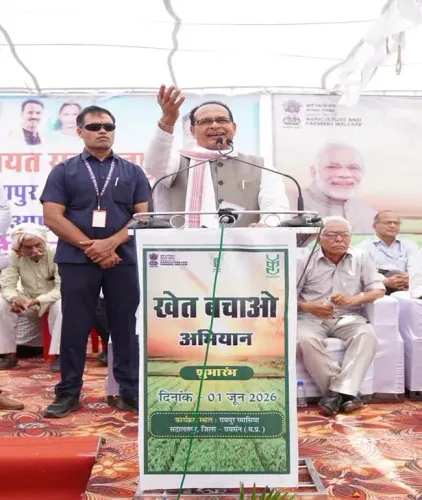
The announcement was made on June 1, 2026 , under the #KhetBachaoAbhiyan (Save the Farm Campaign).
The Soil Health Card scheme was originally launched in February 2015 to provide farmers with soil nutrient reports for balanced fertilizer use.
Small and marginal farmers are the primary target beneficiaries of the expanded card issuance drive.
No specific coverage targets or district-level timelines have been announced yet by the ministry.
The campaign may have direct relevance to Kharif 2026 crop planning and fertilizer input decisions.
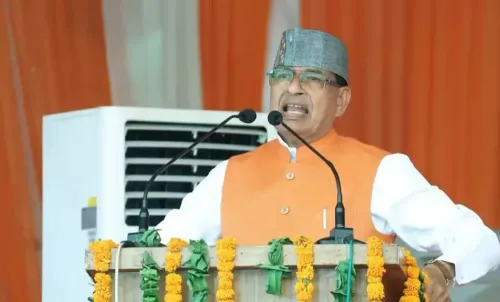
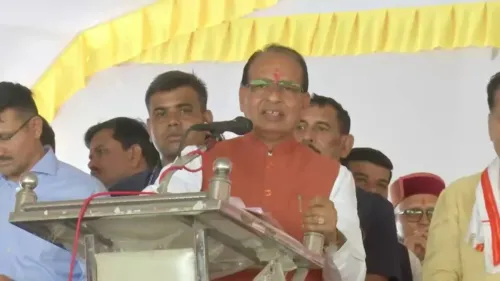
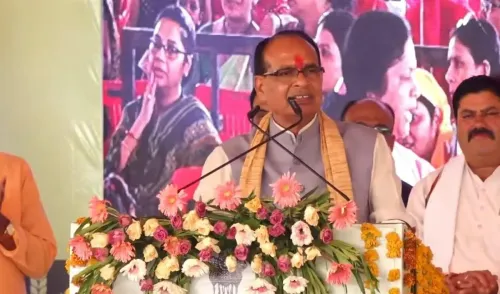
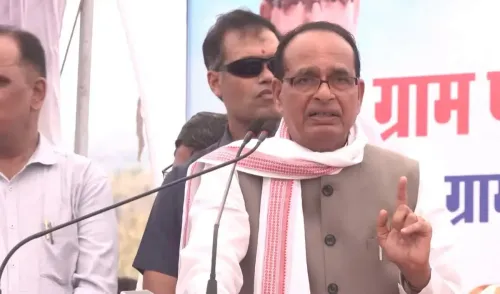
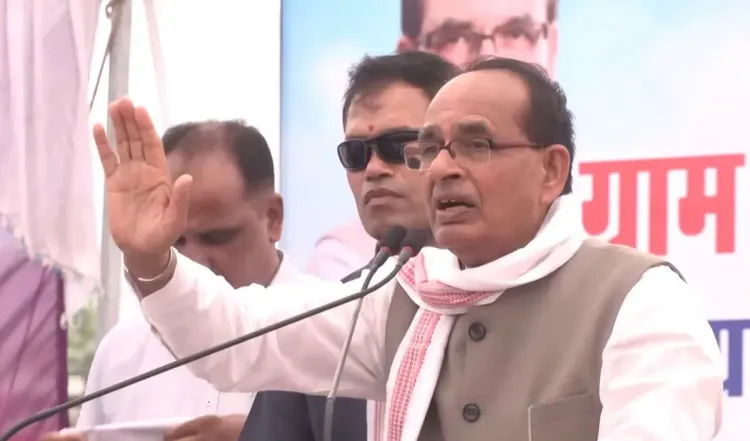
Union Agriculture Minister Shivraj Singh Chouhan on Monday, June 1, 2026, pledged to launch a dedicated campaign to ensure every farmer in India receives a Soil Health Card, announcing the push under the banner of the #KhetBachaoAbhiyan.
Posting on X, Chouhan wrote: 'Soil Health Card mitti ke swasthya ki jaankari deta hai. Jin kisanon ka mridaswasthya card nahin bana hai, hum abhiyan chalakar banwayenge.' — 'The Soil Health Card provides information about the health of the soil. For farmers who have not yet received a Soil Health Card, we will run a campaign to get them one.'
Context
The Soil Health Card scheme was launched in February 2015 as a central government initiative to equip farmers with detailed soil nutrient status reports. These reports guide balanced fertilizer application, helping farmers reduce input costs and improve crop productivity. The scheme is targeted particularly at small and marginal farmers who often lack access to scientific soil data.
Chouhan's announcement signals that despite over a decade of implementation, coverage gaps remain — and that the ministry intends to address them through a structured outreach campaign rather than passive enrolment.
Policy Backdrop
The Soil Health Card programme has been a cornerstone of India's sustainable agriculture agenda since its inception. By linking soil test results to fertilizer recommendations, the scheme supports both the government's fertilizer subsidy rationalisation goals and broader efforts to reduce soil degradation caused by indiscriminate chemical use.
Successive phases of the programme have sought to expand coverage and integrate soil data with crop planning and input subsidy frameworks. The #KhetBachaoAbhiyan — which translates to 'Save the Farm Campaign' — frames soil health management as an urgent, protective intervention rather than a routine administrative exercise.
Stakeholders and Impact
Small and marginal farmers, who constitute the majority of India's agricultural workforce, stand to benefit most directly from expanded card issuance. Without a Soil Health Card, these farmers often rely on generic or excessive fertilizer use, which raises costs and can degrade soil quality over time.
The campaign also carries implications for the upcoming Kharif sowing season, when timely soil data can directly influence crop selection, input decisions, and yield outcomes. District-level agriculture offices and state governments are expected to be key implementation partners in the drive.
What's Next
The ministry has not yet announced specific coverage targets, district-level rollout timelines, or integration details with existing farmer databases such as the PM-KISAN beneficiary registry. Observers will watch whether the campaign is linked to Kharif 2026 advisories or to forthcoming fertilizer subsidy policy updates.
If the campaign achieves universal coverage, it would mark a significant step toward evidence-based, precision farming at scale — a goal that has eluded successive governments despite years of investment in soil testing infrastructure.
Point of View
The minister elevates routine administrative outreach into a visible mobilisation effort, a style consistent with his long tenure as Madhya Pradesh Chief Minister. The move also reflects a broader pattern in the current government's agricultural strategy: revisiting foundational schemes with renewed urgency rather than launching new ones, particularly ahead of the Kharif season when farmer-facing optics matter most. Whether the campaign translates into measurable coverage gains will depend on state-level execution — the perennial weak link in centrally sponsored scheme delivery.
NationPress
19 Sept 2026
Frequently Asked Questions
What is the Soil Health Card scheme in India?
The Soil Health Card scheme is a central government programme launched in February 2015 that provides farmers with a report on their soil's nutrient status and recommends appropriate fertilizer doses to improve crop productivity and reduce input waste.
What is KhetBachaoAbhiyan?
#KhetBachaoAbhiyan , or 'Save the Farm Campaign,' is a campaign announced by Union Agriculture Minister Shivraj Singh Chouhan focused on farm protection, with a current emphasis on expanding Soil Health Card coverage to all farmers who have not yet received one.
Who is Shivraj Singh Chouhan?
Shivraj Singh Chouhan is the Union Minister of Agriculture and Farmers Welfare and Rural Development in India. He is a senior BJP leader and served four terms as Chief Minister of Madhya Pradesh .
Why do farmers need a Soil Health Card?
A Soil Health Card tells a farmer the exact nutrient levels in their soil, enabling them to apply the right type and quantity of fertilizer. This reduces input costs, prevents soil degradation from over-fertilization, and helps improve crop yields sustainably.
Which farmers will benefit from the new Soil Health Card campaign?
The campaign is aimed primarily at small and marginal farmers who have not yet received a Soil Health Card. The ministry plans to run a dedicated outreach drive to ensure these farmers are covered under the scheme.