Shivraj Chouhan Urges Farmers to Cut Fertiliser Overuse
Synopsis
Union Agriculture Minister Shivraj Singh Chouhan has urged Indian farmers to apply fertilisers and pesticides only in the quantities their crops require, cautioning that overuse is steadily harming soil health. The advisory reinforces the decade-old Soil Health Card Scheme and India's wider push for sustainable, climate-resilient agriculture.
Key Takeaways
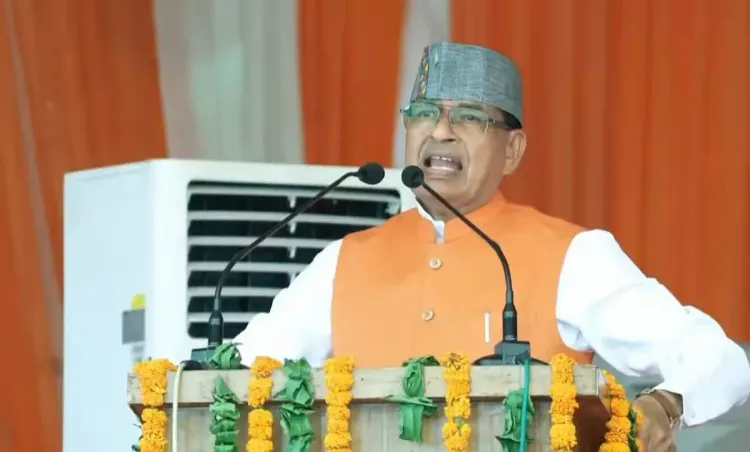
Shivraj Singh Chouhan , Union Minister of Agriculture, issued a direct public advisory to farmers on 26 June 2026 against excessive fertiliser and pesticide use.
The minister warned that overuse of chemical inputs is 'continuously deteriorating' the health of India's land and soil.
He urged farmers to apply only as much fertiliser as the crop actually needs, not more.
The Soil Health Card Scheme , launched in 2015 , provides soil-test-based nutrient recommendations to support exactly this kind of judicious input management.
Heavy fertiliser subsidies, particularly on urea, have historically encouraged over-application, creating nutrient imbalances and long-term soil productivity loss.
Small and marginal farmers stand to gain both agronomically and economically from reducing unnecessary input expenditure.
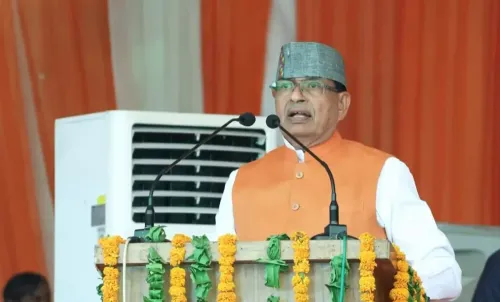
Union Agriculture Minister Shivraj Singh Chouhan on Friday, 26 June 2026, directly addressed farmers across India with a pointed advisory against the overuse of chemical fertilisers and pesticides, warning that excessive application is steadily degrading the country's soil health.
Context
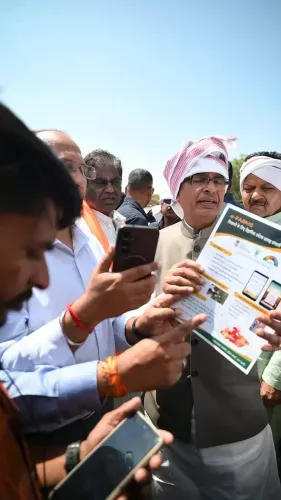
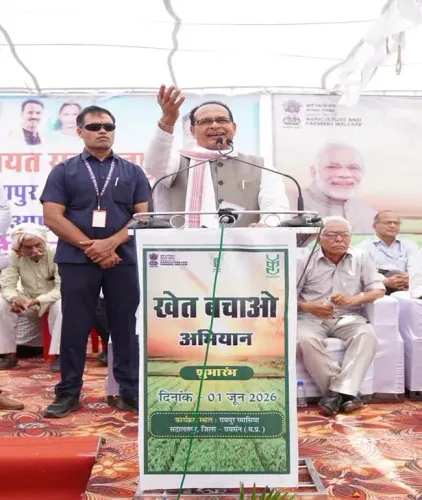
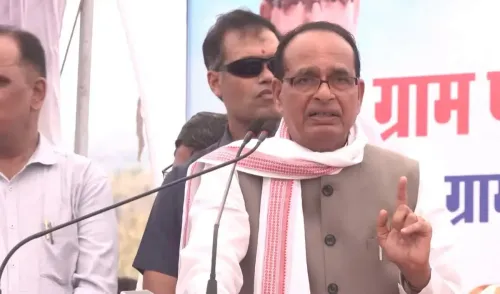
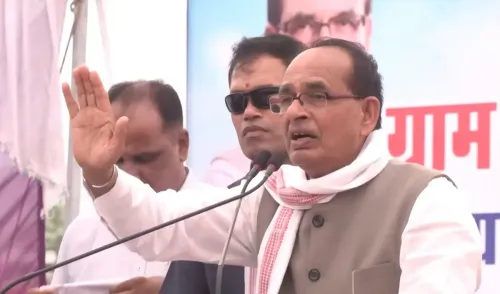
Posting in Hindi on X, Chouhan appealed to 'mere kisan bhaiyon aur bahnon' ('my farmer brothers and sisters'), urging them to apply only as much fertiliser as the crop actually requires. He stated plainly: 'adhik matra mein khad aur pesticide ke upyog se hamari dharti aur mitti ka swasthya lagatar kharab ho raha hai' — 'the health of our land and soil is continuously deteriorating due to the excessive use of fertilisers and pesticides.' The message, accompanied by a video, is aimed at India's vast smallholder farming community.
Policy Backdrop
The minister's advisory sits within a well-established policy lineage. The Soil Health Card Scheme, launched in 2015, was designed precisely to address this problem: it analyses soil samples from farmers' fields and recommends the exact quantity and type of nutrients needed, discouraging blanket or excessive chemical application. Successive central governments have reinforced this message through testing drives, integrated nutrient management guidelines, and the promotion of organic and natural farming methods.
Fertiliser overuse is a recognised structural challenge in Indian agriculture. Heavy subsidies on urea have historically incentivised its over-application, leading to nutrient imbalances — excess nitrogen, deficiencies in secondary and micronutrients — that reduce long-term soil productivity. Addressing this is also tied to India's broader climate-resilience and sustainable agriculture goals.
Stakeholders and Impact
The advisory is directed primarily at small and marginal farmers, who constitute the majority of India's agricultural workforce and are often most vulnerable to both the cost of excess inputs and the long-term consequences of soil degradation. For this group, reducing unnecessary fertiliser expenditure can also provide direct economic relief, since input costs are a significant share of cultivation expenses.
The broader implications extend to soil biodiversity, groundwater quality, and the sustainability of India's food production base. Soil degradation linked to chemical overuse is a slow-moving crisis that affects crop yields over successive seasons, making early behavioural change among farmers a priority for policymakers.
What's Next
Attention will now turn to whether this advisory is backed by updated integrated nutrient management guidelines or revisions to fertiliser subsidy structures in upcoming agricultural budgets or missions. The Soil Health Card Scheme remains the primary institutional mechanism for translating such advisories into on-ground action, and any expansion of soil testing coverage or awareness campaigns at the district level will be closely watched. Chouhan's message signals continued political emphasis on judicious input use as a pillar of sustainable farming policy in India.
Point of View
Given the structural incentive that subsidised urea creates for over-application. By speaking directly to farmers in Hindi on a high-visibility platform, the minister is using the bully pulpit to shift behaviour where regulation and subsidy reform have moved slowly. The timing also fits a broader BJP narrative of positioning the government as a steward of 'natural' and sustainable farming — a theme that has gained salience as soil degradation data becomes harder to ignore. Whether the message translates into measurable change will depend on whether institutional follow-through, particularly through the Soil Health Card Scheme, matches the rhetorical urgency.
NationPress
25 Sept 2026
Frequently Asked Questions
What did Agriculture Minister Shivraj Singh Chouhan say about fertilisers?
Chouhan urged farmers to use fertilisers and pesticides only in the quantities their crops actually require, warning that excessive use is continuously harming India's soil health.
What is the Soil Health Card Scheme?
The Soil Health Card Scheme, launched in 2015, analyses soil samples from farmers' fields and recommends the precise type and quantity of nutrients needed, helping farmers avoid over-application of chemical fertilisers.
Why is fertiliser overuse a problem in Indian agriculture?
Excessive fertiliser use degrades soil health over time, causes nutrient imbalances, harms groundwater quality, and reduces long-term crop productivity. Heavy government subsidies on urea have historically encouraged over-application.
Who is most affected by soil degradation from chemical overuse?
Small and marginal farmers are most affected, as they bear both the economic cost of unnecessary inputs and the long-term agronomic consequences of declining soil fertility.
What policy steps has India taken to promote balanced fertiliser use?
India has promoted the Soil Health Card Scheme, integrated nutrient management guidelines, and organic and natural farming programmes to encourage farmers to apply inputs based on actual soil needs rather than habit or availability.