Jharkhand's Churchu women earn ₹70,000/month making lac bangles
Synopsis
A former Naxal stronghold in Jharkhand is quietly rewriting its story. Women in Churchu's Kajri village are earning up to ₹80,000 a month making lac bangles — well above the Lakhpati Didi threshold — through SHGs backed by central government schemes. It is one of the more concrete ground-level outcomes of a programme the Centre has staked significant political capital on.
Key Takeaways
Around 40 women in Churchu block , Hazaribagh , Jharkhand are earning ₹70,000–₹80,000 per month through lac bangle production.
They operate under the Lakhpati Didi Yojana and the Nari Urja Farmer Producer Company , with involvement spanning seven years .
Jharkhand is India's largest producer of lac, used in bangles, cosmetics, jewellery, and medicines.
Bangles from Churchu are now sold across multiple Indian states, with exports reaching international markets.
Women attribute their turnaround to central government training, grants, and financial assistance under schemes backed by Prime Minister Narendra Modi .
Children of SHG members now attend private schools, reflecting a broader improvement in household living standards.
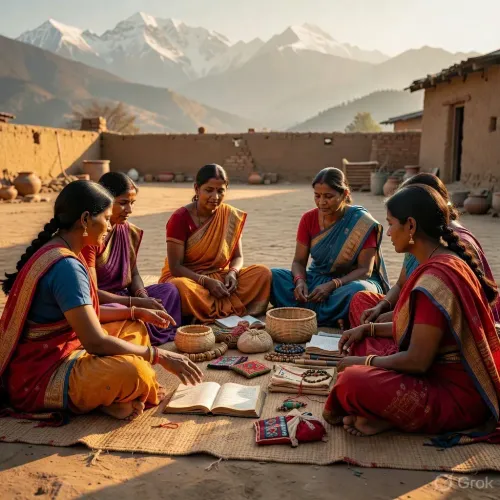
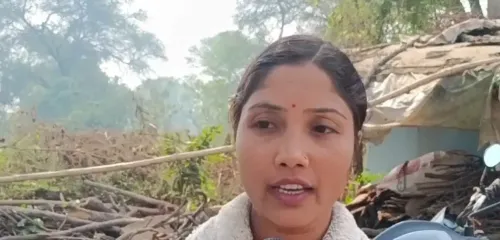
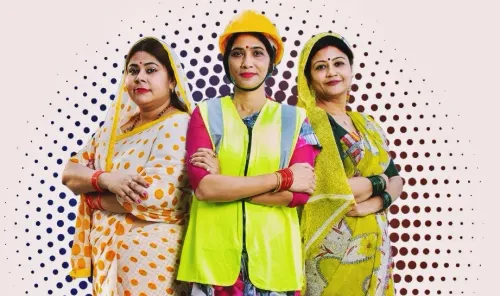
Women in Kajri village of Churchu block, Hazaribagh district, Jharkhand are earning up to ₹70,000–₹80,000 per month through lac bangle production, transforming a region once synonymous with Naxal violence into a growing hub of women-led enterprise. Around 40 women affiliated with local Self-Help Groups (SHGs) are driving this shift under the Lakhpati Didi Yojana and the Nari Urja Farmer Producer Company.
From Red Terror to Self-Reliance
Churchu block was for years severely affected by Left-Wing Extremism, with curfew-like silences descending after dusk and the sounds of gunfire a grim routine. Today, according to reports, that atmosphere has given way to the hum of productive enterprise. Women who once had limited economic agency are now running viable micro-businesses, sending their children to private schools and reporting a marked improvement in household living standards.
The women say they have been engaged in lac bangle production for the past seven years, a period that has coincided with a steady rise in both income and social standing within their communities.
Jharkhand's Lac Advantage
Jharkhand is the largest producer of lac in India, and the raw material sourced here finds its way to markets across the country and internationally. Lac is a versatile natural resin used not only in bangle-making but also in cosmetics, jewellery, and pharmaceutical manufacturing — giving the product a broad commercial base.
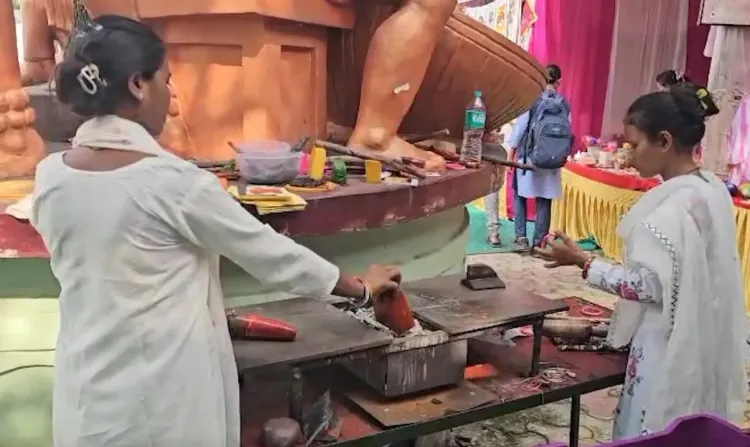
The bangles crafted in Churchu are now reaching buyers in multiple states. The production process is labour-intensive: lac is melted, shaped using moulds, coloured, sized to fit the wrist, and finished with decorative elements including rhinestones, pearls, glass, and gold or silver accents.
Government Schemes as the Catalyst
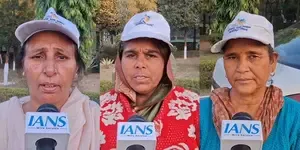
The women credit central government support — including training, financial assistance, and grants — as the foundation of their turnaround. Speaking to reporters, members of the Lakhpati Didi Yojana expressed gratitude to Prime Minister Narendra Modi, saying that schemes like Lakhpati Kisan Yojana gave them the initial capital and skilling support to launch self-employment ventures.
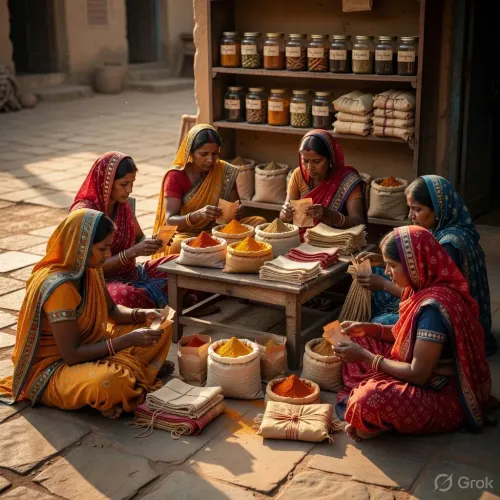
The Nari Urja Farmer Producer Company has served as the organisational backbone, aggregating the output of individual SHG members and connecting them to wider markets — a model that rural livelihood experts consider critical for sustaining income at scale.
Impact on Families and the Community
Beyond income, the shift has altered household dynamics. Women report greater decision-making authority within their families, and the ability to fund private schooling for children signals a generational dividend. Notably, this income level — averaging ₹70,000 per month — places these women well above the Lakhpati Didi threshold of ₹1 lakh annual income, making them among the scheme's more visible success stories.
As Churchu's story gains wider attention, it offers a replicable template for other conflict-affected districts where women's SHGs and commodity-linked production chains could anchor economic recovery.
Point of View
000–₹80,000 per month per woman would place these earners in the top decile of rural India, and it is worth asking whether these are gross revenues shared across a group or net individual incomes. The Lakhpati Didi Yojana has been a high-visibility political programme, and ground-level verification of income claims — by independent agencies rather than scheme beneficiaries alone — would strengthen the credibility of what is otherwise a genuinely encouraging model. If the numbers hold up, Churchu is not just a feel-good story; it is a replicable playbook for post-conflict economic rehabilitation.
NationPress
19 Oct 2026
Frequently Asked Questions
What is the Lakhpati Didi Yojana and how does it work in Jharkhand?
The Lakhpati Didi Yojana is a central government scheme aimed at helping rural women earn at least ₹1 lakh annually through self-employment. In Jharkhand's Churchu block, women are channelling this support into lac bangle production, earning reportedly ₹70,000–₹80,000 per month through Self-Help Groups linked to the Nari Urja Farmer Producer Company.
Why is Churchu block significant in the context of this story?
Churchu block in Hazaribagh district was long affected by Left-Wing Extremism (Naxalism), making economic activity and women's mobility particularly constrained. The emergence of a thriving women-led enterprise there represents a notable shift in both security conditions and livelihood outcomes.
What makes Jharkhand's lac industry important?
Jharkhand is India's largest producer of lac, a natural resin used in making bangles, cosmetics, jewellery, and medicines. This gives Churchu's women a raw-material advantage and connects their cottage production to both domestic and international supply chains.
How labour-intensive is lac bangle production?
The process involves melting lac, shaping it in moulds, adding colours, adjusting wrist size, and finishing with decorative elements such as rhinestones, pearls, glass, and gold or silver accents — each step done largely by hand, making it a skill-intensive craft.
Who is affected by and who can replicate this model?
Directly, around 40 women in Kajri village and the wider Churchu block benefit. The model — SHG aggregation, commodity-linked production, and government-backed skilling — is considered replicable in other conflict-affected or economically marginalised districts across India.