CJI Surya Kant Advocates for a Hospital-like Judicial Service
Synopsis
In a recent address, Chief Justice of India, Justice Surya Kant, emphasized the need for the judicial system to serve the public with the same hope and dedication found in hospitals. His remarks came during the foundation laying of a new court complex in Mandi, Himachal Pradesh.
Key Takeaways
CJI Surya Kant's vision: The judiciary should embody a spirit of service akin to hospitals.
New Judicial Court complex: To enhance judicial facilities with a budget of Rs 152 crore.
Social justice initiatives: Government's commitment includes adopting orphaned children and raising the legal marriage age for girls.
Awareness of rights: Emphasis on educating citizens about their fundamental rights and duties.
Resolution of cases: Implementation of Lok Adalats has led to the resolution of over 5.5 lakh cases.
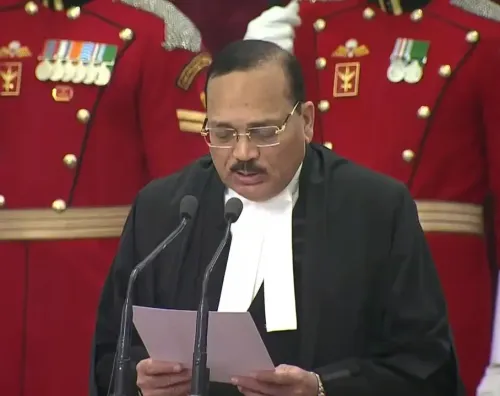
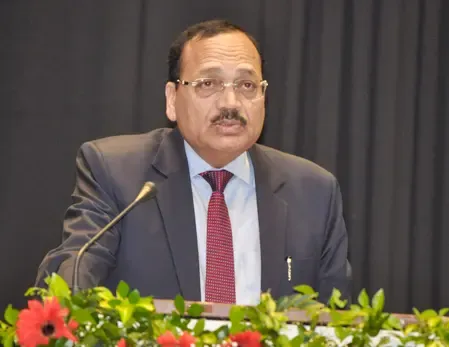
Mandi, March 15 (NationPress) The Chief Justice of India, Justice Surya Kant, expressed on Sunday that “individuals visit hospitals with hope, and similarly, the judicial system should embody that same spirit of service.”
“When people approach courts, they anticipate relief and justice. As facilities expand, the judicial system's responsibilities also grow,” Justice Kant emphasized during a legal literacy camp in this Himachal Pradesh town.
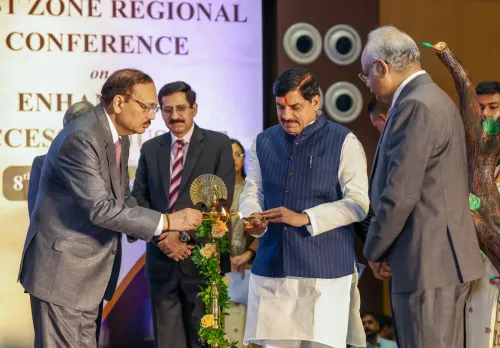
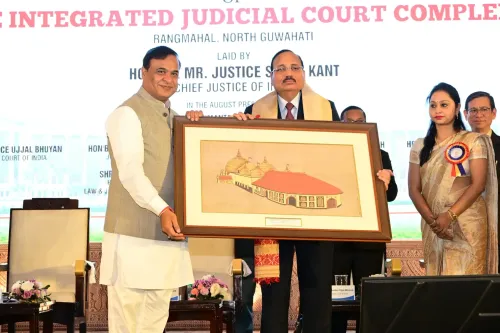
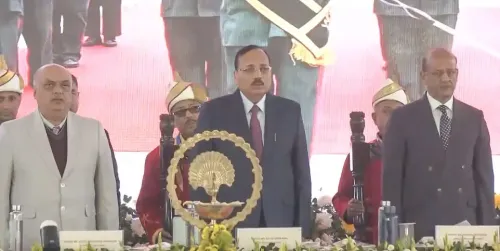
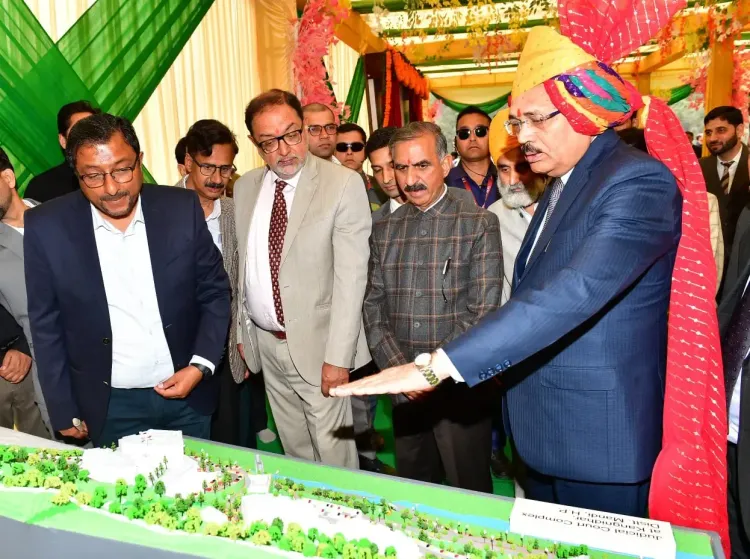
He also inaugurated the foundation stone for a new Judicial Court complex, which will be erected at a cost of Rs 152 crore, in the presence of Chief Minister Sukhvinder Sukhu. This modern court complex, spanning 9.6 hectares, will feature four blocks and enhance facilities for judges, lawyers, and the public.
Justice Kant noted that Mandi is often referred to as Chhoti Kashi, attracting millions of devoted visitors. He remarked that the foundation of a “temple of justice” is being established here, promising to be completed soon.
“Today’s assembly is significant; while discussions often center on fundamental rights, it’s essential to remember that fundamental duties are also a core part of the Constitution and must be adhered to,” he stated.
He praised Himachal Pradesh for retaining its natural beauty and stressed the importance of educating citizens about their fundamental rights. He called for similar programs at grassroots levels to enhance awareness of fundamental duties.
Justice Kant expressed his gratitude, stating that “the affection and respect from the people have brought him back to Himachal Pradesh, and he feels privileged by their warmth.”
Chief Minister Sukhu extended a warm welcome to Justice Kant, inviting him for future visits. In his speech, he reiterated the government's commitment to ensuring justice and rights for every citizen in the state.
He highlighted that the government is pursuing inclusive development and social justice in line with the Constitution's spirit. Through initiatives in education, healthcare, social security, and transparent governance, they are working to provide equal opportunities for all citizens and strengthen the roots of democracy.
The government has recognized around 6,000 orphaned children as “Children of the State”, marking the enactment of the first law of its kind in India.
He also announced that the legal marriage age for girls has been raised to 21 years, ensuring they have equal rights and opportunities as boys.
In a move to grant equal rights to daughters, the government has now allowed them to inherit ancestral property up to 150 bighas, a privilege previously reserved for sons.
To support the education of children from widowed families, the government has launched the Indira Gandhi Sukh Shiksha Yojana, covering their educational expenses. Furthermore, by organizing revenue Lok Adalats, the government has successfully resolved around 5.5 lakh pending cases that had lingered for years.
Point of View
Justice Surya Kant's remarks highlight the essential role of the judiciary in upholding justice and public faith. His call for a service-oriented judicial system resonates with the need for increased accountability and accessibility in legal processes.
NationPress
26 Sept 2026
Frequently Asked Questions
What did Justice Surya Kant say about the judicial system?
He stated that the judicial system should operate with the same spirit of service as hospitals, reflecting hope and anticipation for justice.
What is the significance of the new Judicial Court complex?
The complex, costing Rs 152 crore, aims to provide enhanced facilities for judges, lawyers, and the public, symbolizing a commitment to improved judicial services.
How is the government supporting orphaned children?
The government has adopted about 6,000 orphaned children as 'Children of the State' under a newly enacted law aimed at their welfare.
What changes have been made regarding marriage age for girls?
The legal age for marriage for girls has been raised to 21 years, ensuring they have equal opportunities as boys.
What efforts are being made to resolve pending cases?
The government has organized revenue Lok Adalats, successfully resolving approximately 5.5 lakh long-pending cases.