Cockroach Janta Party core meet on Aug 5 to decide political future

Synopsis
India's most-watched Gen Z movement faces its defining moment: on 5 August, the Cockroach Janta Party meets to decide whether to cross from protest into politics. Abhijeet Dipke, who helped force a Cabinet minister's resignation over NEET, now has to choose between remaining a pressure group and becoming a political player — a choice that could reshape how young India engages with electoral democracy.
Key Takeaways
Cockroach Janta Party (CJP) core committee meets on 5 August at Chhatrapati Sambhajinagar, Maharashtra to decide its political future.
Leader Abhijeet Dipke will hold a press conference after the meeting to announce the outcome.
The CJP's Jantar Mantar protest over the NEET paper leak is credited with contributing to the resignation of then Education Minister Dharmendra Pradhan .
Dipke has clarified the CJP will not join any existing political party or serve as a front for one.
Analysts flag questions over whether external actors amplified the movement's reach, while noting genuine student grievances drove the agitation.
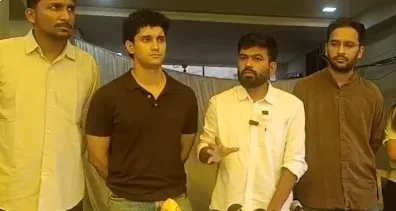
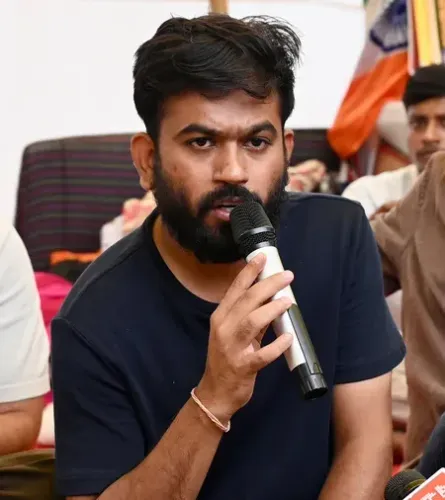
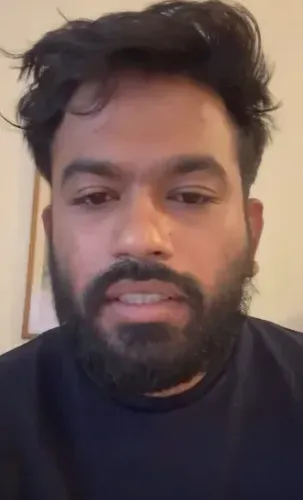
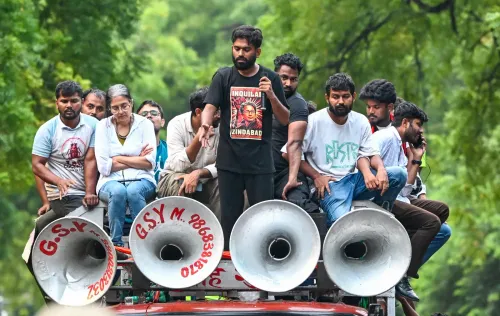
The Cockroach Janta Party (CJP), the online youth movement led by Gen Z icon Abhijeet Dipke, is set to hold a pivotal core committee meeting on 5 August at Chhatrapati Sambhajinagar, Maharashtra, where members will decide whether the outfit takes a formal political plunge. The outcome of the deliberations will be shared publicly at a press conference Dipke is expected to address immediately after the meeting.
What Is on the Agenda
According to a CJP functionary, the meeting's agenda has been clearly defined: determining the future course of action for the movement. Dipke will host core members at his residence to assess feedback gathered from supporters across multiple states before arriving at a collective decision.
The NEET Protest That Changed the Equation
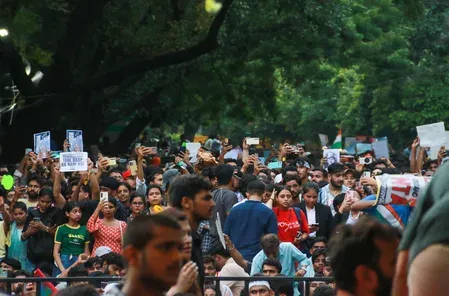
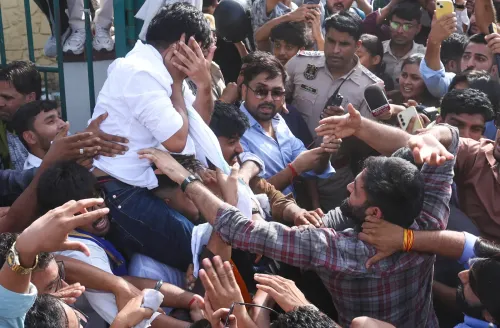
The CJP's momentum accelerated after what the functionary described as a 'successful' protest at Delhi's Jantar Mantar over the NEET paper leak controversy. That agitation is widely credited with contributing to the resignation of then Education Minister Dharmendra Pradhan, raising expectations among supporters that the movement could be a sustained force for change in education policy.
In remarks following the Delhi protest, Dipke indicated his intention to keep the CJP alive as a 'response group' focused on issues affecting students and youth — stopping short of committing to electoral politics.
Dipke's Stated Position
Over the past several days, Dipke has repeatedly stressed that the CJP will not allow itself to be used as a front by any political party to target the government, nor will it merge with an existing political outfit. He has reaffirmed his commitment to peaceful and democratic methods of mobilisation.
Observers note that the central challenge before the movement is sustaining momentum around legitimate student grievances while resisting co-option by established political forces.
Questions Over External Amplification
The CJP's rapid expansion — marked by extensive social media outreach and large youth participation — has prompted questions in several quarters about whether external actors played a role in amplifying its reach. Analysts, however, caution that such forces cannot manufacture public discontent where none exists; they can, at most, accelerate mobilisation around pre-existing grievances.
One analyst noted that the scale and speed of the recent mobilisation reflects a pattern increasingly visible in protest movements globally over the past two decades, raising broader questions about whether the CJP represents something larger than a domestic student agitation.
What Comes Next
All eyes are on 5 August and Dipke's post-meeting press conference, which will signal whether the CJP evolves into a registered political entity, remains an issue-based pressure group, or charts an entirely different course. The decision is likely to shape how India's Gen Z engages with electoral politics in the months ahead.
Point of View
But structurally fragile — movements without institutional form tend to either formalise, fragment, or get absorbed. The NEET agitation gave the CJP a genuine win, but single-issue victories rarely sustain momentum. The harder question — whether a social-media-native movement can build durable organisational capacity without the very political infrastructure Dipke is trying to avoid — goes unasked in most coverage.
NationPress
17 Sept 2026
Frequently Asked Questions
What is the Cockroach Janta Party (CJP)?
The Cockroach Janta Party is an online youth movement founded by Abhijeet Dipke that rose to national prominence through its protests against the NEET paper leak. It is not yet a registered political party, and its leadership is currently debating whether to formalise its political status.
What will be decided at the 5 August CJP meeting?
The core committee will deliberate on the future course of action for the movement — specifically whether to contest elections as a political party, remain an issue-based pressure group, or pursue another path. Abhijeet Dipke will announce the decision at a press conference after the meeting.
Did the CJP cause the resignation of Education Minister Dharmendra Pradhan?
The CJP's protest at Jantar Mantar over the NEET paper leak is widely cited as a contributing factor in the resignation of then Education Minister Dharmendra Pradhan, though multiple political pressures were at play simultaneously.
Has Abhijeet Dipke ruled out joining an existing political party?
Yes. Dipke has repeatedly stated that the CJP will neither allow any political party to use it as a front nor merge with an existing outfit. He has reaffirmed a commitment to peaceful and democratic mobilisation independent of established parties.
Why are analysts questioning the CJP's rapid growth?
The movement's scale, speed, and extensive social media footprint have prompted questions about whether external actors helped amplify its reach. Analysts note, however, that such forces cannot create discontent where none exists — the NEET grievances were real and widespread before the CJP organised around them.