CM Assam Deploys Relief: Water, Food, Health Camps in Flood Zones
Synopsis
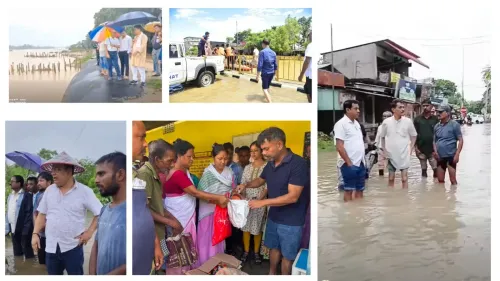
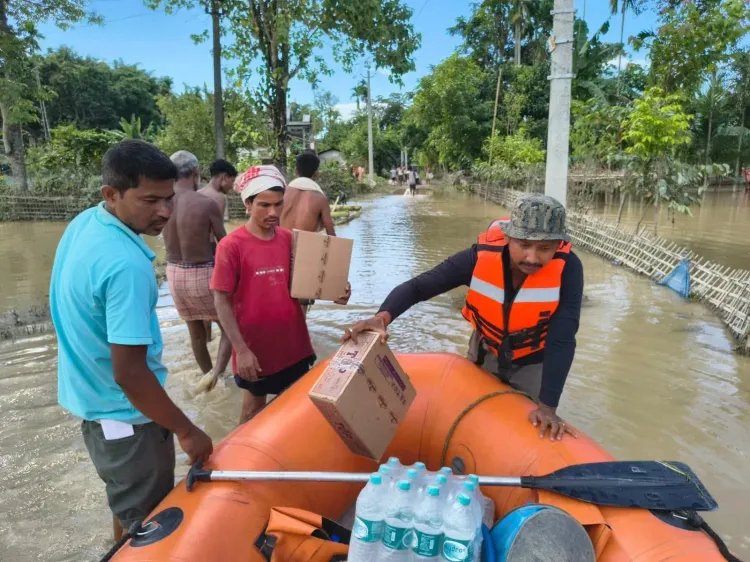
The Chief Minister's Office of Assam confirmed on 24 July 2026 that safe drinking water, food, medicines, and sanitary napkins are being distributed to flood-hit residents, while health camps provide medical care and veterinary teams attend to livestock across affected areas.
Key Takeaways
The Chief Minister's Office of Assam confirmed an active flood relief operation as of 24 July 2026 .
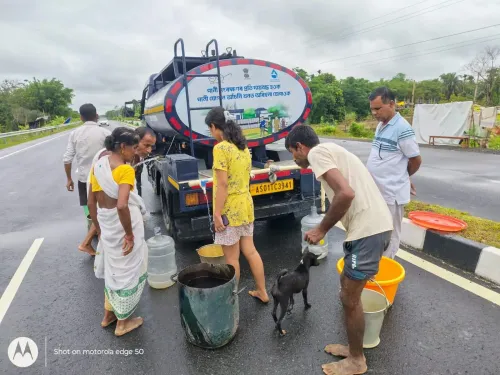
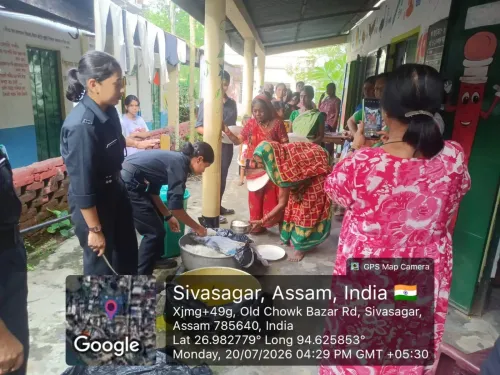
Safe drinking water, food, medicines, and sanitary napkins are being distributed to affected residents.
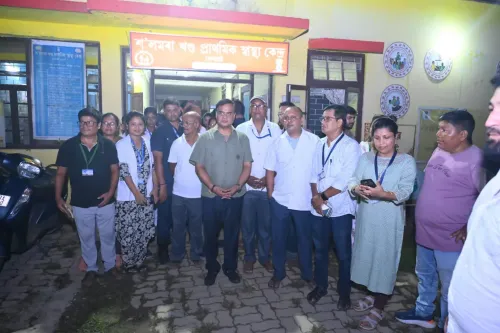
Health camps are operational to provide direct medical care to flood-hit populations.
Veterinary teams are conducting livestock check-ups and administering essential medicines to protect rural livelihoods.
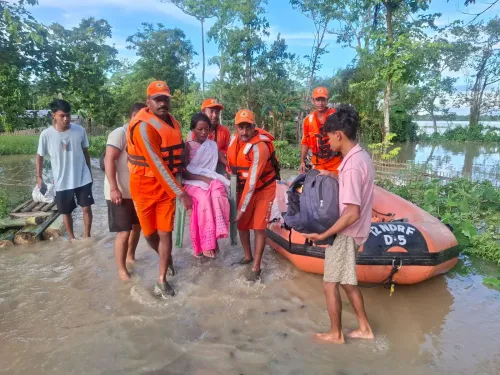
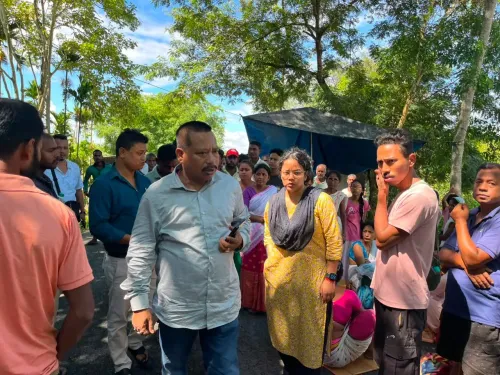
Rescue teams remain deployed across affected zones to assist people wherever required.
The response follows established state disaster management protocols activated each monsoon season along the Brahmaputra river basin.
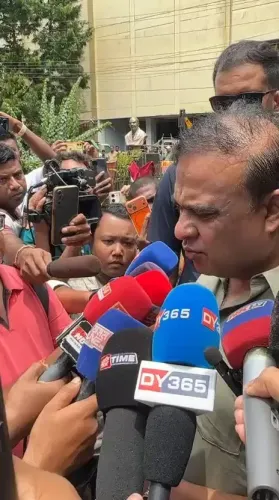
The Chief Minister's Office of Assam confirmed on Friday, 24 July 2026 that a multi-pronged relief operation is under way across flood-affected areas of the state, with essential supplies and medical services being extended to affected residents and their livestock. The update, shared as a reply to Chief Minister Himanta Biswa Sarma, details the scale of the ongoing humanitarian response.
Context
Assam endures annual monsoon flooding driven by the Brahmaputra river and its tributaries, a recurring crisis that displaces communities and disrupts livelihoods across the northeastern state. The CMO's post confirms that the current relief effort includes distribution of safe drinking water, food, medicines, and sanitary napkins to those in need. Rescue teams remain actively deployed across affected zones to assist wherever required.
The post states that health camps are providing direct medical care to flood-affected populations, while veterinary teams are conducting livestock check-ups and administering essential medicines — an acknowledgement that the rural economy's dependence on cattle makes animal welfare a critical dimension of disaster relief.
Policy Backdrop
Since Himanta Biswa Sarma assumed office as Chief Minister in May 2021, the state government has institutionalised multi-agency flood response protocols that integrate supply logistics, health services, and veterinary support. These operations are coordinated through the state's disaster management framework and are activated each monsoon season as water levels rise.
The inclusion of sanitary napkins in the relief package reflects a broader shift in Indian disaster management norms toward gender-sensitive humanitarian assistance, ensuring that women's needs are addressed alongside food and medicine. This aligns with guidelines issued under national disaster relief frameworks that recognise menstrual hygiene as a basic necessity during emergencies.
Stakeholders and Impact
The primary beneficiaries of the current operation are flood-affected residents of Assam, particularly those in low-lying districts vulnerable to the Brahmaputra's seasonal overflow. Access to clean drinking water is critical in flood conditions, where waterborne diseases pose an immediate public health risk.
Livestock owners form a second major stakeholder group. In Assam's agrarian communities, cattle and other animals represent significant economic assets, and veterinary interventions during floods help prevent disease outbreaks that could compound rural distress long after waters recede. The deployment of dedicated veterinary teams signals a comprehensive approach to recovery, not just immediate rescue.
What's Next
The CMO's statement that rescue teams 'remain deployed' suggests the relief operation is ongoing rather than concluded. Further government updates are expected as flood conditions evolve through the monsoon season, with attention likely to turn toward damage assessment, rehabilitation of displaced persons, and restoration of disrupted infrastructure once waters recede.
The scale and duration of the flood, and any expansion of relief measures to additional districts, will be key indicators of how the state government calibrates its response in the coming weeks.
Point of View
Protecting livestock is inseparable from protecting livelihoods. Taken together, the communication pattern suggests the CMO is positioning the state's flood response as both operationally comprehensive and politically visible.
NationPress
24 Jul 2026
Frequently Asked Questions
What relief is being provided to flood-affected people in Assam in 2026?
The Assam government is distributing safe drinking water, food, medicines, and sanitary napkins to flood-affected residents, while health camps offer medical care and rescue teams remain deployed to assist people in need.
Are veterinary services being provided during the Assam floods?
Yes, veterinary teams are conducting livestock check-ups and administering essential medicines in flood-affected areas, recognising that cattle and animals are critical economic assets for rural communities in Assam.
Which river causes flooding in Assam every year?
The Brahmaputra river and its tributaries are the primary cause of annual monsoon flooding in Assam, affecting large populations and agricultural land across the northeastern state.
Who is the Chief Minister of Assam overseeing flood relief?
Himanta Biswa Sarma has been the Chief Minister of Assam since May 2021 and is responsible for directing the state's annual flood relief and disaster management operations.
Why are sanitary napkins included in Assam flood relief kits?
Sanitary napkins are included as part of a gender-sensitive approach to disaster relief, ensuring women's basic hygiene needs are met during emergencies in line with broader national disaster management guidelines.