CM Assam: Round-the-Clock Flood Rescue Ops Underway
Synopsis
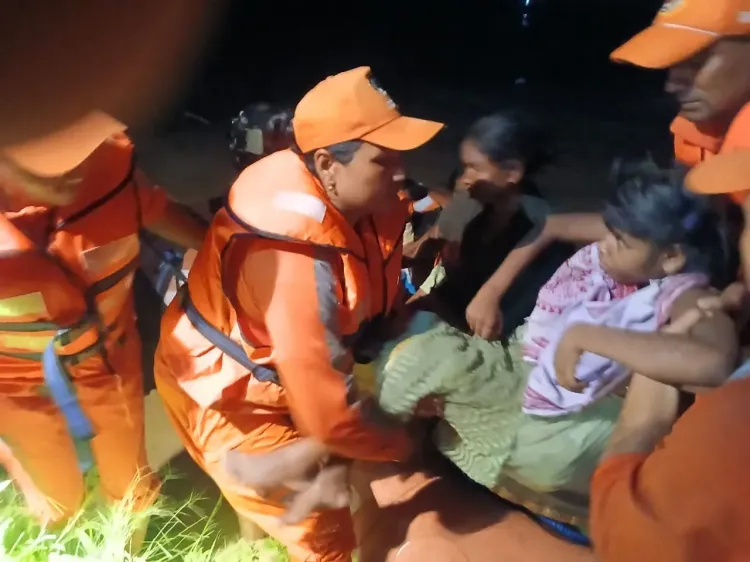
The Chief Minister's Office of Assam announced on 22 July 2026 that round-the-clock rescue and relief operations are underway across flood-hit areas, with all state agencies coordinating on the ground to protect lives and support affected families.
Key Takeaways
The Chief Minister's Office of Assam confirmed on 22 July 2026 that round-the-clock flood rescue and relief operations are ongoing.
All agencies, including the Assam SDMA , SDRF, and NDRF, are deployed on the ground in a coordinated response.
Chief Minister Himanta Biswa Sarma was directly tagged, signalling active executive oversight of the disaster response.
Assam faces recurrent annual monsoon flooding from the Brahmaputra river and its tributaries, affecting large rural populations.
The state's flood response framework follows NDMA guidelines (2009) , updated periodically to govern rescue, evacuation, and relief protocols.
Central Water Commission river-level data and potential central financial assistance are key developments to watch in coming days.
The Chief Minister's Office of Assam confirmed on Wednesday, 22 July 2026 that round-the-clock rescue and relief operations are ongoing across flood-affected districts of the state, with all agencies deployed on the ground to protect lives and support affected families.
Context
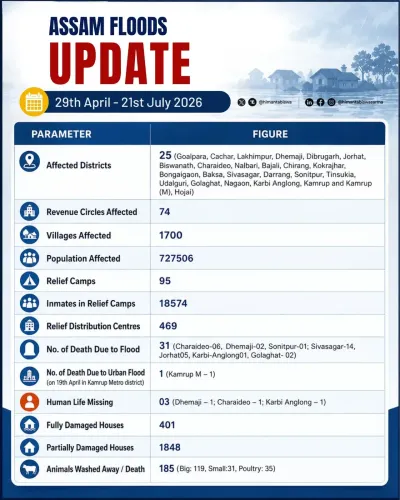
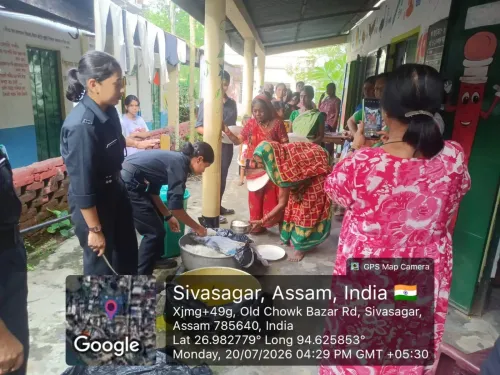
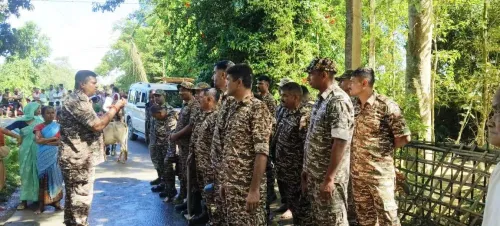
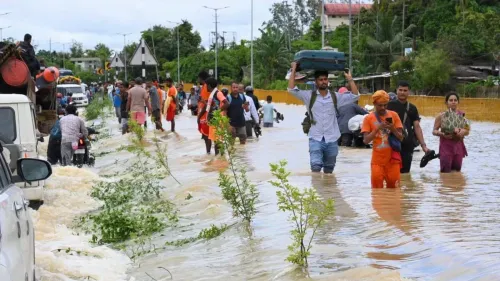
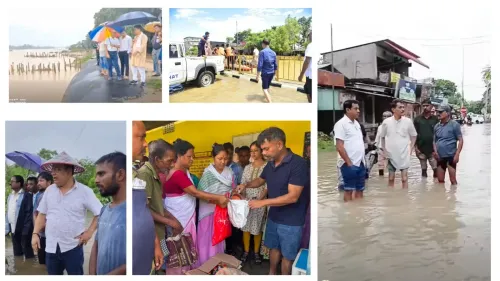
The CMO's post, tagging Chief Minister Himanta Biswa Sarma and the Assam State Disaster Management Authority (SDMA), signals active, coordinated state-level disaster response. The update emphasises continuous, 24-hour operations — a marker of the severity of the ongoing flood situation across the Brahmaputra basin and its tributaries. The post was accompanied by four images depicting ground-level rescue and relief activity.
Assam's flood season typically intensifies through July and August, when the Brahmaputra and its tributaries breach embankments and inundate low-lying rural areas across multiple districts. The CMO's social media communication serves as an official channel to signal inter-agency coordination and reassure affected populations.
Policy Backdrop
Assam's flood response framework is anchored in National Disaster Management Authority (NDMA) guidelines, first issued in 2009 and periodically updated, which set protocols for state-level preparedness, rescue deployment, and relief distribution. The Assam SDMA — tagged in the post — is the nodal state body responsible for planning and executing these measures in coordination with both state and national agencies.
In recent years, the state government has conducted annual pre-monsoon drills and maintained standing deployment of State Disaster Response Force (SDRF) and National Disaster Response Force (NDRF) teams across vulnerable zones. The pattern of official CMO updates accompanying peak-flood operations has been consistent across multiple monsoon seasons, reflecting a structured communications approach during emergencies.
Stakeholders and Impact
The primary stakeholders are flood-affected families and rural communities across Assam's river-basin districts, who depend on timely rescue, evacuation, and relief supplies during inundation events. The mention of 'all agencies working together' points to deployment of multiple arms of the state machinery — including district administration, SDRF, NDRF, and health services — in a unified command structure.
Chief Minister Himanta Biswa Sarma, who has helmed the state since May 2021, has made disaster-response communication a visible part of his administration's public engagement. The direct tagging of the SDMA in the official CMO post underlines institutional accountability and the authority's central role in ground coordination.
What's Next
Attention will now turn to Central Water Commission river-level bulletins, which will indicate whether flood waters are receding or intensifying across key gauging stations on the Brahmaputra and its tributaries. Any announcement of supplementary central assistance — including additional NDRF battalions or financial aid under the National Disaster Response Fund (NDRF) — will be closely watched in the days ahead.
As the monsoon season is far from over, sustained multi-agency coordination and timely relief distribution will be critical to limiting humanitarian impact across Assam's most vulnerable communities.
Point of View
Reducing the information vacuum that historically fuelled panic. The key test, however, remains on the ground: whether multi-agency coordination translates into timely evacuation and relief for the most isolated communities before the monsoon peaks.
NationPress
22 Jul 2026
Frequently Asked Questions
What is the current flood situation in Assam in July 2026?
The Chief Minister's Office of Assam confirmed on 22 July 2026 that flood-affected areas are witnessing round-the-clock rescue and relief operations, with all state agencies deployed on the ground. Specific district-level data and flood extent figures are being updated by the Assam SDMA.
Which agencies are involved in Assam flood rescue operations?
The Assam State Disaster Management Authority (SDMA) is the nodal coordinating body, working alongside the State Disaster Response Force (SDRF), National Disaster Response Force (NDRF), and district administration teams across affected areas.
What is the Assam SDMA and what does it do?
The Assam State Disaster Management Authority (SDMA) is the state-level body responsible for planning, coordinating, and implementing disaster preparedness, rescue, and relief measures in Assam, operating under the framework of NDMA national guidelines.
How does Assam manage annual monsoon floods?
Assam conducts pre-monsoon drills, maintains standing SDRF and NDRF deployments, and follows NDMA protocols first established in 2009. The state coordinates across district administration, health services, and central agencies during peak flood events.
Will the central government provide additional aid for Assam floods?
No announcement of supplementary central assistance has been made as of 22 July 2026. Potential aid under the National Disaster Response Fund and additional NDRF battalion deployment are being closely watched as the monsoon season continues.