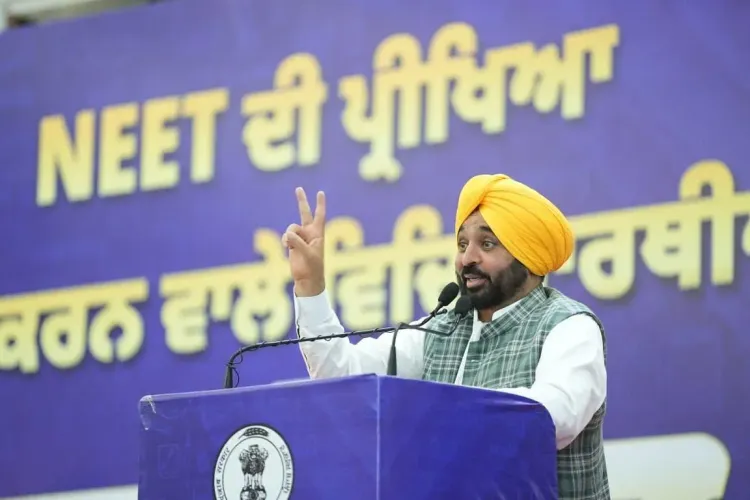
CM Bhagwant Mann Hails 882 Punjab Govt School Students Clearing NEET
Synopsis
Punjab Chief Minister Bhagwant Mann announced on 26 July 2026 that 882 students from state-run government schools cleared NEET this year — a first for Punjab — with all-India topper Aryan Gupta also hailing from the state, crediting teachers, parents and the AAP government's education push.
Key Takeaways
882 students from Punjab government schools cleared the NEET undergraduate medical entrance exam in 2026 , described by CM Mann as a historic first for state-run institutions.
Aryan Gupta , who secured the all-India first rank in NEET 2026, is from Punjab.
Chief Minister Bhagwant Mann attributed the results to student dedication, parental support, and teacher effort.
The AAP government has pursued education reforms in Punjab since March 2022 , drawing on elements of its earlier Delhi school-improvement model.
Mann pledged continued government support to help every child 'dream big and realise those dreams.' The results are being framed as central to the administration's vision of Ranglaa Punjab — a prosperous, opportunity-rich state.
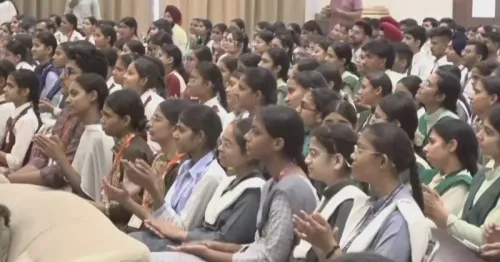
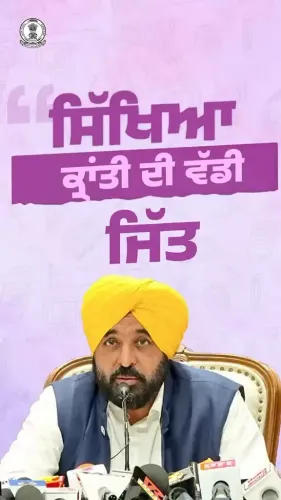
Punjab Chief Minister Bhagwant Mann on Sunday, 26 July 2026, celebrated what he described as a historic milestone for state-run schools, announcing that 882 students from government schools across Punjab had cleared the NEET undergraduate medical entrance examination this year — a first for the state, he said.
Context
Posting in Punjabi on X, Chief Minister Mann wrote: 'ਪੰਜਾਬ ਦੇ ਸਰਕਾਰੀ ਸਕੂਲਾਂ ਦੇ ਹੋਣਹਾਰ ਵਿਦਿਆਰਥੀਆਂ ਨੇ ਇੱਕ ਵਾਰ ਫਿਰ ਸਾਬਿਤ ਕਰ ਦਿੱਤਾ ਹੈ' ['The talented students of Punjab's government schools have once again proved it']. He specifically highlighted that Aryan Gupta, the student who secured the all-India first rank in NEET this year, is also from Punjab. Mann attributed the achievement to 'the dedication of our children, the support of parents, and the hard work of teachers.'
The Chief Minister reaffirmed his government's commitment, stating that 'every child will be given all necessary support to dream big and realise those dreams.' He framed the results as the 'true foundation of Ranglaa Punjab' — a phrase his administration uses to evoke a vibrant, prosperous Punjab.
Policy Backdrop
The Aam Aadmi Party, which has governed Punjab since March 2022, came to power with an explicit pledge to replicate in Punjab the education reforms it had pursued in Delhi from 2015 onwards. Those Delhi reforms focused on upgrading school infrastructure, teacher training, and expanding access to competitive-exam preparation for students in public institutions.
Since taking office, the Punjab government has directed resources toward government school upgrades, positioning improved NEET outcomes as evidence that the model is delivering results. The NEET examination is the sole gateway for admission to undergraduate medical programmes across India, making success in it a high-stakes marker of educational quality.
Stakeholders and Impact
The immediate beneficiaries are the 882 government school students who cleared NEET, gaining eligibility for medical college admissions that were historically dominated by students from private and coaching-intensive backgrounds. For their families — many of whom depend on state-funded schooling — the results represent access to professional pathways that were previously out of reach.
Teachers in Punjab's government schools are also central to the narrative Mann is building: the post credits their 'hard work' alongside student effort and parental support. The framing positions public-school educators as co-architects of the outcome, which carries significance for teacher morale and recruitment policy going forward.
What's Next
The Punjab government's next test will be sustaining and expanding this performance in successive NEET cycles. Observers will watch whether the state follows up with fresh budget allocations, structured coaching-support programmes for rural government schools, or scholarships for the qualifying students to pursue medical education. The 2027 NEET results will serve as the first independent benchmark of whether this year's numbers represent a durable trend or a single-year spike.
Point of View
Mann is doing more than celebrating students — he is building a counter-narrative to the long-held assumption that only private-school or coaching-institute students can compete at the national level. The timing, mid-term in his government's tenure, suggests a deliberate effort to bank credibility on education before the next electoral cycle. Whether the numbers hold up to independent scrutiny will determine how durable this political dividend proves to be.
NationPress
26 Jul 2026
Frequently Asked Questions
How many Punjab government school students cleared NEET 2026?
According to Chief Minister Bhagwant Mann, 882 students from Punjab government schools cleared the NEET 2026 examination, which he described as a historic first for state-run schools in Punjab.
Who is Aryan Gupta and why is he in the news?
Aryan Gupta is the student who secured the all-India first rank in NEET 2026. CM Bhagwant Mann highlighted that he is from Punjab, presenting his achievement as a point of pride for the state.
What is Ranglaa Punjab?
Ranglaa Punjab is a phrase used by the Bhagwant Mann government to describe its vision of a vibrant and prosperous Punjab. The CM invoked it in his post to frame education improvements as the foundation of that vision.
What education reforms has AAP introduced in Punjab since 2022?
Since forming the Punjab government in March 2022 , the Aam Aadmi Party has pledged to upgrade government school infrastructure, improve teacher support, and expand access to competitive-exam preparation, drawing on lessons from its earlier reforms in Delhi schools.
What is NEET and why does it matter for government school students?
NEET (National Eligibility cum Entrance Test) is the single national entrance examination for undergraduate medical admissions across India. For students from government schools — who typically have fewer resources than private-school peers — clearing NEET opens access to medical careers that were historically difficult to reach.