CM Bhagwant Mann inaugurates 120-bed Capitol Hospital in Moga
Synopsis
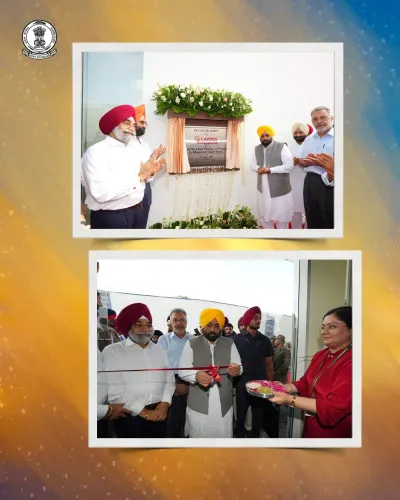
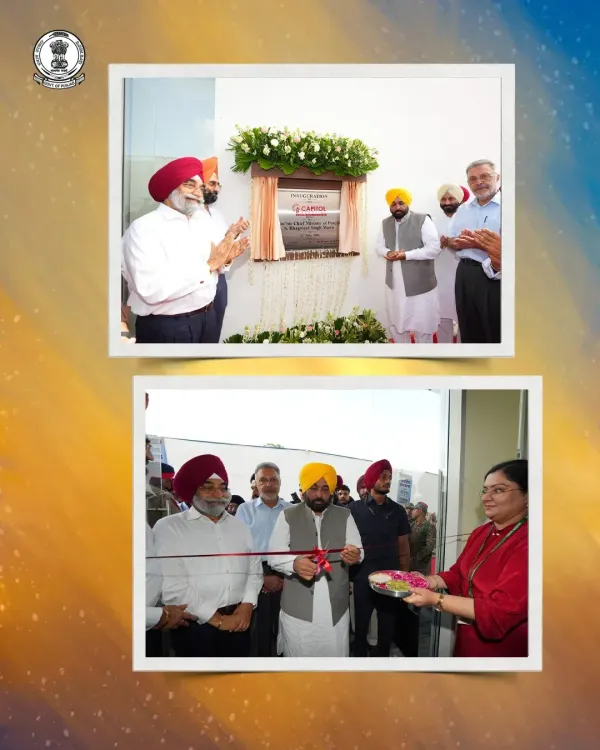
Punjab CM Bhagwant Singh Mann inaugurated the 120-bed Capitol Hospital in Moga on 26 July 2026. Patients can avail free cashless treatment up to ₹10 lakh under the Chief Minister's Health Scheme, eliminating the need to travel to distant cities for medical care.
Key Takeaways
CM Bhagwant Singh Mann inaugurated the 120-bed Capitol Hospital in Moga district on 26 July 2026 .
Patients at the hospital will receive free, cashless treatment worth up to ₹10 lakh under the Chief Minister's Health Scheme .
The facility is designed to end the need for Moga residents to travel to larger cities such as Ludhiana or Amritsar for secondary care.
The inauguration extends the AAP Punjab government's healthcare strategy, which began with Aam Aadmi Clinics at the primary care level in 2022 .
Rollout of similar 100-plus-bed district hospitals in other underserved districts is being watched as the next phase of the programme.
Punjab Chief Minister Bhagwant Singh Mann inaugurated the modern, 120-bed Capitol Hospital in Moga district on Sunday, 26 July 2026, expanding secondary healthcare access for residents of the region. Patients at the new facility will be eligible for free, cashless medical treatment worth up to ₹10 lakh under the state's Chief Minister's Health Scheme.
Context
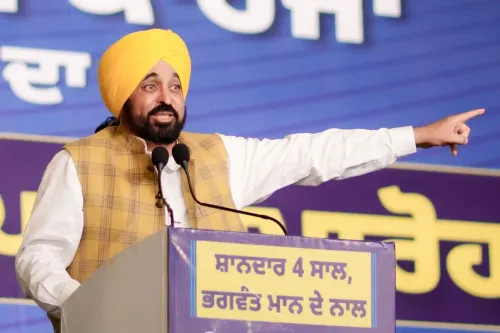
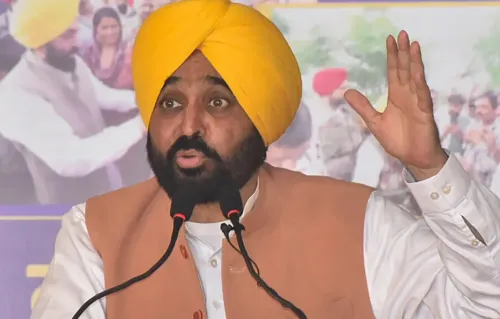
Speaking at the inauguration, CM Bhagwant Singh Mann said residents of the area would 'ਹੁਣ ਇਲਾਜ ਲਈ ਦੂਰ ਵੱਡੇ ਸ਼ਹਿਰਾਂ ਵਿੱਚ ਨਹੀਂ ਜਾਣਾ ਪਵੇਗਾ' — 'no longer need to travel to distant big cities for medical treatment.' The statement underscores a central argument of the Aam Aadmi Party government in Punjab: that quality secondary care must be available at the district level, not just in Chandigarh, Ludhiana, or Amritsar.
Moga, primarily an agrarian district in central Punjab, has historically seen patients travel long distances for procedures beyond basic primary care. The inauguration of Capitol Hospital is intended to address that gap by anchoring advanced inpatient services locally.
Policy Backdrop
The Chief Minister's Health Scheme provides cashless treatment coverage of up to ₹10 lakh per beneficiary at empanelled hospitals across Punjab. By empanelling Capitol Hospital under the scheme from the day of inauguration, the government ensures that even patients without private insurance can access the facility's full range of services without upfront payment.
This move fits within a broader healthcare expansion that the AAP administration began in 2022 with the rollout of Aam Aadmi Clinics — a network of primary care centres modelled on Delhi's mohalla clinic programme. While those clinics addressed outpatient and preventive care at the village and ward level, district hospitals such as Capitol Hospital are intended to handle the next tier: inpatient admissions, surgeries, and specialist consultations that primary clinics cannot provide.
Stakeholders and Impact
The most direct beneficiaries are Moga district's residents, who will gain access to 120 inpatient beds and cashless coverage for high-cost procedures without leaving the district. For rural and semi-urban households, the financial protection offered by the ₹10 lakh cashless ceiling can be the difference between seeking timely care and delaying treatment due to cost concerns.
Secondary beneficiaries include the broader network of public and empanelled private facilities in Punjab, which currently absorb referral patients from underserved districts. Reducing out-migration for care from Moga and neighbouring areas could ease pressure on tertiary centres in larger cities.
What's Next
The Punjab government is expected to track utilisation data at Capitol Hospital to assess how effectively the Chief Minister's Health Scheme coverage translates into actual cashless claims at the new facility. The rollout of comparable 100-plus-bed district hospitals in other underserved districts will be a key indicator of whether the model can be replicated at scale across the state.
Analysts and health-sector observers will watch whether this inauguration accelerates similar facility expansions ahead of the next state electoral cycle, and whether operational standards at the new hospital meet the expectations set at launch.
Point of View
Not just ribbon-cutting optics. For a largely agrarian district like Moga, where out-of-pocket health expenditure can devastate household finances, the political dividend of visible, local healthcare infrastructure is significant. The real test, however, will be operational: staffing, equipment maintenance, and claim settlement speed under the scheme will determine whether the facility delivers on its inauguration promise.
NationPress
26 Jul 2026
Frequently Asked Questions
What is Capitol Hospital Moga?
Capitol Hospital in Moga is a newly inaugurated modern 120-bed facility opened by Punjab CM Bhagwant Singh Mann on 26 July 2026 to provide advanced secondary healthcare to residents of Moga district and surrounding areas.
What is the Chief Minister's Health Scheme Punjab?
The Chief Minister's Health Scheme is a Punjab state government programme that provides free, cashless medical treatment worth up to ₹10 lakh per beneficiary at empanelled hospitals, including the newly opened Capitol Hospital in Moga.
Who inaugurated Capitol Hospital in Moga?
Punjab Chief Minister Bhagwant Singh Mann inaugurated Capitol Hospital in Moga district on 26 July 2026 .
What are Aam Aadmi Clinics in Punjab?
Aam Aadmi Clinics are a network of primary care centres launched by the AAP government in Punjab after 2022 , modelled on Delhi's mohalla clinic programme, to improve outpatient and preventive healthcare access at the village and ward level.
Will treatment at Capitol Hospital Moga be free?
Yes, patients at Capitol Hospital Moga can receive free, cashless treatment worth up to ₹10 lakh under the Chief Minister's Health Scheme , making advanced inpatient care accessible without upfront payment.