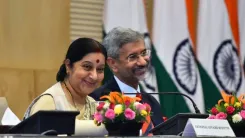
CM Bhagwant Mann Pushes Kandi Region as Punjab's Next Tourism Frontier
Synopsis
Chief Minister Bhagwant Mann chaired a Border and Kandi Area Development Board meeting on August 6, 2026, directing officers to accelerate tourism development and infrastructure modernisation in Punjab's Kandi and border areas, calling the foothill belt an 'ideal tourist destination' with global potential.
Key Takeaways
CM Bhagwant Mann chaired a meeting of the Border and Kandi Area Development Board on August 6, 2026 .
He directed officers to make 'concerted efforts' to promote tourism in the Kandi region and accelerate overall development.
Mann described the Kandi area as having 'immense potential to emerge as an ideal tourist destination, attracting visitors from across the globe.' The meeting also covered holistic development of Punjab's border areas alongside the Kandi belt.
The Border and Kandi Area Development Board is the state body mandated to plan and oversee investment in these geographically underserved zones.
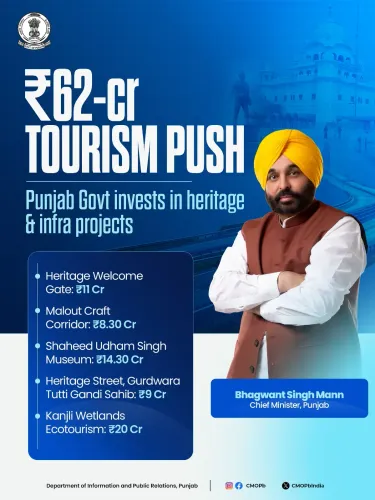
No specific project timelines or budget figures were announced from the meeting.
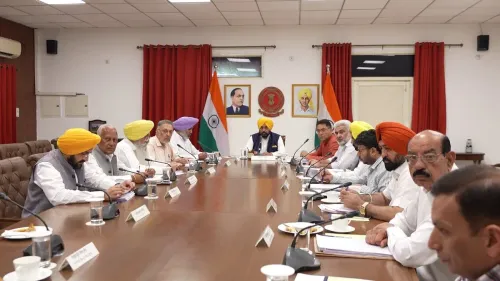
A foothill belt long defined by its agricultural struggles and geographic isolation is now being positioned as Punjab's next major tourist destination. Chairing a meeting of the Border and Kandi Area Development Board on Thursday, August 6, 2026, Chief Minister Bhagwant Singh Mann directed officers to mount a concerted push for tourism development and infrastructure modernisation across the state's Kandi and border areas.
Speaking at the meeting, CM Mann was direct: 'The Kandi area has immense potential to emerge as an ideal tourist destination, attracting visitors from across the globe, and the state government is making all-out efforts to further develop this region and harness its vast tourism potential. No stone is being left unturned to develop the region and modernise its infrastructure.'
What the Kandi Belt Is — and Why It Has Been Overlooked
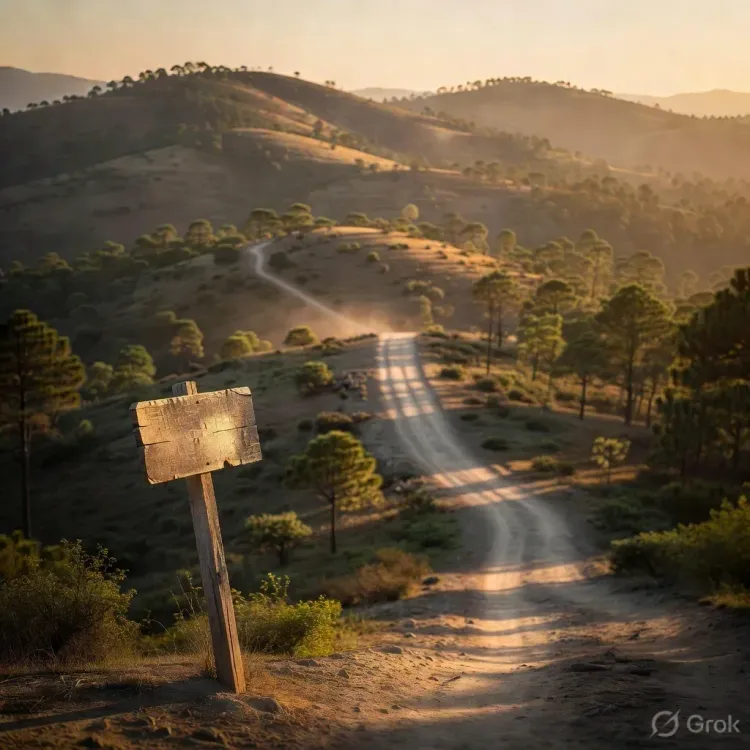
The Kandi region is a sub-mountainous foothill belt that runs along the Shivalik range in Punjab. Historically underserved relative to the state's fertile plains, the area has faced persistent infrastructure deficits and limited economic diversification beyond subsistence farming. The Border and Kandi Area Development Board was created precisely to bridge this gap — a state-level body mandated to channel planned investment into regions that standard development cycles tend to bypass. Punjab governments across administrations have maintained dedicated boards and schemes for these zones, acknowledging that geography alone creates structural disadvantage. What the current Aam Aadmi Party government under Mann is now layering onto that foundation is an explicit tourism lens — an attempt to convert the Kandi's natural landscape into an economic engine.Tourism as an Agricultural Alternative
The pitch is straightforward: the Kandi belt's proximity to the Shivaliks, its relative quiet, and its scenic character make it a credible candidate for eco-tourism and heritage tourism circuits. Punjab has long been associated with its agricultural heartland, but successive administrations have recognised the limits of an economy built almost entirely on wheat and rice. Tourism in geographically distinctive zones like Kandi offers a path toward income diversification for local communities. The board meeting signals that this is now a coordination priority — not just a policy aspiration — with officers being held accountable for accelerating delivery.What Comes Next for the Board
The Chief Minister's Office has not announced specific project timelines or budget figures from the meeting. The key watch-point is whether the board's renewed mandate translates into visible on-ground movement: tourism infrastructure, road connectivity, and hospitality facilities that can actually draw visitors. Mann's directive to 'make concerted efforts' sets a political marker — follow-up board meetings and project announcements will reveal whether the momentum holds. For a region that has waited long for its turn in Punjab's development story, the question is no longer about intent. It is about execution.Point of View
The government is attempting to reposition an agricultural-dependency narrative into an opportunity story. The Border and Kandi Area Development Board provides institutional cover for accountability, but the real test is project-level execution, which Punjab administrations across parties have repeatedly struggled to sustain past the announcement stage. If the board produces concrete tourism infrastructure within a credible timeframe, it would mark a meaningful departure from the cycle of repeated pledges this region has seen.
NationPress
6 Aug 2026
Frequently Asked Questions
What is the Kandi region in Punjab?
The Kandi region is a sub-mountainous foothill belt along the Shivalik range in Punjab. It is historically underserved compared to the state's fertile plains and has been a focus of dedicated development boards due to its geographic and economic challenges.
What is the Border and Kandi Area Development Board?
The Border and Kandi Area Development Board is a state-level body in Punjab mandated to plan and oversee development works in the state's border districts and the Kandi foothill belt, channelling investment into areas that standard development cycles tend to bypass.
What did CM Bhagwant Mann announce for the Kandi region?
CM Bhagwant Mann directed officers at a board meeting on August 6, 2026 to make concerted efforts to promote tourism in the Kandi region and accelerate infrastructure modernisation, calling it an 'ideal tourist destination' with potential to attract global visitors.
Why is tourism being promoted in the Kandi region?
Tourism is being promoted as a way to diversify the Kandi region's economy beyond subsistence agriculture. The area's proximity to the Shivaliks and its natural landscape make it a candidate for eco-tourism and heritage tourism, offering income alternatives for local communities.
What are the next steps for Kandi development after the board meeting?
No specific project timelines or budgets were announced. The key developments to watch are follow-up board meetings, specific tourism infrastructure projects, and road connectivity improvements that would signal concrete progress beyond the policy directive.