CM Bhagwant Mann Reaffirms Welfare Pledges at Mukerian Rally
Synopsis
Punjab Chief Minister Bhagwant Mann addressed a gathering in Mukerian on 15 July 2026, reaffirming AAP's delivery on election pledges — free electricity, women's monthly grants, school upgrades, health expansion, and daytime farm power — and vowing to make Punjab number one in every field.
Key Takeaways
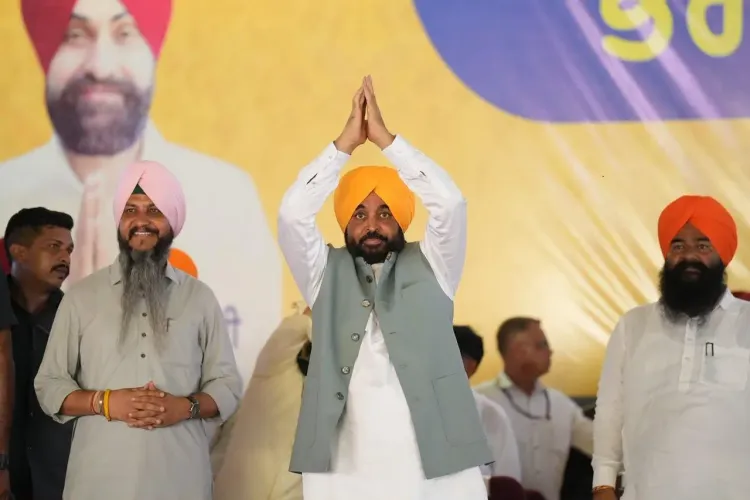
Bhagwant Mann addressed a public gathering in Mukerian, Hoshiarpur district on 15 July 2026 .
He reaffirmed six welfare commitments: free electricity, better government schools, women's monthly honour grant, expanded health facilities, daytime power for farmers, and broad welfare work.
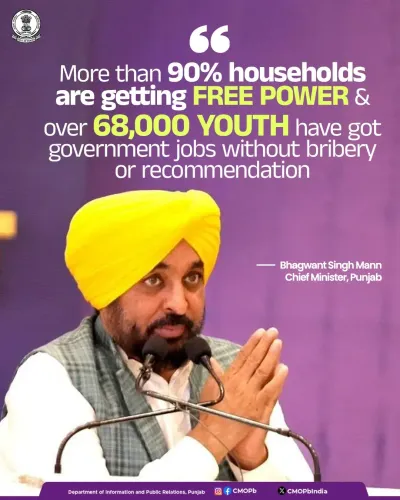
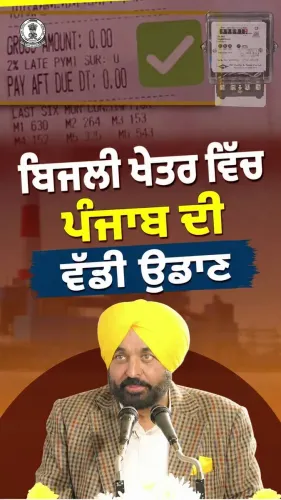
The free electricity scheme provides up to 300 units per month to domestic consumers and has been in place since mid-2022 .
Mann stated his politics is 'not for the chair but for the progress of the people of Punjab.' The outreach is part of AAP's pre-election strategy ahead of the 2027 Punjab assembly elections .
He closed with the rallying call Inquilab Zindabad , signalling a populist, movement-style political tone.
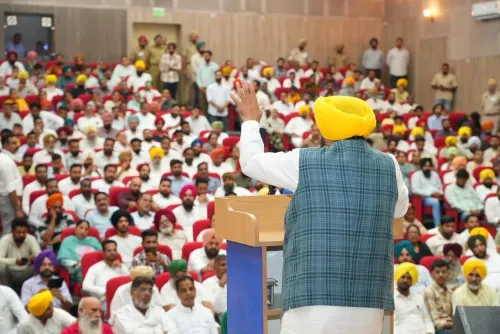
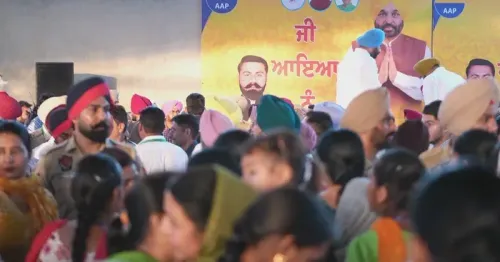
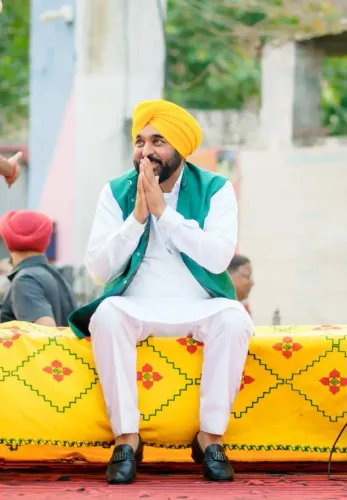
Punjab Chief Minister Bhagwant Mann addressed a public gathering in Mukerian, Hoshiarpur district, on Wednesday, 15 July 2026, reaffirming his government's commitment to delivering on election promises and declaring that the love and trust of the people there was his greatest strength.
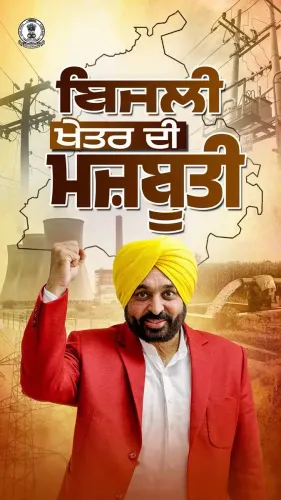
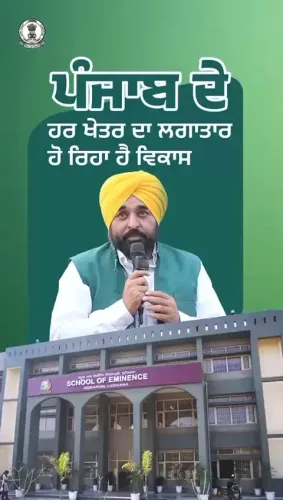
Posting in Punjabi on X, Mann wrote: 'ਮੁਕੇਰੀਆਂ ਦੀ ਪਵਿੱਤਰ ਧਰਤੀ 'ਤੇ ਮਿਲਿਆ ਤੁਹਾਡਾ ਪਿਆਰ ਤੇ ਵਿਸ਼ਵਾਸ ਮੇਰੇ ਲਈ ਸਭ ਤੋਂ ਵੱਡੀ ਤਾਕਤ ਹੈ' ['The love and trust I received on the sacred soil of Mukerian is my greatest strength']. He listed six ongoing welfare initiatives — free electricity, improved government schools, a monthly women's honour grant, expanded health facilities, daytime power for farmers, and continuous work for the welfare of every section of society.
Context
Mann's visit to Mukerian is part of a broader public outreach by the Aam Aadmi Party (AAP) government ahead of the 2027 Punjab assembly elections. The constituency falls in Hoshiarpur district, a region with a significant farming community and a history of competitive multi-party contests. Outreach visits by the Chief Minister to smaller towns have become a regular feature of AAP's governance communication strategy in Punjab.
In his post, Mann drew a sharp distinction between his political purpose and conventional power-seeking: 'ਮੇਰੀ ਰਾਜਨੀਤੀ ਕੁਰਸੀ ਲਈ ਨਹੀਂ, ਪੰਜਾਬ ਦੇ ਲੋਕਾਂ ਦੀ ਤਰੱਕੀ ਲਈ ਹੈ' ['My politics is not for the chair, but for the progress of the people of Punjab']. He closed with the rallying cry 'Inquilab Zindabad' ['Long live the revolution'].
Policy Backdrop
The welfare commitments Mann cited trace directly to the AAP 2022 Punjab election manifesto, which promised 300 units of free electricity per month to domestic consumers, upgraded government school infrastructure, and daytime power supply for the farming community. The state government began rolling out the free power scheme from mid-2022 onward, replacing and restructuring subsidy arrangements that had existed under the previous Congress government (2017–2022).
The women's honour amount — a monthly financial assistance grant to eligible women — forms part of AAP's direct-benefit welfare architecture, mirroring similar schemes the party has promoted in Delhi. Health infrastructure expansion has been positioned as a complement to the Mohalla Clinic model, adapted for Punjab's semi-urban and rural geography.
Stakeholders and Impact
The primary beneficiaries of the schemes Mann referenced span several constituencies: Punjab households receiving free power, women enrolled in the monthly honour grant, farmers dependent on daytime electricity for irrigation, and students in government schools undergoing infrastructure upgrades. Together these groups represent a large share of the state's electorate, and AAP has consistently framed scheme delivery as the metric of governance success.
Opposition parties — including the Shiromani Akali Dal and the Indian National Congress — have periodically questioned the fiscal sustainability of the free power subsidy and the pace of school renovation. Mann's post implicitly addresses such criticism by foregrounding continuity: 'ਜੋ ਵਾਅਦੇ ਕੀਤੇ, ਉਹ ਪੂਰੇ ਕਰ ਰਹੇ ਹਾਂ' ['The promises made, we are fulfilling them'].
What's Next
With the 2027 Punjab assembly elections approaching, the state government's 2026–27 budget allocations for power subsidies, school infrastructure, and health expansion will be closely watched as indicators of whether the welfare pipeline can be sustained at its current scale. Mid-term reviews of the free electricity programme and any revision to the women's grant amount are expected to be key political markers in the months ahead.
Mann's message — that Punjab will be made 'number one in every field' — sets a benchmark his administration will be measured against as election season draws closer, making scheme delivery and public outreach events like the Mukerian gathering central to AAP's political strategy in the state.
Point of View
Women's grants, school upgrades — he is converting governance into a campaign narrative well before the 2027 cycle formally begins. The 'promises made, promises kept' framing is AAP's core differentiator from both the Akali Dal and Congress eras, and repeating it in a smaller constituency like Mukerian suggests the party is working to consolidate semi-urban and rural pockets beyond its traditional strongholds. The rhetorical rejection of 'chair politics' also serves a defensive function, pre-empting criticism of incumbency fatigue. Whether scheme delivery can sustain this narrative through to 2027 will depend on the state's fiscal headroom in the coming budget cycle.
NationPress
15 Jul 2026
Frequently Asked Questions
What did Bhagwant Mann say at the Mukerian rally?
Mann said the love and trust he received in Mukerian was his greatest strength, and listed six ongoing welfare schemes — free electricity, improved government schools, a women's monthly honour grant, expanded health facilities, daytime power for farmers, and continuous welfare work for all sections of society.
What is the Punjab free electricity scheme?
The Punjab government's free electricity scheme provides up to 300 units of free power per month to domestic consumers. It was a key AAP election promise and has been in implementation since mid-2022.
What is the women's honour amount in Punjab?
The women's honour amount is a monthly financial assistance grant provided by the Punjab government to eligible women, forming part of AAP's direct-benefit welfare commitments made in the 2022 election manifesto.
Why is Bhagwant Mann visiting Mukerian?
Mukerian is an assembly constituency in Hoshiarpur district with a significant farming population. Mann's visit is part of regular public outreach by the AAP government, which has intensified as the 2027 Punjab assembly elections approach.
When are the next Punjab assembly elections?
The next Punjab assembly elections are scheduled for 2027. The current AAP government, led by Bhagwant Mann, came to power in March 2022 after defeating the Congress and SAD-BJP combine.