CM Bhagwant Mann tables bill to curb Punjab private school excesses
Synopsis
Punjab CM Bhagwant Mann has introduced a bill in the Vidhan Sabha to curb private school profiteering — banning uniform changes for three years and mandatory vendor tie-ups — promising relief to parents of 32 lakh children, while citing 882 government-school NEET qualifiers as proof of the state's rising public education standard.
Key Takeaways
Punjab CM Bhagwant Mann announced a bill in the Punjab Vidhan Sabha on 10 August 2026 to regulate private school practices.
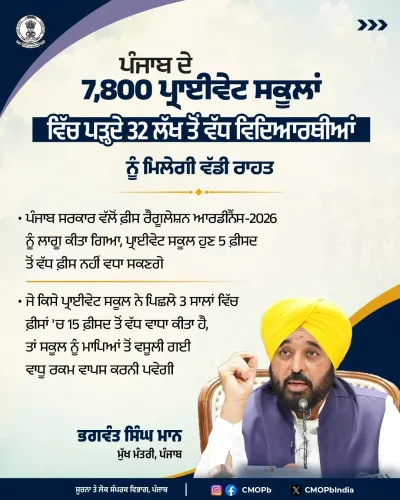
Private schools will be barred from changing uniforms for at least 3 years under the proposed legislation.
Schools will also be prohibited from forcing parents to purchase supplies from any specific or designated vendor.
The bill is expected to benefit parents of approximately 32 lakh children enrolled in private schools across Punjab.
882 students from Punjab government schools cleared the NEET medical entrance exam, cited as evidence of the state's improving public education system.
Mann claimed Punjab now ranks first in the country in education, continuing AAP's government-school transformation agenda.
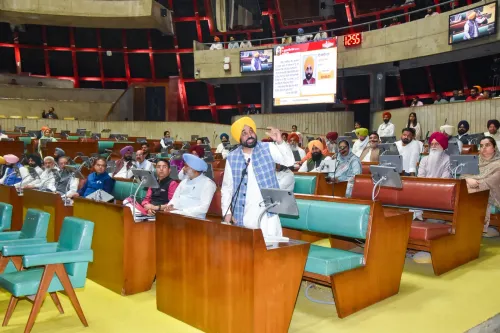
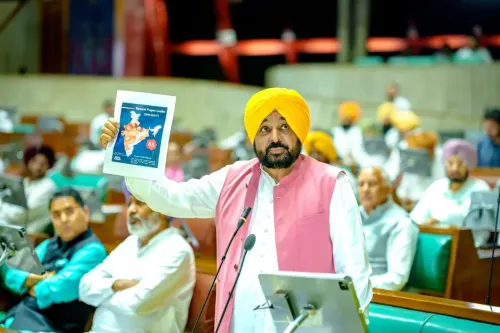
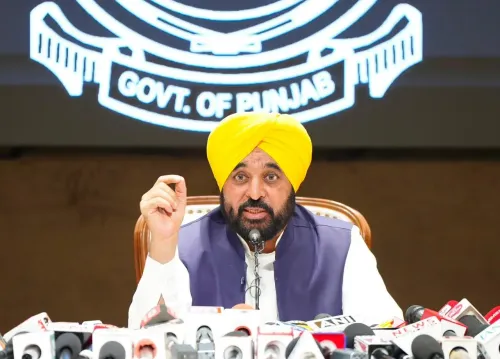
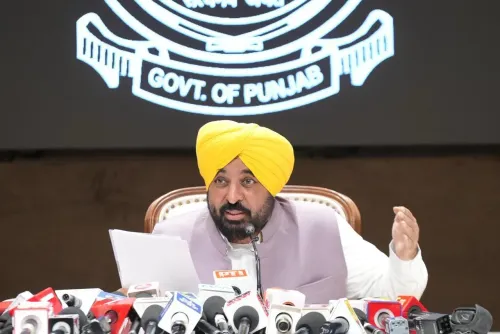
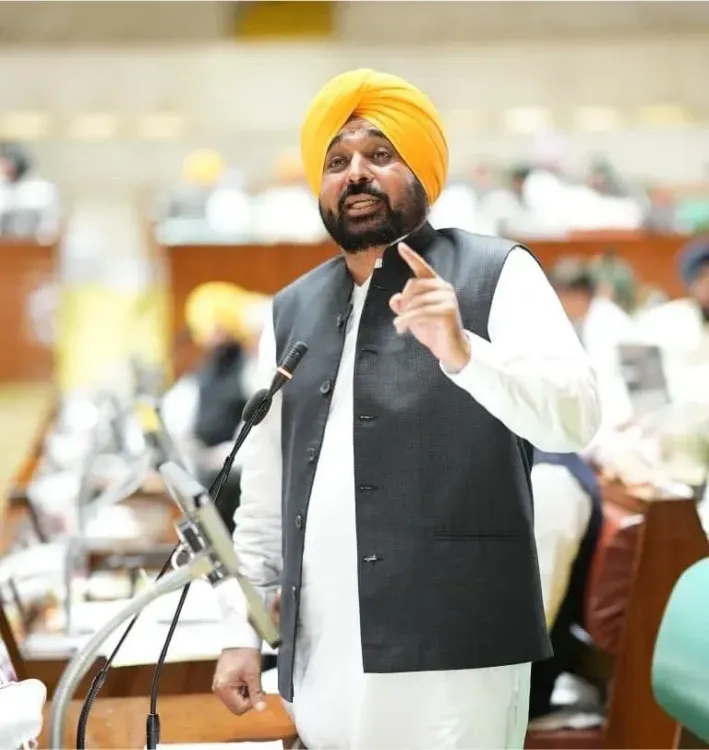
Education, Punjab Chief Minister Bhagwant Mann declared on Monday, 10 August 2026, is a treasure that can never be stolen — and his government intends to keep it that way. Mann announced that a significant bill has been introduced in the Punjab Vidhan Sabha to rein in arbitrary practices by private schools, promising relief to the parents of an estimated 32 lakh children across the state.
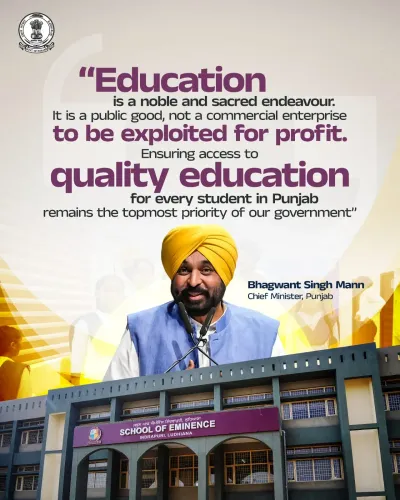
Posting in Punjabi, Mann framed the legislation as a direct strike against the commercialisation of schooling: 'ਅਸੀਂ ਸਿੱਖਿਆ ਨੂੰ ਮੁਨਾਫ਼ਾਖੋਰੀ ਦਾ ਸਾਧਨ ਨਹੀਂ ਬਣਨ ਦੇਵਾਂਗੇ' — 'We will not allow education to become a tool of profiteering.' The post laid out two concrete restrictions the bill would impose: no private school will be permitted to change its uniform for at least three years, and schools will be barred from compelling parents to buy supplies from any designated shop.
The uniform-and-vendor racket the bill targets
For years, parents in Punjab and across India have flagged a well-worn private school playbook: change the uniform every year or two, tie up with a specific vendor, and pocket a margin on every purchase. The practice forces families to spend thousands of rupees on items that become obsolete by design. Mann's bill, if passed and enforced, would legally sever both levers — the artificial churn of uniforms and the captive-vendor arrangement — that drive up the hidden cost of private schooling.
Multiple Indian states have moved against similar practices, but legislation has often stalled or been challenged in court by school management associations. The Right of Children to Free and Compulsory Education Act, 2009 established baseline norms for private school conduct, yet enforcement has remained patchy. Punjab's bill would add a state-level layer of accountability on top of that national framework.
882 NEET qualifiers and Punjab's number-one ranking
Mann paired the regulatory announcement with a claim about the state of public education itself: Punjab, he said, now ranks first in the country in education. As evidence, he cited 882 students from government schools clearing the NEET medical entrance examination — a metric that carries particular weight because government-school NEET results have historically lagged far behind private coaching-backed peers.
The Aam Aadmi Party has made the transformation of government schools a signature plank since its Delhi years beginning in 2015, investing heavily in infrastructure, teacher training, and outcomes-based accountability. Punjab, where AAP swept to power in 2022, has followed a similar template — positioning public school improvement and private sector regulation as two sides of the same coin. A stronger government system, the argument goes, gives parents a credible alternative and reduces their dependence on — and vulnerability to — private school pricing power.
What parents and school managements watch next
The bill's introduction is the opening move; passage, rule-making, and implementation are the harder acts. School management associations in several states have successfully challenged similar regulations in high courts, arguing interference with institutional autonomy. The real test for Punjab's legislation will come in those subsequent stages — and in whether next year's enrollment data and NEET results back up the government's headline numbers.
For now, Mann's message to 32 lakh families is unambiguous: the days of the annual uniform swap and the mandatory vendor list are numbered. Whether the Vidhan Sabha and the courts agree will determine how quickly that promise lands in school corridors.
Point of View
Mann is making an electoral argument as much as a policy one — that the state can be trusted to educate Punjab's children without families paying a premium to the private sector. The uniform-and-vendor restrictions are low-hanging fruit that generate immediate, tangible goodwill among middle-class parents, even before the deeper question of fee regulation is settled. The real stress test arrives when school associations mount legal challenges, a pattern that has blunted similar legislation elsewhere in India.
NationPress
10 Aug 2026
Frequently Asked Questions
What does the Punjab private school bill introduced in August 2026 do?
The bill introduced in the Punjab Vidhan Sabha prohibits private schools from changing their uniforms for at least three years and bars them from directing parents to buy supplies from specific vendors, aiming to reduce the hidden financial burden on families.
How many children will benefit from the Punjab private school regulation bill?
Punjab CM Bhagwant Mann stated the bill will provide relief to parents of approximately 32 lakh children enrolled in private schools across the state.
How many government school students cleared NEET in Punjab?
CM Bhagwant Mann cited 882 students from Punjab government schools clearing the NEET medical entrance examination as evidence of the state's improving public education quality.
What is AAP's track record on private school regulation?
The Aam Aadmi Party began regulating private school fees and upgrading government schools in Delhi from 2015 onward. After winning Punjab in 2022 , AAP extended a similar model to the state, focusing on legislative and budgetary tools to strengthen public schooling.
Can private schools challenge the Punjab education bill in court?
Yes. School management associations in several Indian states have challenged similar regulations in high courts on grounds of institutional autonomy. The Punjab bill will face scrutiny during rule-making and potential legal proceedings after passage.