UNAMA report: Afghanistan security bodies lack transparency since 2021

Synopsis
A UN mission report has found that Afghanistan's Taliban-run security bodies have taken some disciplinary steps since August 2021 — but with so little public transparency that deterrence is effectively undermined. With women facing compounded barriers to reporting and many complaints unresolved, the accountability gap is structural, not incidental.
Key Takeaways
UNAMA released its report on 10 August , covering security-sector accountability in Afghanistan since August 2021 .
The de facto authorities have established oversight bodies, but these have not provided sufficient public information on complaints or disciplinary actions.
Many complaints reportedly remain unresolved; fear of reprisals deters reporting, especially among women.
Georgette Gagnon , Officer-in-Charge of UNAMA, warned that limited transparency 'undermines confidence and weakens deterrence.' UNAMA recommended uniform codes of conduct, accessible complaints mechanisms, and protection for victims and whistleblowers.
The United Nations Assistance Mission in Afghanistan (UNAMA) on Monday, 10 August released a report examining accountability measures within Afghanistan's security institutions since the Taliban assumed control in August 2021. The report found that while the de facto authorities have taken some disciplinary steps, these have not been matched by adequate transparency or public oversight.
Key Findings of the Report
UNAMA acknowledged that the de facto authorities have issued directives and established internal monitoring units within major security institutions. New bodies were also set up specifically to address misconduct among security personnel. However, the mission concluded that these measures have fallen short of meaningful accountability.
According to the report, bodies including the de facto Security and Filtration Commission, the de facto High Directorate of Supervision and Monitoring of Decrees and Edicts, the de facto Ministry of Propagation of Virtue and Prevention of Vice (MPVPV) Commission for Hearing Complaints, and the de facto Supreme Court have not provided sufficient public information on their oversight activities.
Complaints Left Unresolved, Fear of Reprisals Persists
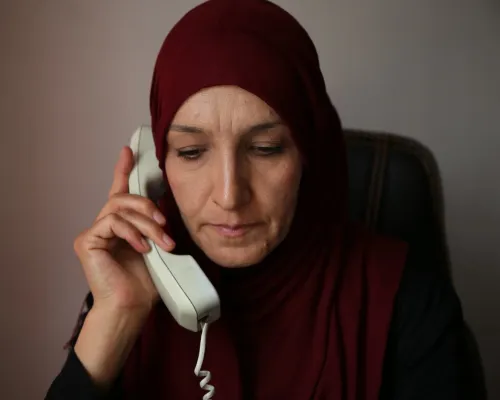
The report documented instances where authorities conducted arrests and investigations into reported misconduct by security personnel. Yet it also noted that many complaints reportedly remain unresolved. Fear of reprisals, a lack of trust in de facto institutions, and structural barriers — particularly for women, who face multiple restrictions in daily life — continue to discourage individuals from reporting alleged misconduct.
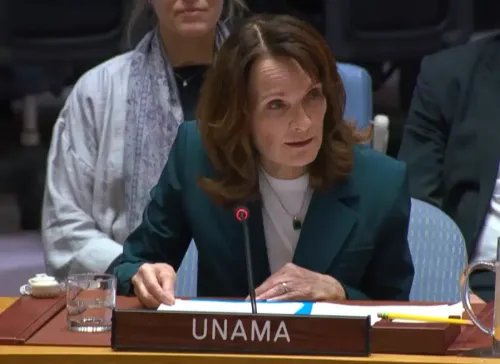
Georgette Gagnon, Deputy Special Representative of the Secretary-General and Officer-in-Charge of UNAMA, said: 'The limited amount of public information on complaints received, investigations conducted, and disciplinary or judicial actions taken by relevant de facto bodies undermines confidence and weakens deterrence.'
What the Report Recommends
UNAMA called on Afghanistan's authorities to strengthen accountability across all security institutions by ensuring clear rules, procedures, and codes of conduct — consistent with international standards — are uniformly applied. The mission also recommended the establishment of accessible, safe, and inclusive complaints mechanisms that allow all individuals, regardless of gender, to report concerns without fear of retaliation or discrimination.
The report further stressed the need for robust protection of victims, witnesses, and whistleblowers — a provision notably absent from current de facto institutional frameworks.
Broader Context
This report covers the period from August 2021, when the Taliban returned to power following the withdrawal of US-led forces, to the present. Afghanistan's security sector has since operated outside internationally recognised legal frameworks, with the United Nations and other bodies repeatedly flagging human rights concerns. This is among the most detailed UN assessments of internal disciplinary mechanisms within Taliban-run institutions since the takeover.
The findings are likely to inform ongoing international deliberations on engagement with Afghanistan's de facto government, particularly as pressure mounts over the treatment of women and minorities.
Point of View
Which may be a more damning finding. Institutions that exist on paper but publish nothing about their work are not accountability mechanisms; they are accountability theatre. The specific callout of barriers for women is significant: in a system that has systematically restricted women from public life, a complaints process that women cannot safely access is no process at all. Four years after the Taliban takeover, the international community still lacks a coherent leverage point — and reports like this, while valuable, risk becoming rituals of documentation rather than drivers of change.
NationPress
10 Aug 2026
Frequently Asked Questions
What did the UNAMA report on Afghanistan find?
The UNAMA report, released on 10 August, found that Afghanistan's de facto security institutions have taken some steps toward accountability since August 2021 but lack sufficient transparency on oversight measures. Many complaints reportedly remain unresolved, and key bodies have not made public information on investigations or disciplinary actions.
Which de facto bodies did UNAMA examine?
UNAMA examined the de facto Security and Filtration Commission, the de facto High Directorate of Supervision and Monitoring of Decrees and Edicts, the de facto MPVPV Commission for Hearing Complaints, and the de facto Supreme Court. All were found to have provided limited public information on their accountability activities.
Why are many Afghans not reporting misconduct by security personnel?
According to the report, fear of reprisals, a lack of trust in de facto institutions, and structural barriers — particularly for women, who face multiple daily-life restrictions — discourage individuals from reporting alleged misconduct. Many complaints that are filed reportedly remain unresolved.
What does UNAMA recommend for Afghanistan's security institutions?
UNAMA recommended that the de facto authorities establish clear, internationally consistent rules and codes of conduct applied uniformly across all security institutions. It also called for safe, accessible, and gender-inclusive complaints mechanisms with strong protections for victims, witnesses, and whistleblowers.
Why does this report matter for international engagement with Afghanistan?
The report is one of the most detailed UN assessments of Taliban-run security institutions since the August 2021 takeover. Its findings are expected to inform international deliberations on how — and whether — to engage with the de facto government, particularly given ongoing concerns about human rights and the treatment of women.