UN flags mass detention of women in Herat over dress code violations
Synopsis
At least 21 women and girls were detained in Herat by Taliban morality police for alleged dress code violations — prompting a rare public rebuke from UNAMA. The arrests, which reportedly include a hospital nurse, are the sharpest visible sign yet of the Taliban's intensifying enforcement of its morality law, even as Afghan girls sit out university exams for the fourth straight year.
Key Takeaways
UNAMA publicly condemned the detention of women in Herat, Afghanistan on 8 June , citing serious human rights concerns.
At least 21 women and girls were reportedly arrested by Taliban morality police across multiple Herat locations for alleged dress code non-compliance.
Among those detained is reportedly a nurse from Herat Regional Hospital .
A Taliban directive ordered male family members to enforce dress requirements; violations can result in transfer to a women's detention facility.
On 4 June , Afghanistan's Kankor university entrance exam was held for the fourth consecutive year without female participation.
Since seizing power in 2021 , the Taliban has banned girls from secondary schools beyond grade six and barred women from universities.
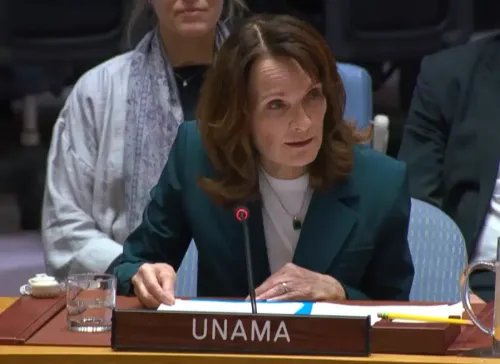
The United Nations Assistance Mission in Afghanistan (UNAMA) has raised serious human rights concerns over the mass detention of women and girls in Herat by Taliban morality police for alleged non-compliance with dress requirements. The statement, issued on 8 June, follows reports that at least 21 women and girls were arrested across multiple locations in the western Afghan city.
What Happened in Herat
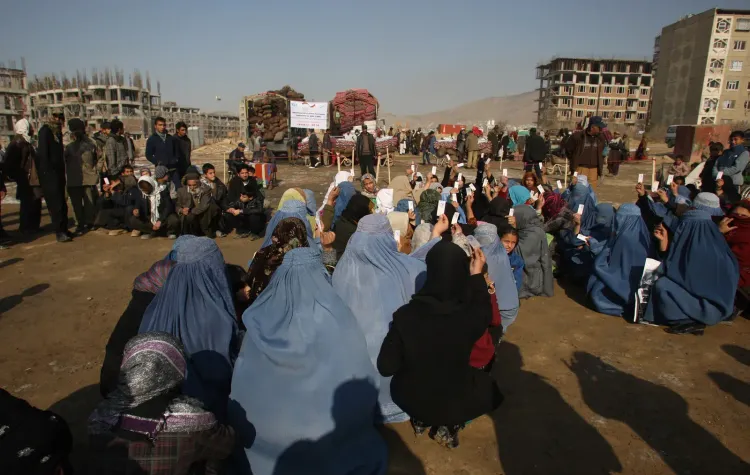
According to reports citing local sources, Taliban morality police detained at least 21 women and girls in several parts of Herat, including the southern road, Almas Market, and the Qasr area. Among those reportedly detained was a nurse employed at Herat Regional Hospital. The detentions followed a directive issued by the Taliban's Directorate for the Promotion of Virtue and Prevention of Vice in Herat, which ordered male family members to ensure women comply with the Taliban's interpretation of Islamic dress requirements.
Under the directive, women seen in public without a prayer veil, with uncovered faces, wearing tight clothing, or wearing makeup could face detention and transfer to a women's detention facility, according to reports.
What UNAMA Said
In a post on X, UNAMA stated it was 'concerned over multiple arrests and detentions of women in Herat for alleged non-compliance with dress requirements, which raises serious human rights concerns.' The mission added: 'We remind the de facto authorities that all people have the right to freedom of movement and that all persons, both women and men, are entitled to equality before the law.'
Broader Pattern of Restrictions
The Herat detentions are part of a wider escalation in the enforcement of Taliban morality laws across Afghanistan. Human rights groups have documented increased restrictions on women's dress, movement, and participation in public life since the Taliban's morality law came into force. This comes amid a broader, systematic rollback of women's rights that has accelerated since the Taliban seized power in 2021.
Since 2021, the Taliban has banned girls from attending secondary schools beyond the sixth grade, prohibited women from studying at universities, and imposed sweeping restrictions on employment and access to public spaces. Notably, on 4 June, the third round of university entrance examinations — known as the Kankor — began in Kabul for the fourth consecutive year without female participation. Rahimullah Haqqani, administrative and technical deputy head of the National Examination Authority, said over 110,000 candidates appeared across the first three rounds of the examinations.
International Response and What Comes Next
UNAMA's public statement signals growing international frustration with Taliban enforcement practices. Human rights organisations have repeatedly called on the international community to apply sustained pressure on the Taliban to reverse its gender-based restrictions. With the morality law's implementation reportedly intensifying across multiple provinces, advocacy groups warn that conditions for Afghan women and girls are likely to deteriorate further without coordinated global action.
Point of View
While necessary, follows a well-worn pattern: international condemnation without enforcement. What is striking this time is the operational specificity of the Taliban directive, which explicitly deputises male family members as enforcers, effectively outsourcing surveillance to the household. That structural shift is harder to reverse than a single crackdown. The international community's credibility on Afghan women's rights now rests less on statements and more on whether it can make non-compliance with gender rights a genuine cost for the Taliban — something it has conspicuously failed to do for four years.
NationPress
25 Sept 2026
Frequently Asked Questions
Why did the Taliban detain women in Herat?
Taliban morality police detained at least 21 women and girls in Herat for allegedly violating the Taliban's dress code — appearing in public without a prayer veil, with uncovered faces, in tight clothing, or wearing makeup. A directive from the Taliban's Directorate for the Promotion of Virtue and Prevention of Vice authorised the arrests and transfer to a women's detention facility.
What did UNAMA say about the Herat detentions?
UNAMA stated it was concerned over the multiple arrests and detentions of women in Herat for alleged dress code non-compliance, calling it a serious human rights concern. The mission reminded Taliban authorities that all people have the right to freedom of movement and equality before the law.
Who was among the women detained in Herat?
According to reports citing local sources, those detained included a nurse employed at Herat Regional Hospital. Arrests were made in several parts of the city, including the southern road, Almas Market, and the Qasr area.
How has the Taliban restricted women's rights since 2021?
Since seizing power in 2021, the Taliban has banned girls from attending secondary school beyond grade six, barred women from universities, and restricted their employment and access to public spaces. University entrance exams have been held without female participation for four consecutive years as of June 2025.
What is the Taliban's morality law and how is it being enforced?
The Taliban's morality law, enforced by the Directorate for the Promotion of Virtue and Prevention of Vice, governs dress, movement, and public conduct — particularly for women. Human rights groups report that enforcement has intensified across multiple Afghan provinces, with the latest Herat directive also requiring male family members to ensure women comply with dress requirements.