UN gravely concerned as Taliban detains 52 women, girls in Afghanistan
Synopsis
At least 52 women and one girl were arrested in Herat and Kabul by Taliban authorities between July and September 2026 — most for dress code infractions like visible hair or the absence of a male guardian. UNAMA's 'gravely concerned' statement is one of the UN mission's sharpest rebukes this year, and it lands as pressure builds internationally for a formal accountability mechanism for Afghanistan.
Key Takeaways
UNAMA declared it is 'gravely concerned' over Taliban arrests of women and girls in Afghanistan on 8 October 2026 .
At least 52 women and one girl were arrested or detained in Herat and Kabul between July and September 2026 .
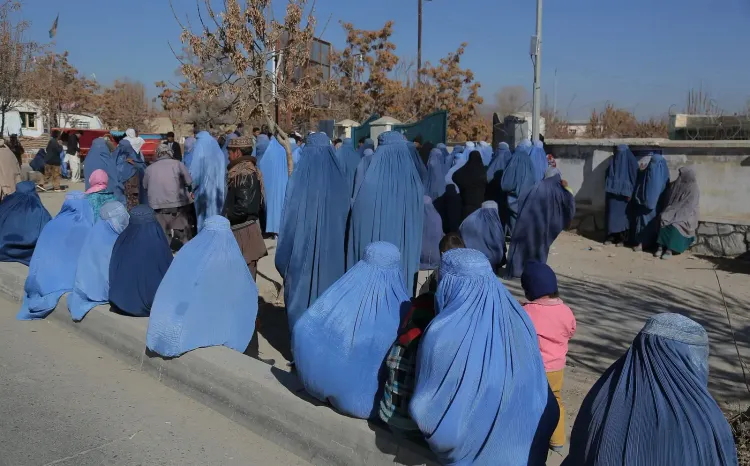
Arrests were linked to dress code violations — including not wearing a chador , visible hair, colourful scarves, makeup, or being in public without a mahram .
UNAMA also flagged incidents of verbal abuse and beatings targeting women, including female shopkeepers.
Since seizing power in August 2021 , the Taliban has banned girls from school beyond Class 6 and barred women from universities.
UNAMA has urged the Taliban to halt discriminatory enforcement and honour Afghanistan's international human rights obligations.
The United Nations Assistance Mission in Afghanistan (UNAMA) on Thursday, 8 October 2026, declared it is 'gravely concerned' over a wave of arrests, detentions, and threats targeting women and girls by Taliban authorities across multiple provinces of Afghanistan. The mission has called on the Taliban to immediately halt discriminatory enforcement practices and honour Afghanistan's commitments under international human rights law.
Scale of Detentions
According to UNAMA, at least 52 women and one girl were arrested or detained in Herat and Kabul between July and September 2026, while additional women faced threats of arrest during the same period. The mission cautioned that the actual number of cases is likely higher, given significant under-reporting driven by protection concerns and deep social stigma associated with detention.
Grounds for Arrest
UNAMA reported that the detentions were linked to alleged violations of the Taliban's strict dress code requirements. Women were arrested for offences including not wearing a chador, having visible hair, wearing colourful scarves or makeup, or appearing in public without a mahram — a close male guardian such as a husband, father, or brother. According to a UNAMA statement, the women were released after spending hours in detention.
The mission also flagged incidents of verbal abuse, beatings, and threats directed at women, including female shopkeepers. 'UNAMA reiterates that these acts violate women and girls' rights to freedom of movement, expression and autonomy. Arrests and detentions also expose women and girls to severe social stigma and further marginalisation,' the statement read.
UN Demand and Legal Framework
'UNAMA urges the de facto authorities to cease discriminatory enforcement practices targeting women and girls, ensure respect for the human rights and dignity of all Afghans, and uphold Afghanistan's obligations under international human rights law,' the mission added. The UN's intervention underscores mounting international pressure on the Taliban regime, which has not been formally recognised by any government worldwide.
Five Years of Systematic Restrictions
Since seizing power in August 2021, the Taliban has systematically dismantled women's rights across Afghanistan. Girls have been barred from attending school beyond Class 6, women have been excluded from universities, and sweeping bans on employment, movement, and participation in public life remain in force. The latest arrests represent an escalation of enforcement that international observers say has intensified through 2026.
What Comes Next
Human rights organisations and UN bodies are expected to raise the issue at upcoming sessions of the UN Human Rights Council. Pressure on member states to pursue accountability mechanisms — including a Special Tribunal for Afghanistan — has grown steadily, though diplomatic progress remains limited given the Taliban's international isolation. The pattern of targeted enforcement suggests that absent external pressure, restrictions on Afghan women and girls are unlikely to ease in the near term.
Point of View
Suggesting the regime is tightening internal control as its international isolation deepens. Critically, UNAMA itself acknowledges under-reporting, meaning the real scale of arrests is almost certainly larger than 52. The international community's response has so far been confined to statements; without enforceable accountability measures, there is little to deter further escalation.
NationPress
8 Oct 2026
Frequently Asked Questions
What did UNAMA report about Taliban arrests of women in Afghanistan?
UNAMA reported that at least 52 women and one girl were arrested or detained in Herat and Kabul between July and September 2026 for alleged violations of the Taliban's dress code. The mission said it is 'gravely concerned' and urged the Taliban to stop discriminatory enforcement practices.
What were the reasons given for the arrests of women in Afghanistan?
According to UNAMA, women were detained for not wearing a chador, having visible hair, wearing colourful scarves or makeup, or being in public without a mahram — a close male guardian such as a husband, father, or brother. The women were released after spending hours in detention.
What restrictions has the Taliban imposed on women since taking power?
Since seizing power in August 2021, the Taliban has barred girls from attending school beyond Class 6, prohibited women from attending universities, and imposed sweeping bans on employment, movement, and participation in public life across Afghanistan.
Why does UNAMA believe the number of detained women could be higher?
UNAMA noted that actual cases are likely under-reported due to protection concerns and deep social stigma associated with detention. Women and their families may avoid reporting arrests to prevent further marginalisation.
What action has UNAMA demanded from the Taliban?
UNAMA has urged the Taliban to cease all discriminatory enforcement practices targeting women and girls, ensure respect for the human rights and dignity of all Afghans, and uphold Afghanistan's obligations under international human rights law.