Afghanistan aid access: UN logs 30 incidents as female worker curbs persist
Synopsis
The UN's own data shows a 27% drop in reported humanitarian access incidents in Afghanistan in September — but OCHA's warning that cases may be going unreported is the real headline. With four districts under severe restrictions and female aid workers still barred, the gap between statistics and ground reality in Taliban-controlled Afghanistan continues to widen.
Key Takeaways
OCHA recorded 30 humanitarian access incidents in Afghanistan in September 2025 , down 27% from August.
OCHA cautioned the decline may reflect underreporting , not genuine improvement on the ground.
Of the 30 incidents, 18 involved interference in humanitarian activities and four involved physical access constraints .
Four districts in Afghanistan face severe humanitarian access restrictions, partly due to curbs on female aid workers .
UN Secretary-General António Guterres called for an immediate reversal of the Taliban's ban on Afghan women working for the UN.
Guterres stated the restrictions are 'contrary to international law, including the UN Charter .'
Restrictions on female aid workers and systematic interference in relief operations continue to obstruct humanitarian access across Afghanistan, with the United Nations recording 30 access-related incidents in the country during September 2025, according to local media reports on Sunday, 25 October 2026.
Key Developments in September
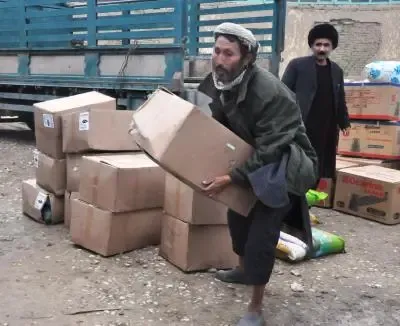
The UN Office for the Coordination of Humanitarian Affairs (OCHA) reported that humanitarian partners logged 30 access incidents during September — a figure 27 per cent lower than the number recorded in August. Of these, 18 involved direct interference in humanitarian activities, while four were linked to physical constraints on access to affected populations.
Crucially, OCHA cautioned that the decline in reported incidents did not necessarily indicate an improvement on the ground, as some incidents may have gone unreported entirely.
What Is Blocking Aid Delivery
Beyond the headline numbers, OCHA identified a range of overlapping obstacles hampering relief operations. These include ongoing military operations, active conflict, violence against humanitarian personnel, and the detention of aid workers. Administrative interference and programme-related disruptions were also flagged as persistent challenges.
According to OCHA, four districts in Afghanistan are currently facing severe restrictions on humanitarian access, with curbs on female aid workers and prohibitions on women receiving assistance cited among the primary drivers of the situation.
Why Female Participation Matters for Aid Delivery
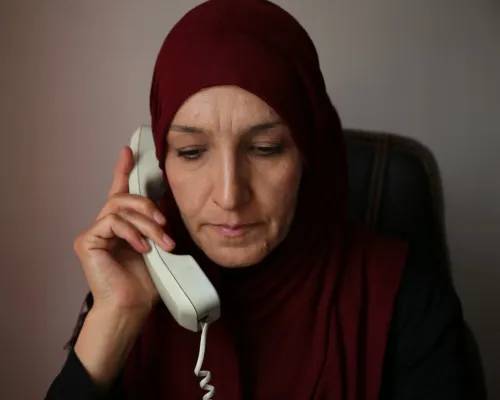
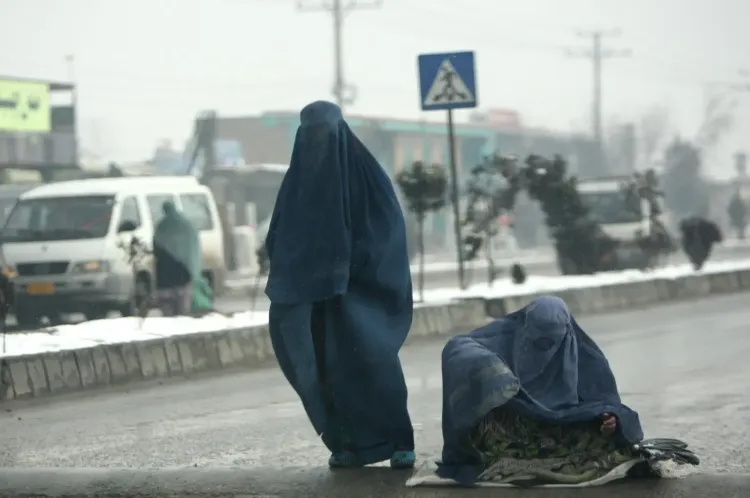
OCHA's findings underscore a structural problem: limits on women's participation in humanitarian work directly reduce the ability of aid agencies to reach women and girls in need. In Afghan cultural contexts, female beneficiaries are often accessible only through female staff — meaning restrictions on women workers create a cascading gap in service delivery that male colleagues cannot readily fill.
This is not a new concern. The Taliban's restrictions on women working for the UN and non-governmental organisations have drawn sustained international condemnation since their return to power, with the situation worsening incrementally over successive years.
What the UN Secretary-General Said
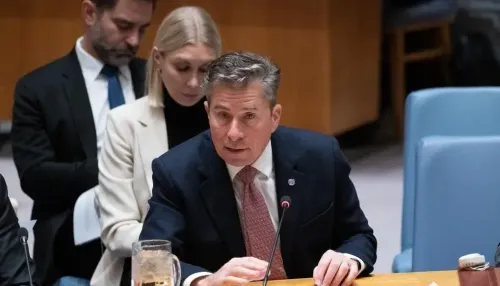
Last month, UN Secretary-General António Guterres expressed deep concern over what he described as the continuing discriminatory policies imposed by the Taliban on Afghan women and girls. He reiterated his call to immediately reverse the ban on Afghan women working for the UN and to ensure their safe and unhindered access to UN premises across the country.
'These restrictions are contrary to international law, including the UN Charter, and undermine the organisation's capacity to carry out its mandate and deliver life-saving and other assistance to the Afghan people at a time when needs remain high,' Guterres said.
He added: 'Unhindered access for all United Nations personnel to their places of work is critical to fulfil our mandate, and to reach and support vulnerable people, especially women and girls, in accordance with cultural practices. Ensuring that women can deliver humanitarian assistance and essential services to women and girls is critical to an effective and principled response.'
What to Watch Next
Despite the month-on-month decline in reported incidents, OCHA's assessment makes clear that aid organisations continue to face operational hurdles capable of delaying or disrupting the delivery of assistance. With humanitarian needs in Afghanistan remaining high and international funding under pressure, any further tightening of restrictions could have serious consequences for millions of vulnerable Afghans — particularly women and children.
Frequently Asked Questions
How many humanitarian access incidents did the UN record in Afghanistan in September?
The UN's OCHA recorded 30 humanitarian access incidents in Afghanistan in September 2025, which was 27 per cent fewer than in August. However, OCHA cautioned that the drop may reflect underreporting rather than any genuine improvement on the ground.
Why do curbs on female aid workers make the humanitarian crisis worse?
In Afghan cultural contexts, female beneficiaries — especially women and girls — are typically accessible only through female aid workers. When women are banned from humanitarian roles, entire segments of the population become unreachable, deepening the crisis for the most vulnerable groups.
What did UN Secretary-General António Guterres say about the Taliban's restrictions?
Guterres expressed deep concern over the Taliban's continuing discriminatory policies against Afghan women and girls. He called for an immediate reversal of the ban on Afghan women working for the UN, stating the restrictions are 'contrary to international law, including the UN Charter.'
Which areas of Afghanistan face the most severe humanitarian access restrictions?
According to OCHA, four districts in Afghanistan are facing severe restrictions on humanitarian access. The primary factors include administrative interference, programme-related disruptions, and explicit curbs on female aid workers and on women receiving assistance.
What obstacles beyond female worker restrictions are hampering aid delivery in Afghanistan?
OCHA listed military operations, ongoing conflict, violence against humanitarian personnel, and the detention of aid workers as additional obstacles. Administrative and programme-related interference were also identified as persistent barriers to relief operations.