UN Rapporteur alarmed by Taliban force on Herat protesters
Synopsis
Taliban forces opened fire on protesters in Herat who had gathered to condemn the mass arrest of at least 21 women and girls for dress code violations — prompting the UN Special Rapporteur to call the detentions 'illegal and unacceptable' and demand immediate release. The use of live fire against peaceful demonstrators marks a sharp escalation in the Taliban's domestic crackdown on gender-based dissent.
Key Takeaways
UN Special Rapporteur Richard Bennett condemned Taliban use of force against protesters in Herat on 9 June .
Taliban morality police detained at least 21 women and girls over three consecutive days for alleged dress code violations.
Several protesters were reportedly injured when Taliban forces opened fire to disperse a crowd in Herat's Jibrail area.
A Taliban directive ordered male family members to ensure women comply with dress requirements; non-compliance can result in detention.
UNAMA also raised serious human rights concerns, reminding authorities of the right to freedom of movement and equality before the law.
Bennett called the arrests 'illegal and unacceptable' and demanded the detained women be released immediately .
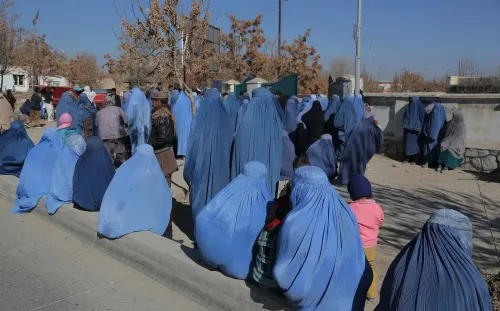
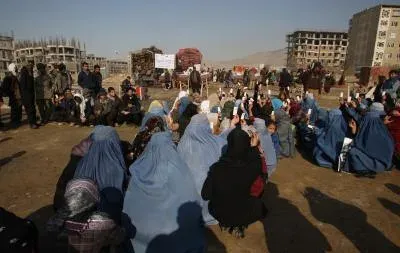
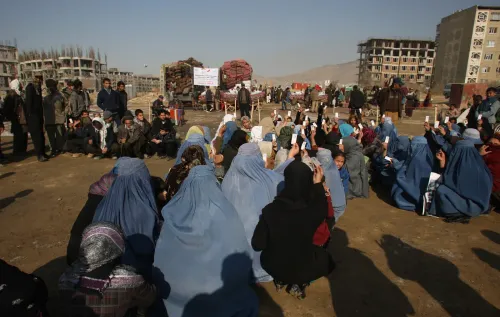
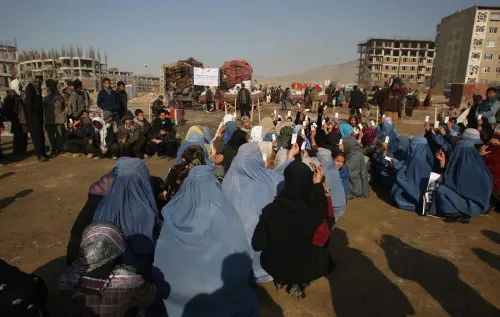
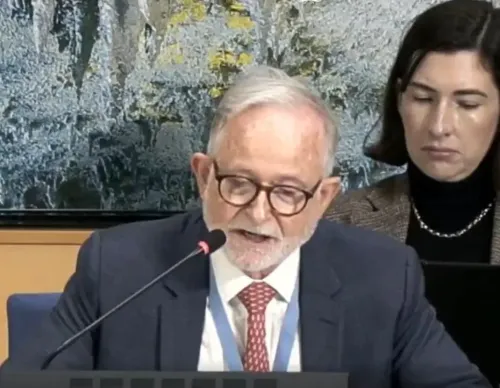
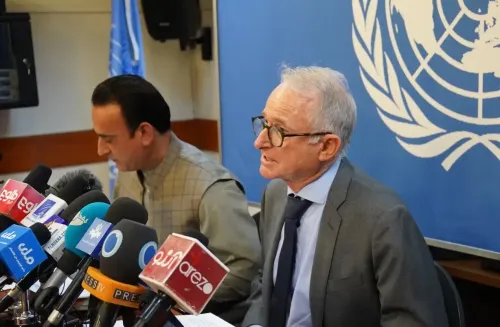
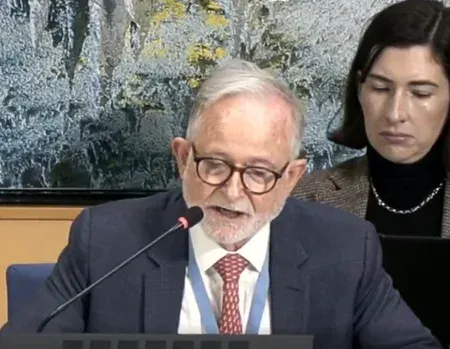
Richard Bennett, the UN Special Rapporteur on human rights in Afghanistan, on Tuesday, 9 June expressed alarm over the use of force against protesters in Herat, after reports indicated that Taliban forces opened fire to disperse a crowd that had gathered to condemn the mass arrest of Afghan women and girls for alleged dress code violations. Several protesters were reportedly injured in the crackdown.
What Triggered the Protest
The demonstration in Herat's Jibrail area followed the detention of at least 21 women and girls by Taliban morality police over three consecutive days, according to reports. The arrests were carried out across multiple locations in Herat, including the southern road, Almas Market, and the Qasr area. Among those detained was reportedly a nurse employed at Herat Regional Hospital.
The Taliban Directive Behind the Arrests
The detentions followed a directive issued by the Taliban's Directorate for the Promotion of Virtue and Prevention of Vice in Herat, which ordered male family members to ensure women comply with the Taliban's interpretation of Islamic dress requirements. Under the directive, women seen in public without a prayer veil, with uncovered faces, or wearing tight clothing or makeup could face detention and transfer to a women's detention facility.
What the UN Said
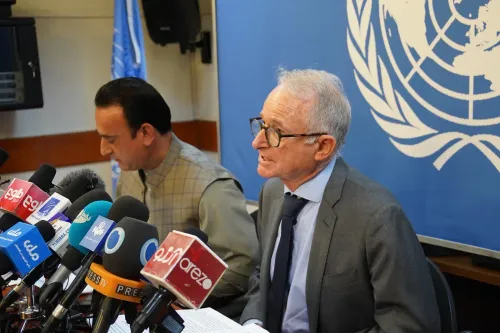
Bennett posted on X: 'Alarmed by excessive use of force against seemingly peaceful protesters in Herat today; it's time to defuse the tension, respect citizens' freedom of expression, especially women and girls, and avoid further harm. Those responsible for violence must be held accountable.'
In a separate post on X, Bennett wrote: 'I am deeply alarmed that for a 3rd consecutive day, scores of women in Herat continue to be arbitrarily arrested and detained for violating the Taliban's dress code. It is illegal and unacceptable. The arrests must stop, and the women must be released immediately.'
The United Nations Assistance Mission in Afghanistan (UNAMA) also posted on X, stating it was 'concerned over multiple arrests and detentions of women in Herat Afghanistan for alleged non-compliance with dress requirements, which raises serious human rights concerns.' UNAMA further reminded 'the de facto authorities that all people have the right to freedom of movement and that all persons, both women and men, are entitled to equality before the law.'
International Reaction and Broader Context
The international community has broadly condemned the detentions. This comes amid a sustained pattern of Taliban restrictions on Afghan women that have drawn repeated censure from the United Nations since the Taliban's return to power in 2021. Critics argue that each successive directive narrows the space available to Afghan women in public life, with enforcement growing visibly more aggressive. The use of live fire to disperse protesters marks a notable escalation in the Taliban's response to domestic dissent over gender-based restrictions.
With the UN now calling for accountability over the violence in Herat, pressure is likely to mount on the Taliban ahead of any future diplomatic engagement — though the de facto authorities have historically dismissed international censure on human rights grounds.
Point of View
One directive at a time. What is notable now is the convergence: mass arrests, a public protest, and live fire against demonstrators, all within days. The UN's language — 'illegal and unacceptable' — is unusually direct for a body that typically hedges on Taliban conduct. Yet condemnation without consequence has been the pattern for four years. The harder question is whether the international community has any leverage left, or whether rhetorical escalation from Geneva simply fills the vacuum left by the absence of a credible enforcement mechanism.
NationPress
26 Oct 2026
Frequently Asked Questions
Why did Taliban forces fire on protesters in Herat?
Taliban forces reportedly opened fire to disperse protesters in Herat's Jibrail area who had gathered to condemn the mass arrest of Afghan women and girls for alleged dress code violations. Several protesters were injured, according to local sources cited in reports.
How many women were arrested by the Taliban in Herat?
At least 21 women and girls were detained by Taliban morality police in Herat over three consecutive days for allegedly failing to comply with the Taliban's dress code. Arrests took place across multiple locations including the southern road, Almas Market, and the Qasr area.
What does the Taliban's dress code directive require?
A directive from the Taliban's Directorate for the Promotion of Virtue and Prevention of Vice in Herat orders male family members to ensure women comply with the Taliban's interpretation of Islamic dress requirements. Women seen in public without a prayer veil, with uncovered faces, or wearing tight clothing or makeup risk detention.
What did the UN say about the situation in Herat?
UN Special Rapporteur Richard Bennett called the arrests 'illegal and unacceptable' and demanded the immediate release of detained women. UNAMA separately expressed concern over the detentions, stating they raise serious human rights concerns and reminding Taliban authorities of the right to freedom of movement.
What is the broader context of Taliban restrictions on Afghan women?
Since returning to power in 2021, the Taliban has progressively restricted Afghan women's rights through a series of directives covering education, employment, and public conduct. The Herat crackdown represents an escalation in enforcement, with live fire now being used against protesters opposing gender-based detentions.