UN experts alarmed as Taliban kills two in Herat protest crackdown
Synopsis
Taliban forces allegedly opened fire on protesters in Herat on 9 June, killing two — including a boy — and injuring more than twenty, after dozens of women were detained for dress code violations. UN experts have invoked international law obligations, and the EU has issued a formal condemnation, marking one of the most violent documented crackdowns on public dissent since the Taliban's return to power.
Key Takeaways
Two people, including a boy, were killed and more than twenty injured after Taliban officials allegedly opened fire on protesters in Herat on 9 June .
Protests were triggered by the detention of dozens of women in Herat on 6 and 7 June over alleged dress code violations.
UN human rights experts warned that the use of force may violate international law and called for an independent investigation.
Experts said detaining women for dress code violations 'may constitute arbitrary and unlawful detention' under international human rights law.
The European Union formally condemned the crackdown; EU spokesman Anouar El Anouni posted the condemnation on X .
The Taliban has progressively restricted Afghan women's rights since retaking power in 2021 .
UN human rights experts on 12 June expressed grave concern over reports of excessive use of force against demonstrators in Herat, Afghanistan, where two people — including a boy — were killed and more than twenty others were injured after Taliban officials allegedly opened fire on protesters opposing restrictive dress code measures imposed on women.
What Triggered the Protests
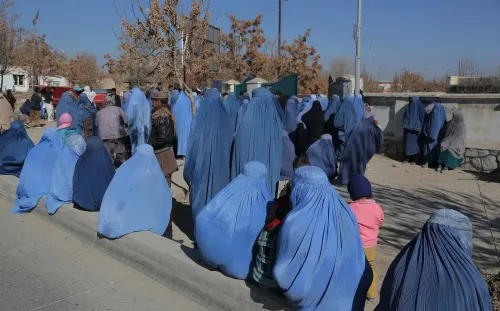
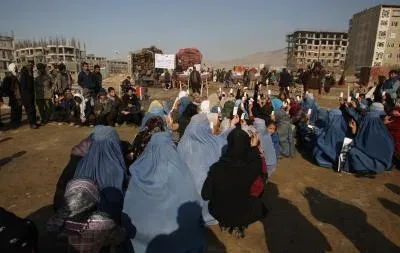
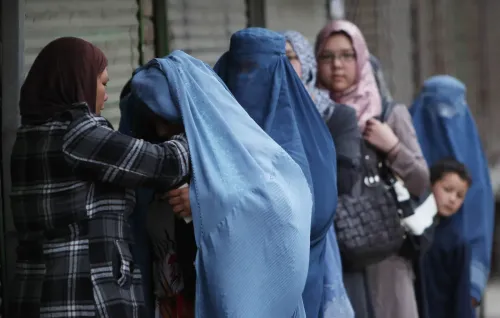
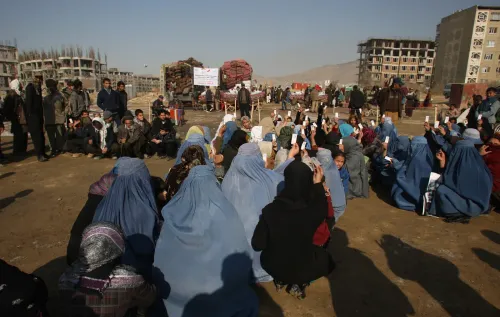
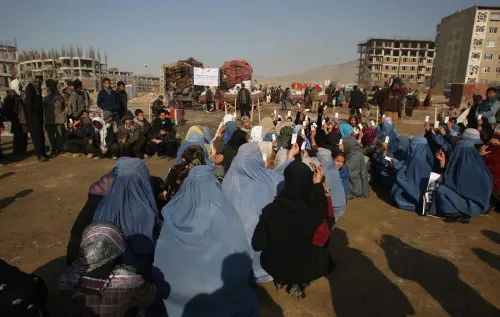
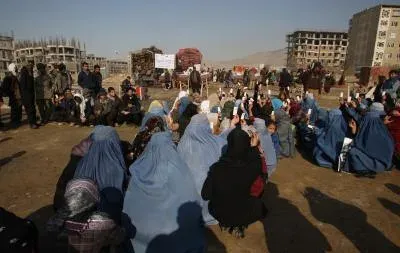
According to the UN experts, the unrest was sparked by the detention of dozens of women in Herat city on 6 and 7 June over alleged dress code violations. The Taliban's order requires women to wear a burka or chador with a face mask and bans the use of perfume. On 9 June, people — men, women, and children — gathered in Herat to protest what experts described as increasingly 'repressive restrictions'. Taliban officials allegedly opened fire on the crowd and beat protesters.
What the UN Experts Said
The experts issued a pointed warning on the legal limits of state force. 'Use of force in law enforcement is strictly restricted under international law. It is permitted only when it is legal, necessary, and proportionate to the threat posed to officers or to others and when it respects principles of precaution, non-discrimination, and accountability,' they stated.
The experts further noted that as the de facto authority in Afghanistan, the Taliban is bound by international human rights treaties to which Afghanistan remains a party — including the International Covenant on Civil and Political Rights, the Convention against Torture, and the Convention on the Elimination of All Forms of Discrimination against Women (CEDAW).
Allegations of Arbitrary Detention
The UN experts said allegations that women were detained solely for dress code violations 'may constitute arbitrary and unlawful detention,' as such detentions appear to penalise the exercise of the right to freedom of expression and the right to be free from gender discrimination. They called on Taliban authorities to launch a prompt, independent, impartial, and transparent investigation into the use of force by officials.
'Equality, peaceful assembly, freedom of expression and movement, and protection from arbitrary detention are fundamental rights essential to restoring public confidence and preventing further deterioration of the situation,' the experts said.
EU Condemns Crackdown, Stands with Afghan Women
The European Union separately and strongly condemned the use of excessive force in Herat and the arbitrary arrests of women. Anouar El Anouni, the EU's spokesman for foreign affairs, posted on social media platform X on Thursday: 'We condemn the excessive use of force in Herat and arbitrary arrests of women for violating dress code instructions. The de facto authorities must respect international human rights obligations, including the right to peaceful protest. The EU stands with Afghan women.'
A Deepening Pattern of Repression
This incident is the latest in a series of escalating restrictions on Afghan women since the Taliban returned to power in 2021. Women have been progressively barred from secondary and university education, employment in most sectors, and public spaces without a male guardian. The Herat crackdown marks one of the most violent documented responses to women-led or women-triggered protests under Taliban rule, and signals a hardening posture against any form of public dissent. International rights bodies warn that without accountability, such incidents are likely to recur.
Point of View
And each time the response has been condemnation without consequence. UN experts can invoke treaty obligations all they want, but Afghanistan's de facto rulers have shown no interest in the treaties they inherited. The more urgent question is whether the EU, the UN, and regional actors are prepared to move beyond statements — because the pattern is clear, and the cost is being paid in Afghan lives.
NationPress
26 Oct 2026
Frequently Asked Questions
What happened during the Herat protest on 9 June?
Taliban officials allegedly opened fire on demonstrators gathered in Herat on 9 June to protest restrictive dress code orders imposed on women. Two people, including a boy, were killed and more than twenty others were injured.
Why were Afghan women detained before the protest?
Dozens of women were detained in Herat on 6 and 7 June for allegedly violating Taliban dress code orders, which require women to wear a burka or chador with a face mask and prohibit the use of perfume. UN experts said these detentions may constitute arbitrary and unlawful detention.
What have UN experts demanded from the Taliban?
UN experts have called on Taliban authorities to conduct a prompt, independent, impartial, and transparent investigation into the use of force. They also reminded the Taliban that Afghanistan remains party to key international human rights treaties, including the International Covenant on Civil and Political Rights and CEDAW.
How has the European Union responded to the Herat crackdown?
The EU strongly condemned the use of excessive force and the arbitrary arrests of women in Herat. EU foreign affairs spokesman Anouar El Anouni posted on X that the de facto authorities must respect international human rights obligations, including the right to peaceful protest.
How does this fit into the broader pattern of Taliban restrictions on women?
Since retaking power in 2021, the Taliban has progressively barred Afghan women from secondary and university education, most employment, and public spaces without a male guardian. The Herat crackdown is considered one of the most violent documented responses to protest under Taliban rule.