UNAMA: Afghanistan peace needs more than absence of conflict, 5 years on
Synopsis
Five years after the Taliban seized Kabul, the UN's mission in Afghanistan is drawing a clear line: reduced violence is not the same as peace. With women locked out of public life and ISIL-K adapting its operations toward Pakistan, UNAMA's assessment is a pointed challenge to any narrative of stabilisation — and a warning that the region's security dividend remains deeply conditional.
Key Takeaways
UNAMA issued a statement on 13 August marking nearly five years of Taliban rule in Afghanistan.
The mission acknowledged reduced conflict but stressed that sustainable peace requires rights, accountability, and inclusive institutions.
Georgette Gagnon , Officer-in-Charge of UNAMA, called for realising 'the rights and potential of all Afghans.' Restrictions on women and girls and terrorism concerns were flagged as the primary barriers to post-conflict recovery.
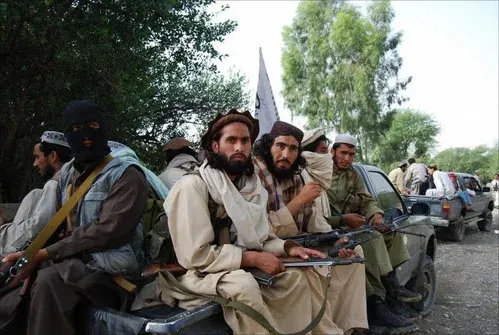
The UNSC Monitoring Team warned that ISIL-K , while weakened inside Afghanistan, has increased activity in Pakistan .
Taliban operations have not eliminated ISIL-K, and the regional terrorist threat remains 'complex and adaptable,' according to the team's findings.
The United Nations Assistance Mission in Afghanistan (UNAMA) on Thursday, 13 August stated that sustainable peace and prosperity in Afghanistan require far more than a mere reduction in armed conflict, as the country marks nearly five years since the Taliban assumed power. The mission called on the Taliban's 'de facto' authorities to take concrete steps toward lasting stability for all Afghans.
What UNAMA Said
In its official statement, UNAMA acknowledged that a reduction in conflict has delivered tangible benefits for many Afghans, opening space for recovery, development, and regional economic cooperation. The mission pointed to a ban on opium poppy cultivation as one of the positive steps taken during this period.
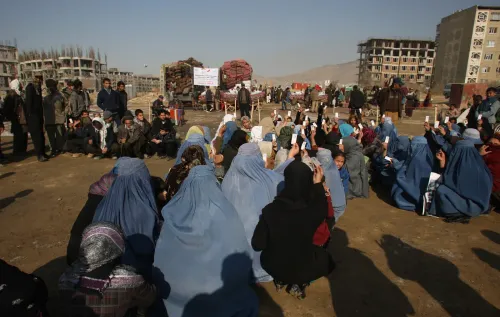
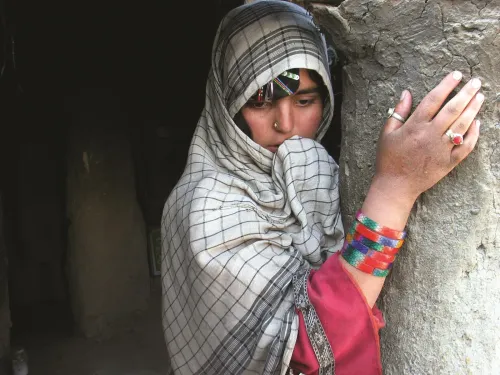
However, UNAMA was equally pointed about the obstacles that remain. Severe restrictions on women and girls and persistent terrorism concerns were identified as key impediments to Afghanistan's post-conflict recovery.
Key Voices
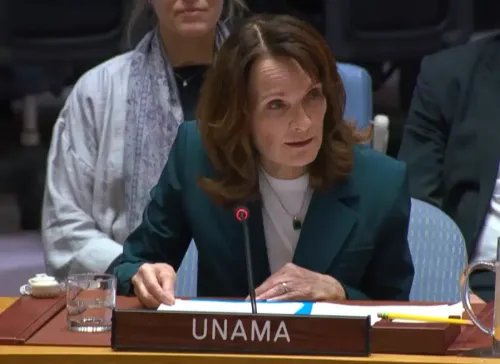
Georgette Gagnon, Deputy Special Representative of the Secretary-General and Officer-in-Charge of UNAMA, said: 'The last five years have shown that Afghans deeply value peace and stability after decades of war. But sustainable peace and prosperity require more than just an absence of conflict. Afghanistan's future depends on building a society in which the rights and potential of all Afghans are realised, and institutions are responsive and accountable.'
Terrorism Threat Persists in the Region
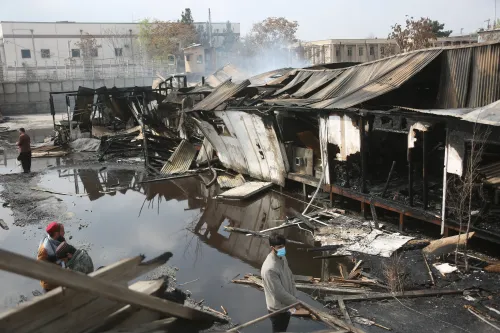
Separately, the Analytical Support and Sanctions Monitoring Team of the United Nations Security Council (UNSC) — which tracks threats linked to ISIL, al-Qaeda, and associated groups — warned that Afghanistan's neighbours and Central Asia continue to face a persistent and evolving terrorist threat from groups operating within Afghan territory.
According to findings cited in the team's report and carried by Khamaa Press, Taliban operations have inflicted significant losses on ISIL-K but have not eliminated the group. Notably, ISIL-K attacks inside Afghanistan have declined, while activity in Pakistan has increased — suggesting the group has adapted to counter-terrorism pressure rather than been neutralised.
The Broader Picture
The dual assessments — one on governance and rights, the other on regional security — underscore the complexity of Afghanistan's situation five years after the Taliban takeover. While the absence of large-scale conventional warfare has allowed some economic activity to resume, the international community remains concerned that without inclusive governance and enforceable rights protections, stability will remain fragile and reversible.
All eyes now turn to whether the Taliban's de facto administration will respond to UN calls for broader political inclusion and an end to restrictions on women — conditions that most international actors have linked to any formal recognition or sustained engagement.
Point of View
Not peace. The distinction matters. A ban on poppy cultivation and a drop in battlefield casualties do not constitute a political settlement — and the international community's continued refusal to formally recognise the Taliban reflects precisely that gap. The ISIL-K finding is the more urgent signal: a group that has been degraded inside Afghanistan but is now exporting instability to Pakistan is not a contained threat, it is a displaced one. Regional powers, particularly India, Iran, and the Central Asian states, have more at stake in that dynamic than the headline conflict numbers suggest.
NationPress
28 Sept 2026
Frequently Asked Questions
What did UNAMA say about Afghanistan five years after the Taliban takeover?
UNAMA stated on 13 August that while Afghanistan has seen a reduction in armed conflict, sustainable peace and prosperity require more than the absence of fighting. The mission called for inclusive governance, accountability, and the realisation of rights for all Afghans, including women and girls.
What positive developments did UNAMA acknowledge in Afghanistan?
UNAMA recognised that reduced conflict has created opportunities for recovery, development, and regional economic cooperation. It also noted a ban on opium poppy cultivation as a concrete positive step taken by the Taliban's de facto authorities.
What are the main obstacles to Afghanistan's recovery, according to the UN?
UNAMA identified severe restrictions on women and girls and persistent terrorism concerns as the primary impediments to Afghanistan's post-conflict recovery and path toward lasting stability.
What is the current status of ISIL-K in Afghanistan?
According to the UNSC's Analytical Support and Sanctions Monitoring Team, Taliban operations have inflicted significant losses on ISIL-K but have not eliminated the group. ISIL-K attacks inside Afghanistan have declined, but its activity in Pakistan has increased, indicating the group has adapted rather than collapsed.
Who is Georgette Gagnon and what did she say?
Georgette Gagnon is the Deputy Special Representative of the UN Secretary-General and Officer-in-Charge of UNAMA. She said Afghanistan's future depends on building a society where the rights and potential of all Afghans are realised and institutions are responsive and accountable.