Five years of Taliban rule: Why the world cannot abandon Afghanistan
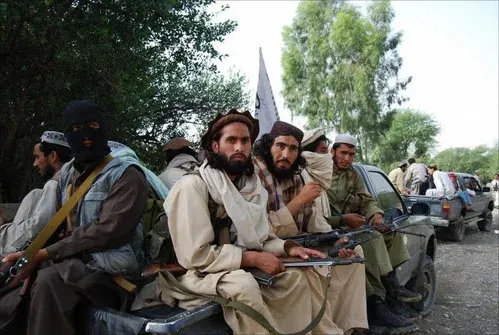
Synopsis
Five years of Taliban rule have brought improved security but deepened a humanitarian crisis — 22 million Afghans need aid, central bank reserves remain frozen, and women face near-total exclusion from public life. With China eyeing USD 1 trillion in minerals and India quietly reopening its Kabul embassy, Afghanistan has become the latest arena of a new Great Game that the world cannot simply walk away from.
Key Takeaways
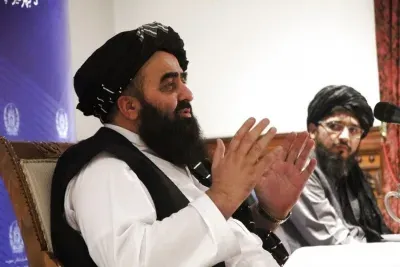
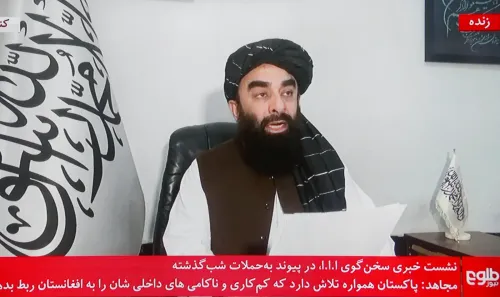
The Taliban marks five years of rule over Afghanistan on 15 August 2026 , remaining unrecognised by the international community except Russia .
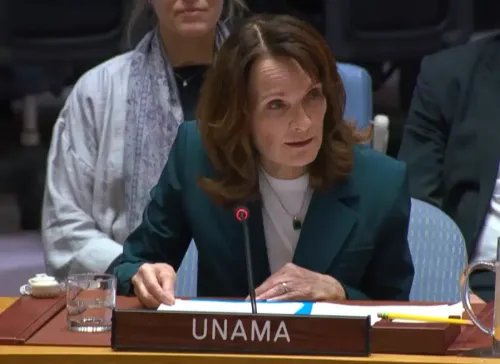
A UNAMA report notes improved security but flags severe restrictions on women and girls and ongoing terrorism concerns as key obstacles to reintegration.
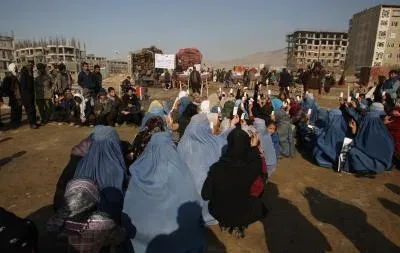
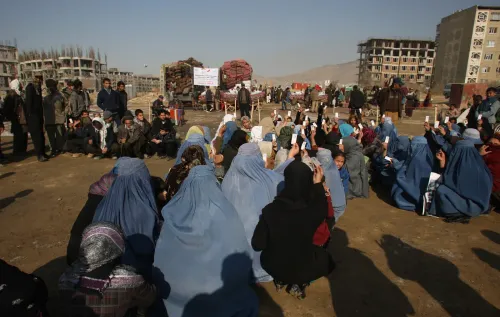
An estimated 22 million Afghans , including 10.7 million women and girls , currently require humanitarian assistance.
Afghan central bank reserves remain frozen and foreign aid has been sharply reduced, deepening the economic crisis.
India has invested in more than 500 development projects in Afghanistan and reopened its Kabul embassy, pursuing pragmatic engagement without formal recognition.
China is intensifying its presence, targeting an estimated USD 1 trillion in Afghan mineral resources linked to its Belt and Road Initiative .
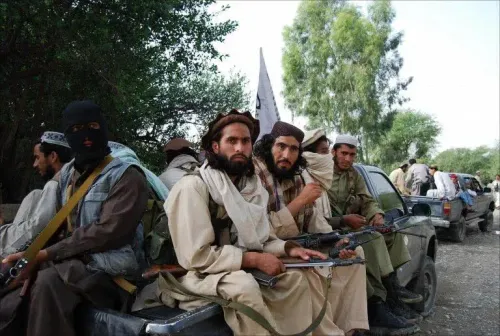
Five years after the Taliban seized Kabul on 15 August 2021, Afghanistan remains in a state of uneasy limbo — governed by a regime unrecognised by virtually the entire international community, yet too strategically significant to be left in isolation. A new report by the United Nations Assistance Mission in Afghanistan (UNAMA), released this week, captures that contradiction in stark terms.
What the UNAMA Report Found
The UNAMA report acknowledged measurable improvements in security since the Taliban consolidated control, noting that a reduction in armed conflict has created openings for recovery, development, and regional economic cooperation. Among the positive developments cited was a Taliban-enforced ban on opium poppy cultivation, which had long made Afghanistan the world's largest producer of illicit narcotics.
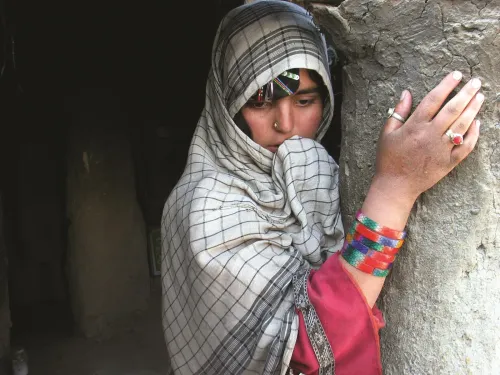
However, the report was equally pointed about what has not improved. Severe restrictions on women and girls — barring them from education, employment, and public life — alongside persistent terrorism concerns were identified as the primary obstacles to Afghanistan's reintegration into the international community. The UN's stated goal remains an Afghanistan 'at peace with itself and its neighbours, fully reintegrated into the international community, and meeting its international obligations.'
The Humanitarian Crisis Deepens
While diplomatic debates continue, ordinary Afghans are bearing the heaviest cost. An estimated 22 million Afghans — including 10.7 million women and girls — currently require humanitarian assistance, according to the UNAMA report. Billions of dollars in Afghan central bank reserves remain frozen under international sanctions, and foreign aid flows have been sharply curtailed.
Taliban leaders continue to face individual sanctions and travel bans. Meanwhile, tens of thousands of Afghan refugees are returning home to a country ill-equipped to absorb them, straining already depleted public services.
India's Calculated Engagement
Among Afghanistan's neighbours and regional powers, India has pursued a policy of pragmatic engagement without formal recognition. New Delhi dispatched humanitarian aid in 2021 and has since reopened its embassy in Kabul. High-level meetings between Indian officials and Taliban representatives have taken place, reflecting a cautious but deliberate diplomatic posture.
India's stake in Afghanistan is substantial. It has invested in more than 500 development projects across Afghan provinces, spanning energy, healthcare, education, and agriculture. People-to-people ties — built through cricket exchanges, scholarships, and cultural links — add a softer dimension to the relationship. Security concerns, counterterrorism cooperation, and regional stability continue to shape New Delhi's strategic calculus in Central-South Asia.
The China Factor and the Great Game
China has moved aggressively to fill the vacuum left by Western withdrawal, with its eye on Afghanistan's mineral resources, estimated at USD 1 trillion, and their potential integration into the Belt and Road Initiative (BRI). This growing Chinese footprint has added urgency to India's own engagement, as New Delhi seeks to counterbalance Beijing's influence in a region it considers part of its strategic neighbourhood.
Russia, China, Iran, and India have all developed working relations with the Taliban administration — stopping short of formal recognition but engaging on trade, investment, and diplomacy. Russia remains the only major power to have moved closer to formal recognition. Afghanistan's position as a potential hub for trade and energy corridors linking Central and South Asia makes complete isolation, in the view of most regional analysts, neither feasible nor strategically wise.
The Path Forward
The international community faces a dilemma with no clean resolution: legitimising Taliban rule risks endorsing one of the world's most restrictive governance systems, particularly its treatment of women; abandoning Afghanistan risks ceding the country to a deepening humanitarian catastrophe and intensifying great-power competition on its soil. The UN has continued to engage with Taliban authorities on humanitarian assistance, basic services, and human rights — a framework it describes as having 'contributed to a measure of stability.'
As Afghanistan marks this five-year milestone, the trajectory of its reintegration — or continued isolation — will depend heavily on whether the Taliban take the 'significant steps' the UNAMA report urges, and whether the international community can maintain coherent pressure while keeping humanitarian channels open.
Point of View
Not a principled position. Five years in, the world has neither the leverage to force Taliban reform nor the will to sustain full isolation. India's quiet embassy reopening and China's mineral calculus reveal the real dynamic: Afghanistan is being carved up by competing interests while its 22 million aid-dependent citizens remain an afterthought. The humanitarian crisis is not a side effect of geopolitics — it is the direct consequence of a sanctions regime that punishes the population more than the regime. That contradiction deserves sharper scrutiny than it is receiving.
NationPress
28 Sept 2026
Frequently Asked Questions
How long has the Taliban been in power in Afghanistan?
The Taliban has governed Afghanistan for five years, having seized Kabul on 15 August 2021 as US-led forces completed their withdrawal. The regime remains officially unrecognised by virtually the entire international community, with Russia being a notable exception.
What does the latest UNAMA report say about Afghanistan?
The UNAMA report released this week acknowledges improved security under Taliban rule and cites a ban on opium poppy cultivation as a positive development. However, it also highlights severe restrictions on women and girls and ongoing terrorism concerns as major impediments to Afghanistan's recovery and international reintegration.
How many Afghans currently need humanitarian assistance?
According to the UNAMA report, approximately 22 million Afghans — including 10.7 million women and girls — currently require humanitarian assistance. The crisis has been worsened by frozen central bank reserves and sharp cuts in international aid.
What is India's current relationship with the Taliban government?
India has not formally recognised the Taliban regime but maintains pragmatic engagement. New Delhi reopened its embassy in Kabul after sending humanitarian aid in 2021, has held high-level meetings with Taliban representatives, and has invested in more than 500 development projects across Afghanistan covering energy, healthcare, education, and agriculture.
Why is China expanding its presence in Afghanistan?
China is pursuing Afghanistan's vast mineral resources, estimated at USD 1 trillion, and seeks to integrate them into its Belt and Road Initiative. Beijing has deepened economic and diplomatic ties with the Taliban administration, a development that has added urgency to India's own engagement strategy in the region.