CM Bhajan Lal Calls for Plastic Bag Boycott on July 3
Synopsis
On International Plastic Bag Free Day, 3 July 2026, Rajasthan Chief Minister Bhajan Lal Sharma called on citizens to pledge against single-use plastic bags and shift to cloth or jute alternatives, reinforcing India's national plastic waste management framework through state-level public awareness.
Key Takeaways
Rajasthan Chief Minister Bhajan Lal Sharma posted a public appeal on 3 July 2026 marking International Plastic Bag Free Day .
He urged citizens to collectively resolve to boycott single-use plastic bags and use cloth or jute bags for shopping.
India banned identified single-use plastic items, including thin carry bags, under the Plastic Waste Management Rules effective 1 July 2022 .
Rajasthan's campaign aligns with a national pattern of state-level awareness drives complementing the central regulatory ban.
Retail consumers and local retailers are the primary stakeholders affected by the push toward reusable alternatives.
Enforcement drives, bag distribution programmes, and fresh state notifications on plastic penalties are the key developments to watch in the coming months.
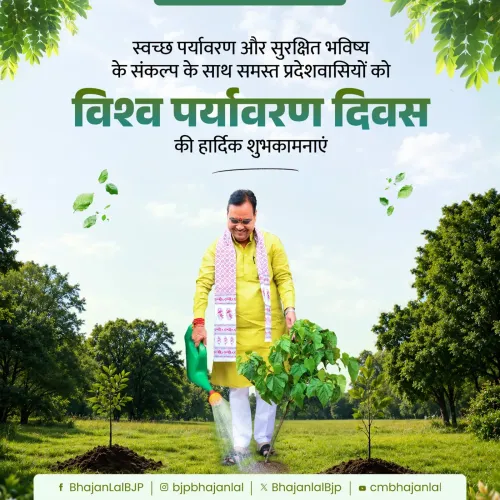
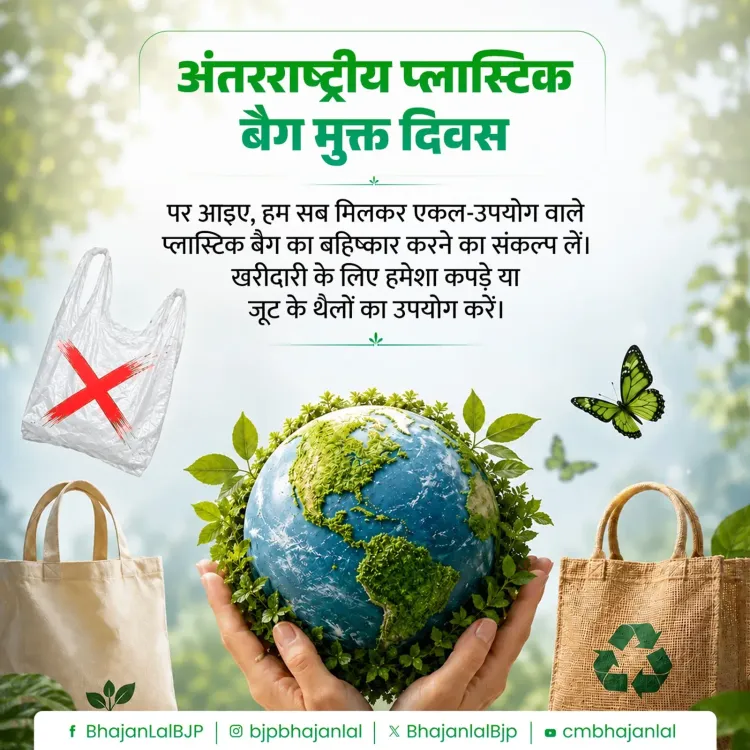
Rajasthan Chief Minister Bhajan Lal Sharma on Friday, 3 July 2026, called on citizens to pledge against single-use plastic bags on International Plastic Bag Free Day, urging them to switch to cloth and jute alternatives for everyday shopping. The appeal, posted on his official X account, frames individual behaviour change as central to environmental protection.
Context
Sharma's post, written in Hindi, reads: 'Antarrashtriya Plastic Bag Mukt Diwas par aaiye, hum sab milkar ekal-upyog wale plastic bag ka bahishkar karne ka sankalp lein.' — 'On International Plastic Bag Free Day, let us all together resolve to boycott single-use plastic bags.' He specifically asked people to 'always use cloth or jute bags for shopping,' adding that 'our small efforts will play a big role in environmental and nature conservation.'
International Plastic Bag Free Day is observed every year on 3 July as a global initiative to reduce reliance on single-use plastic bags, which are among the most persistent sources of land and marine pollution worldwide.
Policy Backdrop
India notified the Plastic Waste Management Rules in 2016 and subsequently strengthened them, introducing a prohibition on identified single-use plastic items effective 1 July 2022. Thin plastic carry bags below a specified thickness were among the items banned under this framework.
Rajasthan's awareness push fits within this national regulatory architecture. Across India, state governments have complemented the central ban with localised campaigns — distributing cloth and jute bags, running public-awareness drives, and conducting enforcement checks at markets and retail outlets. These efforts also align with India's international commitments to reduce marine litter and advance broader Sustainable Development Goals.
Stakeholders and Impact
Retail consumers are the primary audience of Sharma's message, as plastic carry bags remain deeply embedded in daily shopping habits at kirana stores, vegetable markets, and larger retail chains across Rajasthan. Local retailers, too, face the practical challenge of transitioning to permissible alternatives, which can carry higher upfront costs.
Cloth and jute bag alternatives have been promoted by both central and state agencies as durable, reusable substitutes. Jute, in particular, benefits from India's significant domestic production base, making it a commercially viable and eco-friendly option for mass adoption.
What's Next
The Chief Minister's public pledge call may signal the lead-up to state-level enforcement drives or distribution programmes for cloth bags in the weeks following July 2026. Observers will watch whether Rajasthan follows the appeal with concrete administrative action — such as market inspections, penalty notifications, or subsidised bag distribution — to translate the awareness moment into measurable behaviour change.
India's broader trajectory on plastic regulation continues to evolve, and state-level political messaging on days like International Plastic Bag Free Day remains a key mechanism for keeping public attention on the issue between formal policy announcements.
Point of View
High-visibility move that keeps Rajasthan aligned with the BJP-led central government's environmental messaging without requiring new legislative action. It reflects a broader pattern in Indian governance where symbolic awareness moments are used to reinforce existing regulatory frameworks — in this case, the 2022 single-use plastic ban — and to test public receptivity before more coercive enforcement steps. The real test will be whether the rhetoric translates into state-level administrative follow-through, such as market inspections or subsidised cloth bag distribution, which would distinguish a genuine policy push from routine ceremonial communication.
NationPress
1 Oct 2026
Frequently Asked Questions
What is International Plastic Bag Free Day?
International Plastic Bag Free Day is observed every year on 3 July as a global campaign to encourage people to stop using single-use plastic bags and adopt reusable alternatives such as cloth or jute bags.
What did Rajasthan CM Bhajan Lal Sharma say about plastic bags?
On 3 July 2026 , Rajasthan Chief Minister Bhajan Lal Sharma called on citizens to pledge to boycott single-use plastic bags and always use cloth or jute bags for shopping, saying small individual efforts would make a big difference for the environment.
Is single-use plastic banned in India?
Yes. India prohibited identified single-use plastic items, including thin plastic carry bags, under the Plastic Waste Management Rules with effect from 1 July 2022 . State governments are responsible for enforcement and awareness.
Why are cloth and jute bags recommended as alternatives to plastic?
Cloth and jute bags are reusable, biodegradable, and durable, making them far less harmful to the environment than single-use plastic bags. India has a significant domestic jute production base, making jute bags a commercially viable and eco-friendly mass alternative.
What action can Rajasthan take after this awareness appeal?
Following the public pledge call, Rajasthan could launch enforcement drives at markets, distribute subsidised cloth bags, or issue fresh state notifications on plastic penalties — steps that would translate the awareness campaign into measurable on-ground impact.