CM Bhajan Lal Launches DREAM Initiative for Rajasthan's Creative Economy
Synopsis
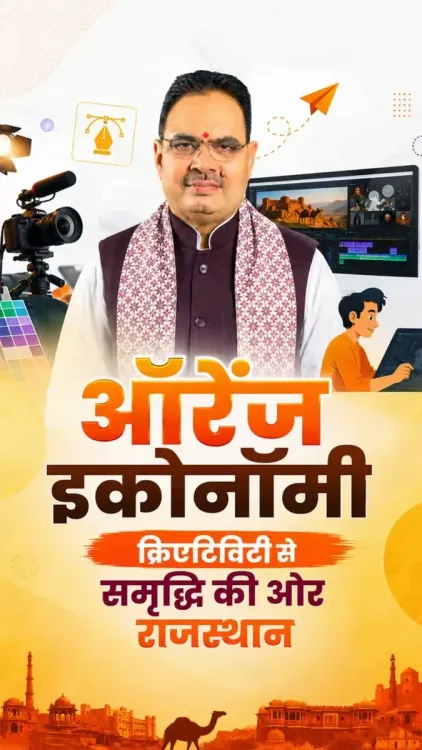
Rajasthan Chief Minister Bhajan Lal Sharma launched the DREAM initiative on 22 June 2026 to convert the state's art, handicrafts, cinema, music and digital creation into engines of economic growth, aligning with Prime Minister Modi's Orange Economy vision.
Key Takeaways
CM Bhajan Lal Sharma announced the DREAM initiative on 22 June 2026 to channel Rajasthan's creative sectors into economic development.
The initiative covers handicrafts, cinema, music and digital creation , targeting youth employment and state GDP growth.
DREAM is explicitly framed as an implementation of Prime Minister Narendra Modi 's Orange Economy vision.
Rajasthan's existing strengths in traditional arts, folk music and GI-tagged crafts provide a strong base for the programme.
The initiative aligns with the national Viksit Bharat framework, which aims to formalise cultural industries as economic contributors by 2047.
Budget allocations, institute partnerships and skilling programme details are yet to be announced publicly.
Rajasthan Chief Minister Bhajan Lal Sharma announced on Monday, 22 June 2026 the launch of the DREAM initiative, a state government programme aimed at harnessing Rajasthan's cultural wealth — spanning handicrafts, cinema, music and digital creation — as a driver of economic growth and youth employment.
Context
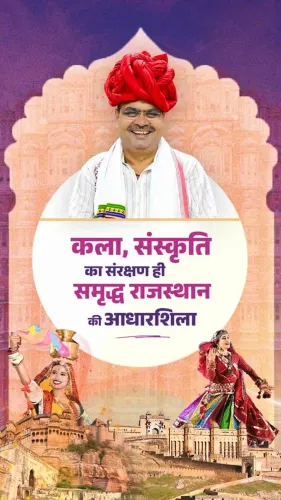
In his post, CM Sharma stated that the initiative is designed to give 'new flight' (नई उड़ान) to the state's rich art, culture and the imaginative power of its youth. He framed DREAM as a direct expression of Prime Minister Narendra Modi's 'Orange Economy' vision, which links creativity and innovation to national economic progress. The Chief Minister declared his government's resolve to make talent, handicrafts, cinema, music and digital creation the 'primary foundation of economic progress' in Rajasthan.
Policy Backdrop
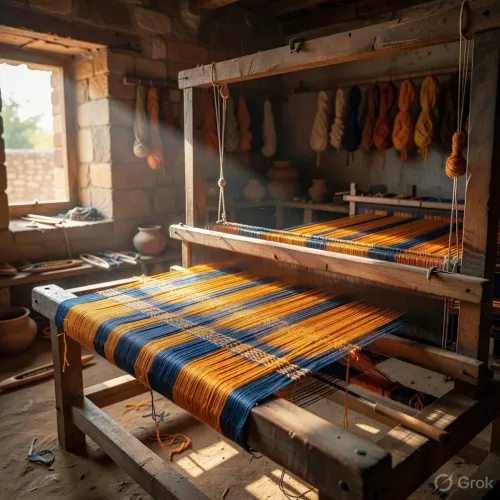
The concept of the Orange Economy — broadly defined as industries rooted in creativity, culture and intellectual property — has been a recurring theme in Union government policy statements since 2014. It positions creative sectors not merely as soft-power assets but as formal contributors to GDP and employment. Rajasthan is particularly well-placed to benefit from such a framework, given its centuries-old strengths in block printing, blue pottery, folk music traditions such as Manganiyar and Langas, and a thriving handicraft export sector.
The DREAM initiative follows a broader national pattern in which several Indian states have introduced creative-economy programmes to formalise heritage sectors, generate youth employment, and plug into global markets for cultural goods and digital content. The move also aligns with the Viksit Bharat framework, which envisions converting India's cultural assets into measurable economic output by 2047.
Stakeholders and Impact
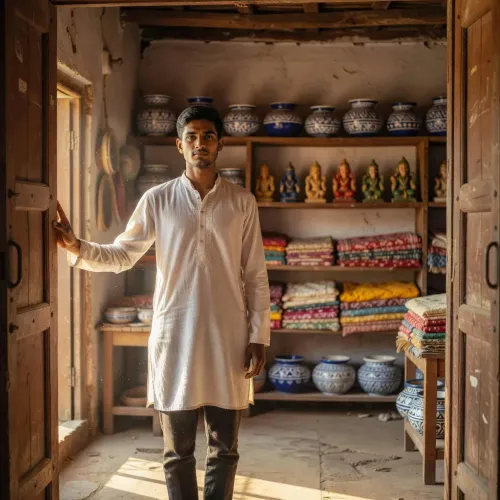
The initiative is expected to directly affect young artists and handicraft artisans across Rajasthan, who have historically operated in the informal economy with limited access to institutional support, credit or export linkages. By bringing cinema, music and digital creation under the same umbrella as traditional crafts, the government signals an intent to bridge the gap between heritage industries and the modern creative economy.
Artisan communities involved in Geographical Indication-tagged crafts — such as Jaipur's blue pottery and Barmer's embroidery — stand to gain if the initiative includes GI-tagging drives and market-linkage support. Younger creators working in digital content and independent cinema could also find new institutional backing under DREAM.
What's Next
Observers will watch closely for state budget allocations earmarked for DREAM, potential partnerships with national film and design institutes, and the rollout of skilling programmes targeting Rajasthan's artisan clusters. The operational structure and phased timelines of the initiative are yet to be detailed publicly. How the government translates the cultural ambition of DREAM into measurable employment and export targets will determine its long-term impact on Rajasthan's creative workforce.
Point of View
CM Sharma anchors a state programme within a central government narrative, a politically useful alignment ahead of future budget cycles and central scheme approvals. The breadth of sectors covered — from traditional handicrafts to digital content — is ambitious, and execution will hinge on whether the government can deliver concrete budget lines and institutional partnerships rather than a broad aspirational frame. If operationalised effectively, DREAM could serve as a replicable model for heritage-rich states seeking to bridge informal artisan economies with the formal digital-creative sector.
NationPress
21 Sept 2026
Frequently Asked Questions
What is the DREAM initiative launched by the Rajasthan government?
DREAM is a Rajasthan government programme announced by Chief Minister Bhajan Lal Sharma on 22 June 2026 to develop the state's art, handicrafts, cinema, music and digital creation as drivers of economic growth and youth employment.
What is the Orange Economy and how does it relate to DREAM?
The Orange Economy refers to industries rooted in creativity, culture and intellectual property. PM Narendra Modi has promoted this concept in national policy since 2014, and the DREAM initiative is framed as Rajasthan's implementation of that vision at the state level.
Who will benefit from the DREAM initiative in Rajasthan?
Young artists, handicraft artisans, musicians, filmmakers and digital content creators in Rajasthan are the primary intended beneficiaries of the DREAM initiative.
What sectors does the Rajasthan DREAM initiative cover?
The initiative covers traditional handicrafts, cinema, music, talent development and digital creation, aiming to formalise these sectors and link them to economic output.
What should we watch for next regarding the DREAM initiative?
Key developments to watch include state budget allocations for DREAM, partnerships with national film and design institutes, and the launch of skilling or GI-tagging programmes for Rajasthan's artisan communities.