CM Bhajan Lal Approves Rajasthan Industrial Development Policy
Synopsis
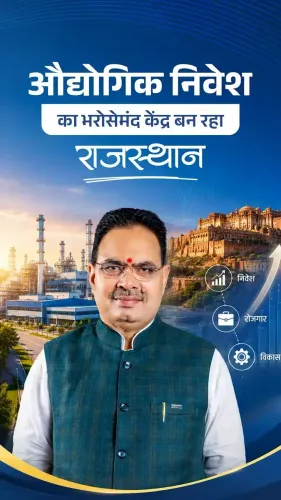
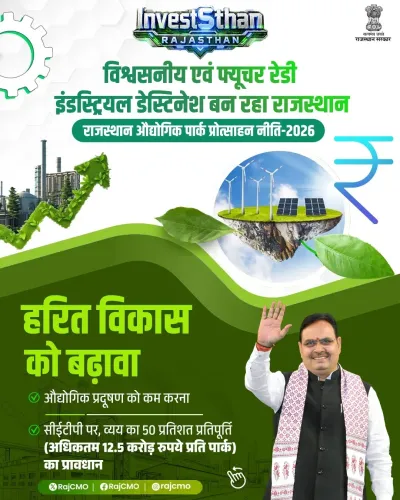
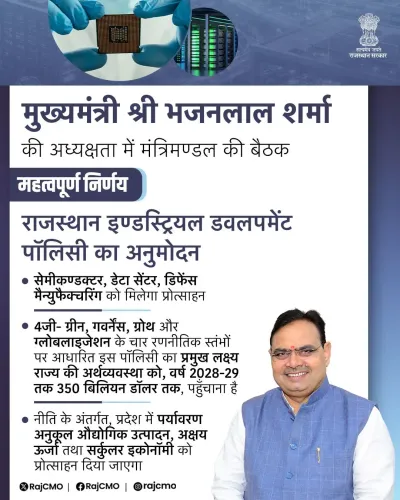
Rajasthan Chief Minister Bhajan Lal Sharma announced on 22 May 2026 that the state cabinet approved the Rajasthan Industrial Development Policy, aimed at positioning India's largest state by area as a global hub for investment and innovation.
Key Takeaways
The Rajasthan State Cabinet approved the Rajasthan Industrial Development Policy on 22 May 2026 .
CM Bhajan Lal Sharma framed the decision as part of a resolve to make Rajasthan a global centre of investment and innovation.
The policy seeks to diversify Rajasthan's economy beyond its traditional base of agriculture, tourism, minerals and textiles.
The framework is expected to benefit industrial investors and MSME entrepreneurs through streamlined regulations and sector incentives.
The move aligns with the central government's Make in India initiative and national production-linked incentive schemes introduced since 2020 .
Specific incentives, sector focus areas and single-window clearance details are yet to be publicly detailed.
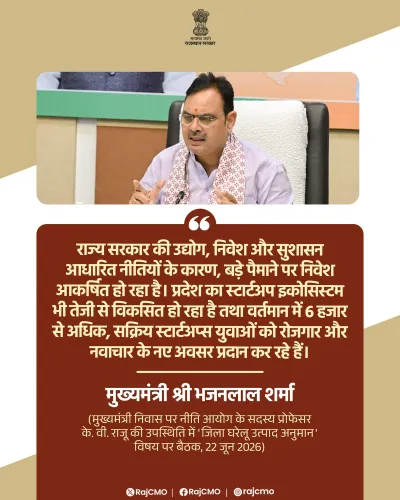
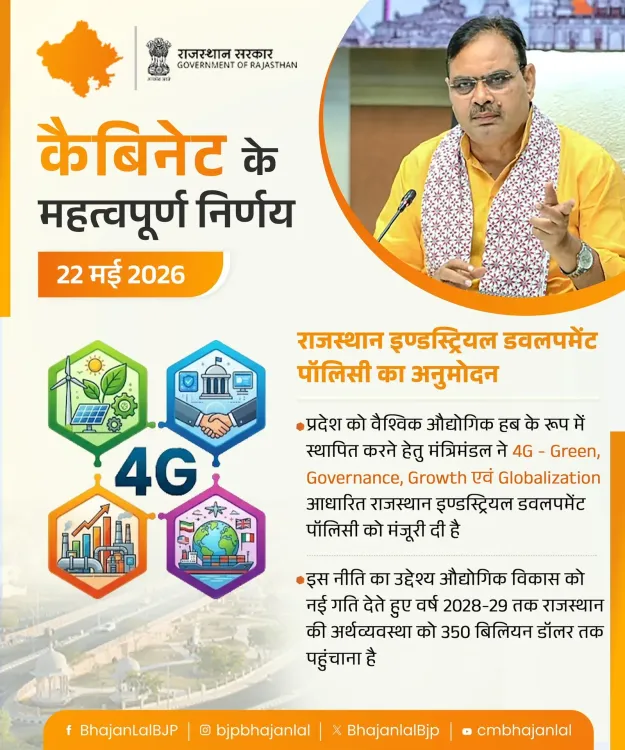
Rajasthan Chief Minister Bhajan Lal Sharma on Friday, 22 May 2026, announced that the state cabinet had approved the Rajasthan Industrial Development Policy, framing the decision as a step toward establishing the state as a global hub for investment and innovation.
Posting on X, the Chief Minister wrote — 'प्रदेश को निवेश और नवाचार के वैश्विक केंद्र के रूप में स्थापित करने के संकल्प के साथ, आज राज्य मंत्रिमंडल की बैठक में राजस्थान इंडस्ट्रियल डेवलपमेंट पॉलिसी का अनुमोदन किया गया।' — ('With the resolve to establish the state as a global centre of investment and innovation, the Rajasthan Industrial Development Policy was approved today in the state cabinet meeting.')
Context
The Rajasthan State Cabinet, the apex decision-making body headed by the Chief Minister, cleared the policy framework at its meeting on 22 May 2026. The announcement was made under the hashtags #CabinetDecision and #आपणो_अग्रणी_राजस्थान ('Our Pioneering Rajasthan'), signalling the government's intent to brand the state as a leading investment destination.
Bhajan Lal Sharma took office in December 2023 after the BJP won the Rajasthan assembly elections, with industrial growth and ease of doing business among the party's stated economic priorities for the state.
Policy Backdrop
Rajasthan is India's largest state by area, with an economy traditionally anchored in agriculture, tourism, minerals and textiles. The new industrial policy is aimed at diversifying this base toward advanced manufacturing and technology-led sectors.
The move aligns with the broader national trajectory set by the central government's Make in India initiative, launched in 2014, which prompted states to revise industrial frameworks to attract domestic and foreign investment. Since 2020, production-linked incentive schemes at the central level have further spurred states to sharpen their investment propositions. Rajasthan's policy revision follows a pattern seen across several Indian states seeking to improve their rankings on ease of doing business indices.
Stakeholders and Impact
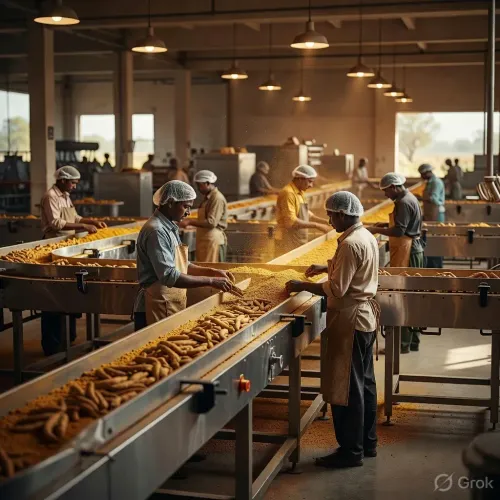
The policy is expected to be of direct relevance to industrial investors and MSME entrepreneurs looking to set up or expand operations in the state. By streamlining regulations and offering incentives for manufacturing and technology sectors, the framework seeks to lower entry barriers and reduce compliance burdens for businesses of all scales.
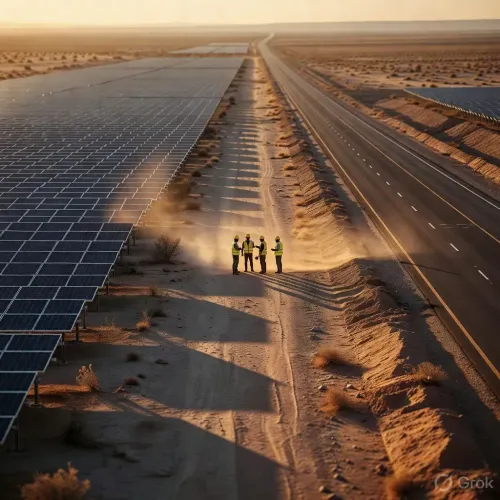
Rajasthan's geographic location, mineral wealth and existing infrastructure base give it a competitive edge in sectors such as renewable energy, mining-linked manufacturing and logistics — areas likely to feature in any investment promotion effort built around the new policy.
What's Next
Attention will now turn to the rollout of specific incentives, sector focus areas and single-window clearance mechanisms that will determine the policy's operational impact. The government is expected to follow up with investment promotion events or summits to translate the cabinet approval into on-ground commitments from industry.
How effectively the state operationalises the framework — particularly in simplifying clearances and building investor confidence — will be the key measure of whether Rajasthan can meaningfully reposition itself as a preferred destination for innovation-led industrial growth in the coming years.
Point of View
Coming roughly two and a half years into its term. By anchoring the announcement in the language of global competitiveness — 'investment and innovation hub' — the BJP administration is clearly positioning Rajasthan to compete with industrially aggressive states for domestic and foreign capital. The timing also reflects a broader federal dynamic in which state governments are racing to align with central incentive architecture, particularly in manufacturing and clean energy. Whether the policy translates into measurable investment inflows will depend heavily on implementation quality, especially the credibility of single-window clearance mechanisms that have historically been a weak link in state industrial policy execution.
NationPress
20 Sept 2026
Frequently Asked Questions
What is the Rajasthan Industrial Development Policy?
The Rajasthan Industrial Development Policy is a framework approved by the Rajasthan State Cabinet on 22 May 2026, designed to position the state as a global hub for investment and innovation by streamlining regulations and offering incentives for manufacturing and technology sectors.
Who approved the Rajasthan Industrial Development Policy?
The policy was approved by the Rajasthan State Cabinet, headed by Chief Minister Bhajan Lal Sharma, at its meeting on 22 May 2026.
What is the aim of Rajasthan's new industrial policy?
The policy aims to diversify Rajasthan's economy beyond agriculture, tourism and minerals toward advanced manufacturing and technology-led sectors, making it a competitive destination for domestic and foreign investment.
How does the Rajasthan Industrial Development Policy relate to Make in India?
The policy aligns with the central government's Make in India initiative launched in 2014, which encouraged states to revise industrial frameworks to attract investment, and builds on production-linked incentive schemes introduced since 2020.
Who will benefit from the Rajasthan Industrial Development Policy?
Industrial investors and MSME entrepreneurs are the primary intended beneficiaries, with the policy expected to lower entry barriers and reduce compliance burdens through streamlined regulations and sector-specific incentives.