CM Bhajan Lal plants trees under Hariyalo Rajasthan drive
Synopsis
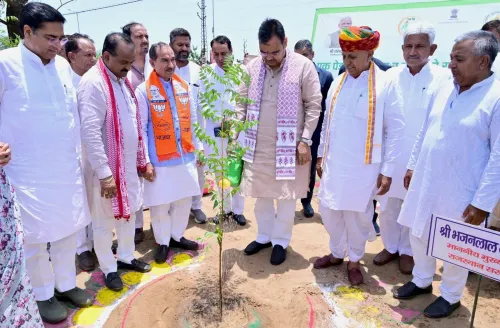
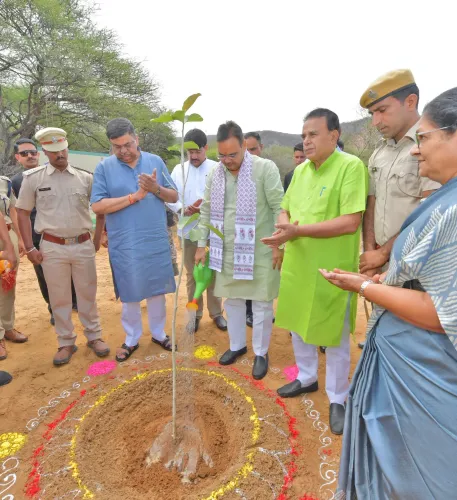
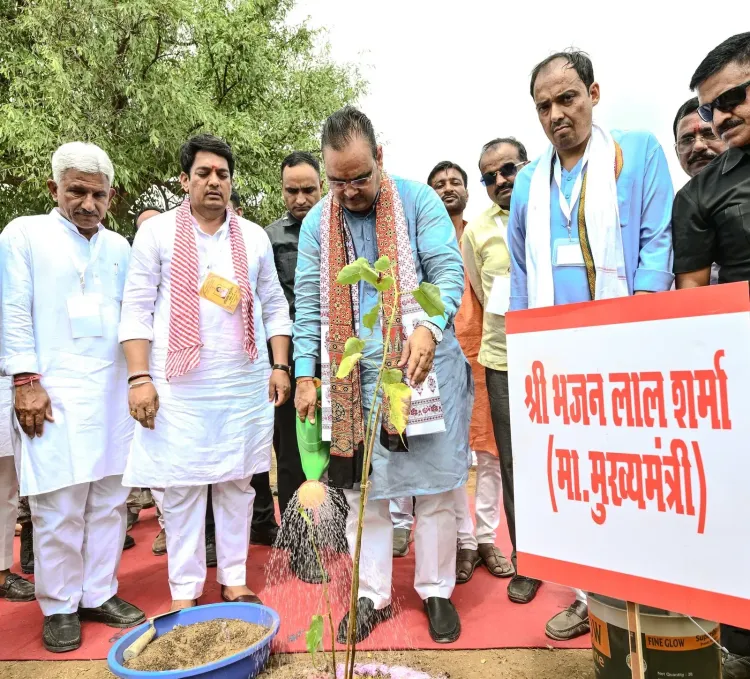
Rajasthan Chief Minister Bhajan Lal Sharma planted trees at Namo Van in Beawar district on 2 July 2026 under the Hariyalo Rajasthan Abhiyan and the national Ek Ped Maa Ke Naam campaign, urging all state residents to plant and protect trees for a greener Rajasthan.
Key Takeaways
CM Bhajan Lal Sharma participated in a tree plantation drive on 2 July 2026 at Namo Van, Devmali village, Beawar district.
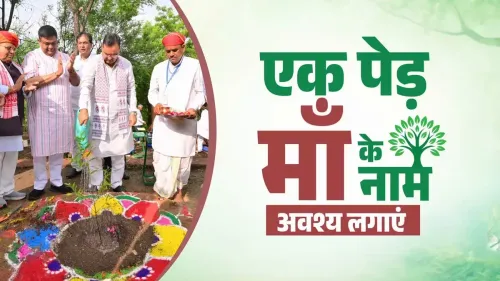
The event was held under two campaigns: the national Ek Ped Maa Ke Naam initiative launched by PM Modi in 2024 and the state's Hariyalo Rajasthan Abhiyan.
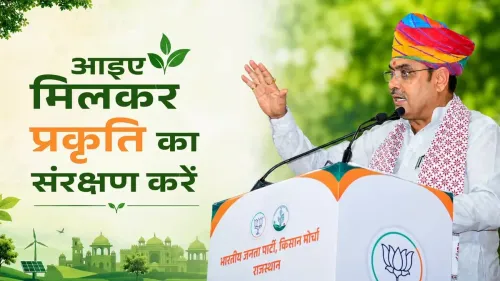
CM Sharma described the Hariyalo Rajasthan Abhiyan as 'a pledge for the secure future of coming generations.' He called on all Rajasthan residents to plant, nurture, and protect trees as part of building a green, clean, and developed state.
Beawar district lies in Rajasthan's semi-arid belt, where afforestation is critical to combating desertification and improving climate resilience.
India's commitments under the National Forest Policy and the Bonn Challenge provide the broader policy framework for such state-level drives.
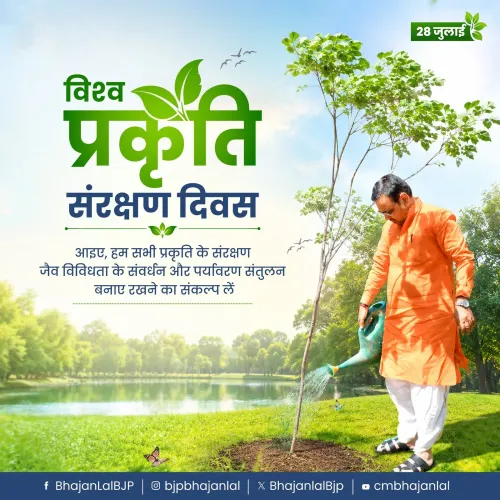
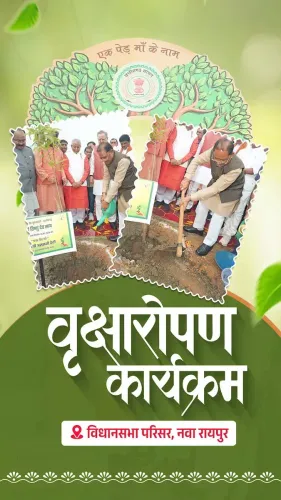
Rajasthan Chief Minister Bhajan Lal Sharma participated in a tree plantation drive on 2 July 2026 at Namo Van in Devmali village, Beawar district, planting saplings under both the Ek Ped Maa Ke Naam (One Tree in Mother's Name) initiative and the state's Hariyalo Rajasthan Abhiyan (Green Rajasthan Campaign). Sharma urged all residents of the state to fulfil their duty toward nature by planting and nurturing trees as part of building a greener, cleaner, and developed Rajasthan.
Context
Posting on X, CM Sharma wrote: 'Aaj Beawar jile ke Devmali gaon sthit Namo Van mein ek ped maa ke naam evam Hariyalo Rajasthan Abhiyan ke antargat vriksharopan kiya' — 'Today I planted trees at Namo Van in Devmali village, Beawar district, under the One Tree in Mother's Name and Hariyalo Rajasthan campaigns.' He described the Hariyalo Rajasthan Abhiyan as 'a pledge for the secure future of coming generations' and called on all state residents to participate in building a 'green, clean, and developed Rajasthan.'
The event took place at Namo Van, a dedicated plantation site developed under central and state green initiatives. Beawar district lies in the semi-arid belt of Rajasthan, making afforestation in the region particularly significant for ecological stability.
Policy Backdrop
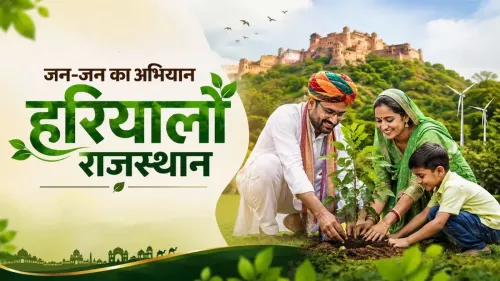
The Ek Ped Maa Ke Naam campaign was launched nationally by Prime Minister Narendra Modi in 2024, encouraging citizens across India to plant a tree in honour of their mothers as a mass ecological movement. The Hariyalo Rajasthan Abhiyan is the state government's own afforestation campaign aimed at expanding green cover and strengthening climate resilience in a state where large arid and semi-arid zones are vulnerable to desertification.
Rajasthan has a history of successive afforestation drives dating to earlier Hariyali Abhiyan programmes in the 2010s. The dual branding of the central and state schemes at this event reflects the Rajasthan government's approach of aligning state-level environmental programmes with Union-level priorities to maximise outreach and resources.
Stakeholders and Impact
The primary beneficiaries of sustained plantation drives are Rajasthan's rural communities, who face the direct consequences of soil erosion, water scarcity, and extreme heat intensified by low forest cover. Increased tree cover in districts like Beawar can improve local microclimates, support groundwater recharge, and provide livelihood resources such as timber and non-timber forest produce.
India has committed under the Bonn Challenge and its own National Forest Policy to restore and expand forest and tree cover to 33 per cent of the country's geographical area. Rajasthan's campaigns contribute to meeting these national and international targets, though the state's arid geography makes achieving and sustaining cover a long-term challenge.
What's Next
The monsoon season, which typically spans July to September, is the primary window for large-scale plantation activity in Rajasthan, as soil moisture improves sapling survival rates. Authorities and environmental observers will watch whether the state expands Namo Van sites to additional districts and tracks sapling survival data to measure the campaign's ecological impact beyond the planting event itself.
Sustained community participation — the outcome CM Sharma explicitly called for — will be critical to converting single-day drives into lasting green cover across the state's vast and ecologically stressed landscape.
Point of View
Reinforcing political continuity between Jaipur and New Delhi. For a state where arid and semi-arid zones cover a substantial portion of the land, visible leadership participation in afforestation drives carries both ecological and political signalling value. The Hariyalo Rajasthan Abhiyan also allows the state government to build a distinct brand identity around environmental governance ahead of future electoral cycles. The real test, however, will be in post-monsoon survival audits of planted saplings — a metric that separates durable green policy from ceremonial optics.
NationPress
1 Oct 2026
Frequently Asked Questions
What is the Hariyalo Rajasthan Abhiyan?
The Hariyalo Rajasthan Abhiyan is a state-level afforestation and tree plantation campaign run by the Rajasthan government to increase green cover, combat desertification, and strengthen ecological resilience across the state.
What is Ek Ped Maa Ke Naam?
Ek Ped Maa Ke Naam, meaning 'One Tree in Mother's Name,' is a national tree plantation campaign launched by Prime Minister Narendra Modi in 2024 encouraging citizens to plant a tree as a tribute to their mothers.
Where did CM Bhajan Lal Sharma plant trees on 2 July 2026?
CM Bhajan Lal Sharma planted trees at Namo Van located in Devmali village in Beawar district, Rajasthan.
What is Namo Van in Rajasthan?
Namo Van is a dedicated tree plantation and green space site developed in Rajasthan under central and state environmental initiatives to support afforestation goals.
Why is tree plantation important in Rajasthan?
Rajasthan has large arid and semi-arid zones that are vulnerable to desertification, soil erosion, and extreme heat. Tree plantation drives help improve green cover, support groundwater recharge, and contribute to India's national forest cover targets under the National Forest Policy and international commitments like the Bonn Challenge.