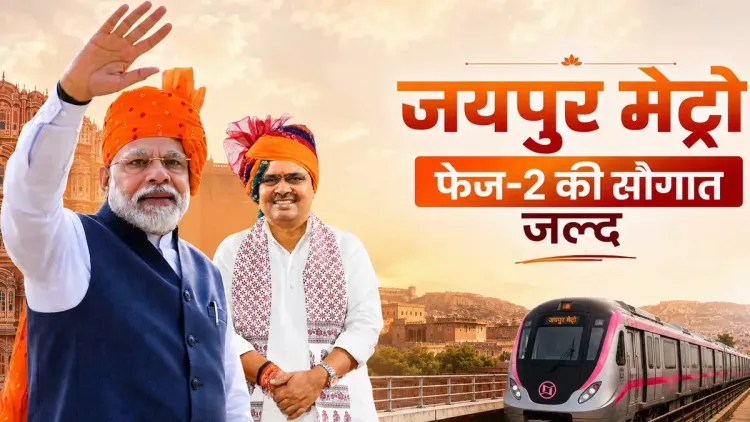
CM Bhajan Lal: PM Modi to lay Jaipur Metro Phase-2 stone on July 4
Synopsis
Rajasthan CM Bhajan Lal Sharma announced that PM Narendra Modi will lay the foundation stone of Jaipur Metro Phase-2 on 4 July 2026, promising improved urban mobility for the state capital and continuing the central government's metro expansion drive across Indian cities.
Key Takeaways
Rajasthan CM Bhajan Lal Sharma announced the foundation-stone ceremony for Jaipur Metro Phase-2 on 4 July 2026 .
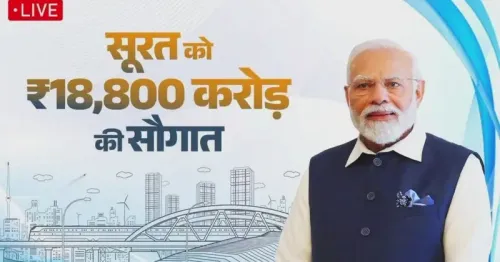
Prime Minister Narendra Modi will personally perform the foundation-laying.
Jaipur Metro Phase-1 has been operational since 2015 , making Rajasthan the first state in northwest India with metro rail.
The project is aimed at reducing traffic congestion, saving commute time, and accelerating urban development in Jaipur .
The announcement fits a broader pattern of PM Modi laying metro foundation stones across state capitals since 2014.
Post-ceremony milestones to watch include tendering, land acquisition, and Phase-1 to Phase-2 corridor integration.
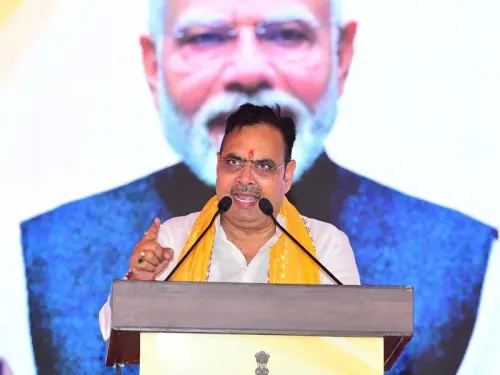
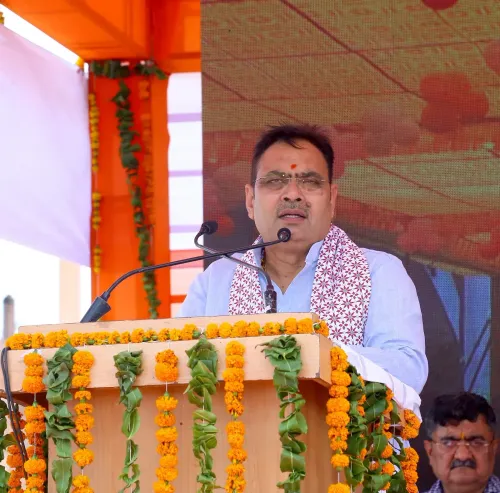
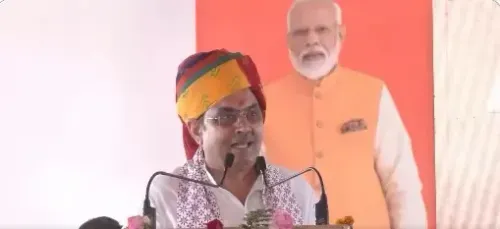
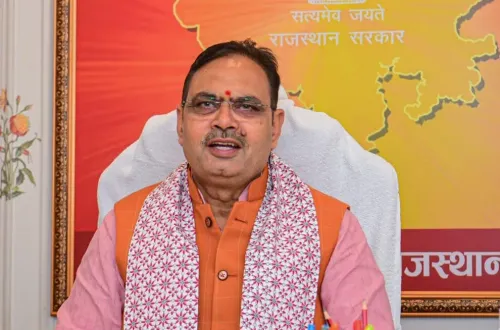
Rajasthan Chief Minister Bhajan Lal Sharma announced on Wednesday, June 25, 2026, that Prime Minister Narendra Modi will lay the foundation stone of Jaipur Metro Phase-2 on 4 July 2026, marking a significant step in expanding the state capital's urban transport network.
Context
Posting in Hindi on X, CM Sharma described the upcoming event as 'ek aur badi saugaat' (yet another major gift) for Jaipur. He stated that the Prime Minister's hands would perform the foundation-laying ceremony, calling the project central to making the city's traffic 'more seamless, time-saving, and giving fresh momentum to the capital's overall urban development.'
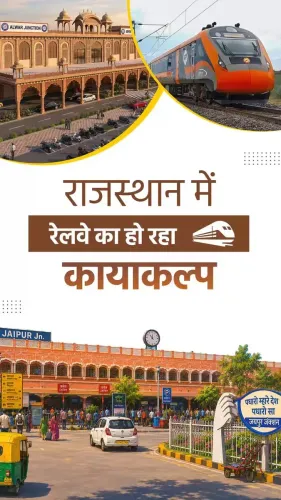
The announcement positions Jaipur Metro Phase-2 as the next chapter in the city's public transport story, building on the operational Phase-1 corridor that first opened to commuters in 2015 — making Rajasthan the first state in northwest India to run a metro rail service.
Policy Backdrop
Jaipur Metro Phase-1 established a baseline for urban rail in the state, yet coverage has remained limited relative to the city's expanding population and road congestion. The central government has backed metro expansion across state capitals through urban infrastructure programmes, including AMRUT (Atal Mission for Rejuvenation and Urban Transformation) and the Smart Cities Mission, both of which prioritise sustainable urban mobility.
Since 2014, Prime Minister Modi has personally laid foundation stones for metro projects in cities such as Ahmedabad, Lucknow, and Pune, establishing a pattern of high-visibility central-state collaboration on rail infrastructure. A foundation-laying by the Prime Minister typically signals that central funding approval and inter-governmental alignment are already in place.
Stakeholders and Impact
Jaipur's daily commuters stand to benefit most directly from an expanded metro network that promises to ease pressure on the city's road arteries. Urban residents in areas not yet served by Phase-1 could gain access to faster, lower-emission public transport, reducing dependence on private vehicles and autorickshaws.
The project also carries economic significance: metro corridors typically spur real-estate activity and commercial development along their alignments, and construction itself generates employment. For the BJP-led state government, the event represents a visible infrastructure milestone ahead of future electoral cycles.
What's Next
The 4 July 2026 foundation ceremony is the formal public launch of the project. What follows — tendering, land acquisition, and the engineering work of integrating the new corridor with the existing Phase-1 network — will determine how quickly commuters see tangible benefits.
Planners and urban-transport advocates will watch closely for the release of detailed alignment maps, station locations, and a construction timeline. The degree to which Phase-2 connects currently underserved neighbourhoods will be the key test of whether the project delivers on its promise of 'comprehensive urban development' for Jaipur.
Point of View
Lending the project credibility beyond a state-level pledge. For CM Bhajan Lal Sharma, whose government is less than three years old, attaching PM Modi's brand to a flagship infrastructure event is a calculated move to demonstrate delivery on urban development promises. The Jaipur Metro Phase-2 also fits into a decade-long national narrative of metro rail as the benchmark of a 'modern' Indian city, a metric the BJP has consistently used to measure governance. The real political and policy test, however, will come not on foundation day but when shovels actually hit the ground and timelines are published.
NationPress
24 Jun 2026
Frequently Asked Questions
When will Jaipur Metro Phase-2 foundation stone be laid?
Prime Minister Narendra Modi is scheduled to lay the foundation stone of Jaipur Metro Phase-2 on 4 July 2026 , as announced by Rajasthan CM Bhajan Lal Sharma.
What is Jaipur Metro Phase-2?
Jaipur Metro Phase-2 is a planned extension of the existing metro rail network in Jaipur, aimed at expanding public transport coverage beyond the Phase-1 corridor that has been operational since 2015.
Who announced Jaipur Metro Phase-2?
Rajasthan Chief Minister Bhajan Lal Sharma made the announcement on his official X account on 25 June 2026.
How does Jaipur Metro Phase-2 benefit commuters?
The project is expected to ease road congestion, reduce commute times, and provide modern public transport to parts of Jaipur not currently served by Phase-1, lowering dependence on private vehicles.
What is the current status of Jaipur Metro?
Jaipur Metro Phase-1 has been operational since 2015 and was the first metro rail service in Rajasthan. Phase-2 is now moving to the foundation-stone stage, with construction details yet to be officially released.