CM Bhajan Lal holds Delhi meet on Yamuna water project
Synopsis
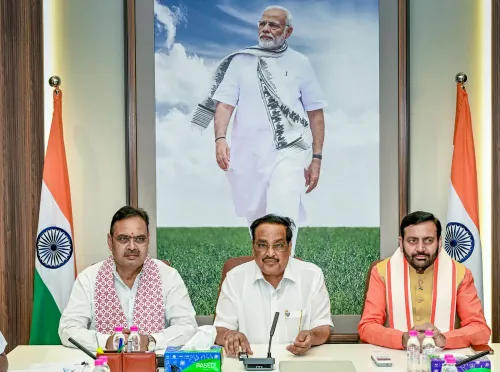
Rajasthan CM Bhajan Lal Sharma, Union Jal Shakti Minister C. R. Patil, and Haryana CM Nayab Saini met in New Delhi on 23 June 2026 to advance MoA discussions on the Yamuna Water Project and Kishau Dam, aiming to deliver drinking water and irrigation to the arid Shekhawati region.
Key Takeaways
Rajasthan CM Bhajan Lal Sharma held a trilateral meeting in New Delhi on 23 June 2026 with Union Jal Shakti Minister C.
Patil and Haryana CM Nayab Singh Saini .
Discussions covered multiple clauses of the Memorandum of Agreement (MoA) for the Yamuna Water Project .
The Kishau Dam Project , a proposed Yamuna storage facility, was also discussed at the meeting.
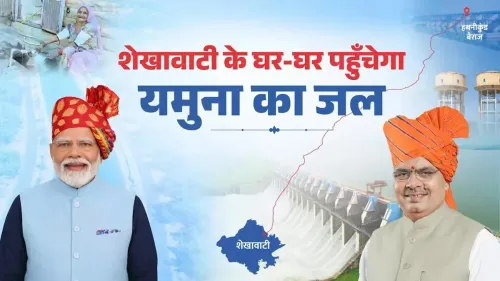
The project aims to provide drinking water and irrigation to the arid Shekhawati region (Sikar, Jhunjhunu, Churu districts).
The 1994 Yamuna MoU forms the legal backbone of inter-state water allocation among Haryana, Rajasthan, UP, Delhi, and Himachal Pradesh.
Next steps include finalising the MoA draft for state cabinet approvals and obtaining technical and environmental clearances for Kishau Dam.
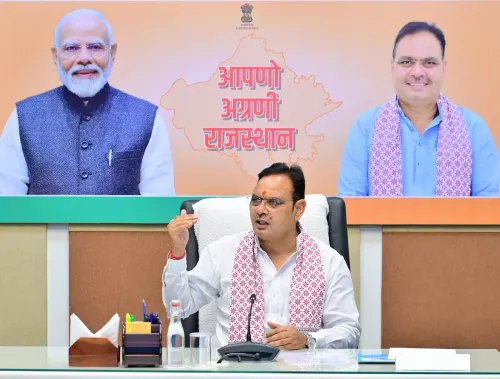
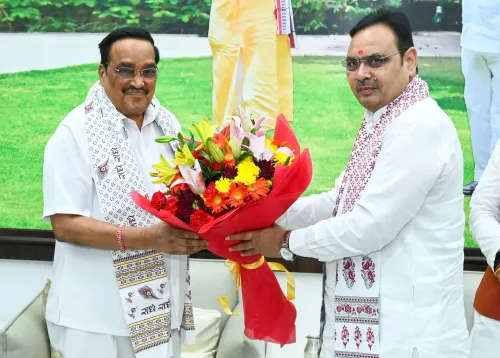
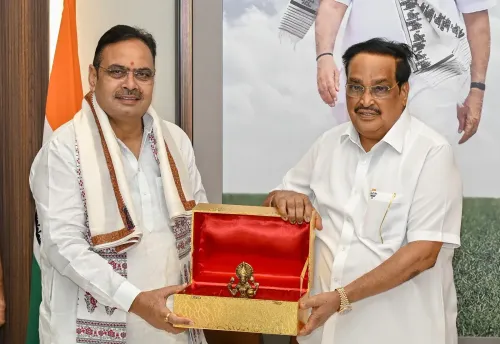
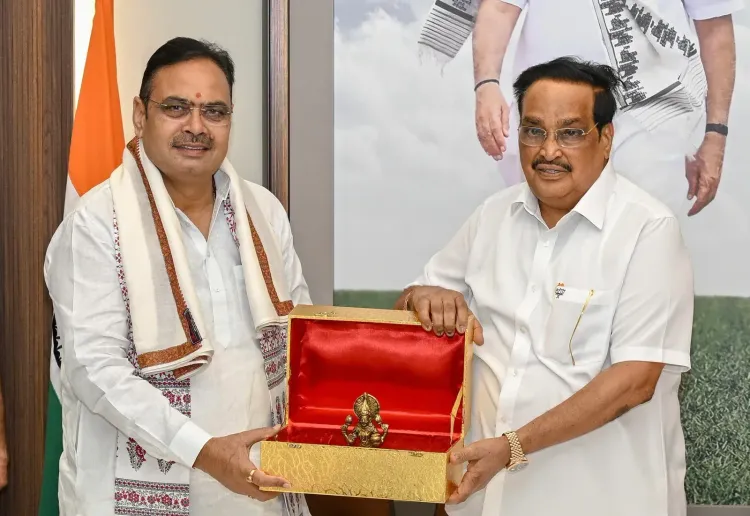
Rajasthan Chief Minister Bhajan Lal Sharma met with Union Jal Shakti Minister C. R. Patil and Haryana Chief Minister Nayab Singh Saini in New Delhi on Tuesday, 23 June 2026, to advance the long-pending Yamuna Water Project. The trilateral meeting focused on key clauses of the Memorandum of Agreement (MoA) and also took up matters related to the Kishau Dam Project.
Context
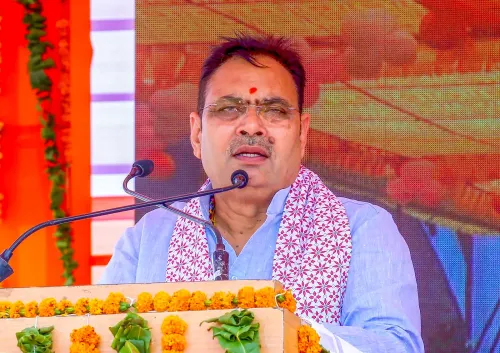
Posting on X, CM Sharma described the discussions as 'vistar evam sakaratmak' (detailed and positive), noting that various points of the MoA were examined at length. He credited Prime Minister Narendra Modi's guidance and vision for accelerating a project that has remained pending for years, stating that it is now 'sakar hone ki disha mein tezi se agrasit hai' — 'moving swiftly toward realisation.'
The Rajasthan government has framed the project as a commitment made in collaboration with both the Central government and the Haryana government, with the stated aim of bringing it to ground level at the earliest.
Policy Backdrop
The Yamuna water-sharing framework dates to the 1994 Memorandum of Understanding, which established proportional allocations among basin states — Haryana, Rajasthan, Uttar Pradesh, Delhi, and Himachal Pradesh — and created the Upper Yamuna River Board to oversee implementation. Despite the MoU, converting paper entitlements into actual water supply has remained a challenge for decades.
The Kishau Dam, a proposed storage project on the Yamuna, is seen as a critical upstream intervention that would regulate flows and increase usable water for downstream states including Rajasthan. The involvement of the Jal Shakti Ministry signals a push toward basin-level planning under the national water policy framework, with the Centre acting as a facilitator between state governments.
Stakeholders and Impact
The project's primary beneficiaries would be residents of the Shekhawati region — comprising the arid districts of Sikar, Jhunjhunu, and Churu in northern Rajasthan — which has historically faced chronic deficits in both drinking water and irrigation supply. CM Sharma specifically noted that the project will provide potable water to the region while also meeting the irrigation needs of farmers.
Beyond immediate water access, the Rajasthan government has positioned the project as a driver of broader regional development, prosperity, and well-being for the Shekhawati belt. Farmers dependent on erratic groundwater and rain-fed agriculture stand to gain the most from a regulated canal-based supply.
What's Next
The immediate next steps are expected to include circulation of a finalised MoA draft for approval by the respective state cabinets, followed by submission of the Kishau Dam Project for technical and environmental clearances from the relevant central authorities. A formal signing of the MoA would mark the transition from negotiation to implementation.
The pace of these clearances and the alignment of political will across three governments — Centre, Rajasthan, and Haryana — will determine how quickly the project moves from the conference room to construction sites in the Shekhawati region.
Point of View
With the Centre now playing a direct convening role. For CM Bhajan Lal Sharma, visible progress on the project addresses a long-standing grievance in the water-scarce Shekhawati belt ahead of future electoral cycles. The trilateral format — involving the Jal Shakti Ministry alongside two BJP-governed states — also reflects the ruling party's capacity to fast-track infrastructure negotiations when political alignment exists across governments. However, the real test will be the speed of environmental and technical clearances for the Kishau Dam, where delays have historically stalled similar projects.
NationPress
21 Sept 2026
Frequently Asked Questions
What is the Yamuna Water Project for Rajasthan?
The Yamuna Water Project refers to a set of infrastructure proposals — including canal systems and the Kishau Dam — aimed at channelling Rajasthan's share of Yamuna river water, as established under the 1994 inter-state MoU, to supply drinking water and irrigation to regions like Shekhawati.
What is the Kishau Dam and why does it matter for Rajasthan?
The Kishau Dam is a proposed storage dam on the Yamuna river designed to regulate upstream flows and increase usable water availability for downstream states. For Rajasthan, it is a critical project that could convert the state's paper water entitlement into an actual, reliable supply.
Which districts in Rajasthan will benefit from the Yamuna Water Project?
The primary beneficiaries are the three districts of the Shekhawati region — Sikar, Jhunjhunu, and Churu — which face chronic shortages of both drinking water and irrigation supply due to their arid geography.
What is the MoA being discussed for the Yamuna Water Project?
The Memorandum of Agreement (MoA) is a formal inter-state document that would set out the agreed terms — including water shares, project timelines, and cost-sharing — between Rajasthan, Haryana, and the Centre for implementing the Yamuna Water Project.
What are the next steps after the 23 June 2026 New Delhi meeting?
The expected next steps include finalising the MoA draft and sending it for approval by the respective state cabinets, followed by submission of the Kishau Dam Project for technical and environmental clearances from central authorities.