Yamuna Water Project: Rajasthan CM Bhajanlal heads to Delhi for MoA talks on Shekhawati supply
Synopsis
Thirty years after Rajasthan was allocated 577 MCM of Yamuna water, the state's CM is finally sitting across the table with Haryana's CM and the Union Jal Shakti Minister to sign an MoA. With ₹32,000 crore budgeted and a DPR already with the Central Water Commission, the Shekhawati region's long wait for piped Yamuna water may be nearing its end.
Key Takeaways
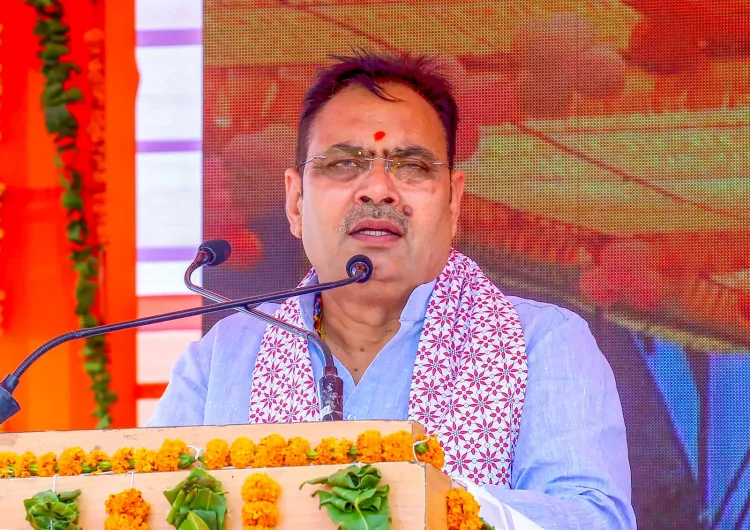
Rajasthan CM Bhajanlal Sharma travels to New Delhi on 23 June for a high-level meeting on the Yamuna Water Project .
Meeting also includes Union Jal Shakti Minister C.R.
Patil and Haryana CM Nayab Singh Saini ; agenda is finalising the MoA .
Rajasthan was allocated 577 MCM of surplus Yamuna water annually under the May 1994 Yamuna Water Agreement — water that has not yet been supplied.
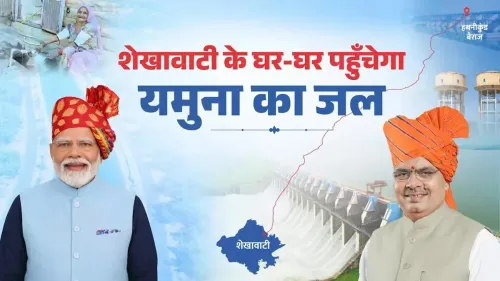
The DPR proposes four underground pipelines from Hathnikund Barrage , covering 265 km of infrastructure to serve Churu, Sikar, Jhunjhunu , and border districts.
Project cost estimated at ₹31,000 crore ; Rajasthan has budgeted ₹32,000 crore in its 2026-27 state budget .
A joint DPR has been submitted to the Central Water Commission ; construction to begin after Central Government approval.
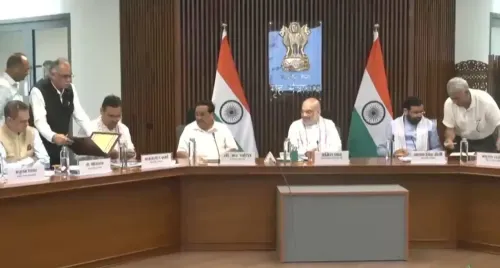
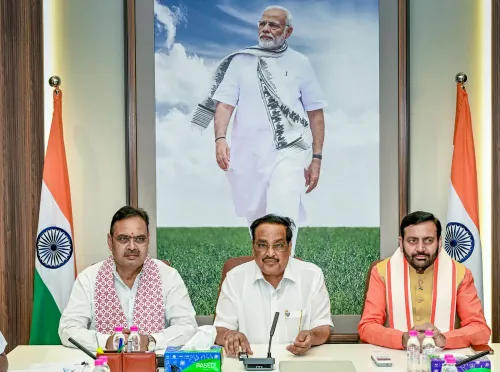
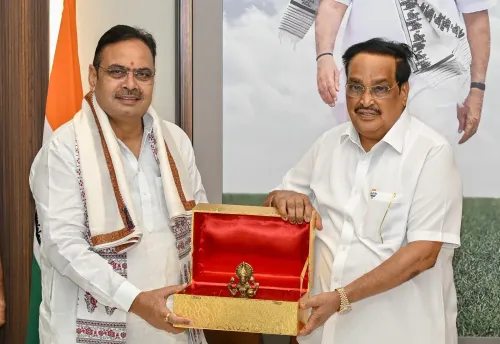
Rajasthan Chief Minister Bhajanlal Sharma is travelling to New Delhi on Tuesday, 23 June to attend a high-level meeting on the Yamuna Water Project, a long-pending initiative aimed at delivering drinking water to the parched Shekhawati districts of the state. The meeting will be chaired alongside Union Jal Shakti Minister C.R. Patil and Haryana Chief Minister Nayab Singh Saini, with senior departmental officials also in attendance.
What Is on the Agenda
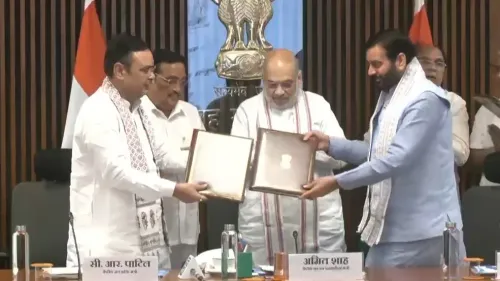
The central focus of the meeting is finalising the Memorandum of Agreement (MoA) for the project and resolving outstanding implementation issues. Both state governments — Rajasthan and Haryana — have already jointly prepared a Detailed Project Report (DPR), which has been submitted to the Central Water Commission for review. Work on the ground is expected to begin once the Centre formally approves the DPR.
Roots of the Project: The 1994 Yamuna Agreement
The project draws its legal basis from the Yamuna Water Agreement signed in May 1994 among Rajasthan, Haryana, Uttar Pradesh, Himachal Pradesh, and Delhi. Under that accord, Rajasthan was allocated 577 million cubic metres (MCM) of surplus Yamuna water annually during the monsoon months of July to October, drawn from the Tajewala Head — now known as the Hathnikund Barrage in Haryana. Notably, despite this allocation being over three decades old, the water has not yet reached Rajasthan, making Tuesday's talks a critical inflection point.
Infrastructure Proposed Under the DPR
The DPR envisions four underground pipelines originating from the Hathnikund Barrage. Three of these pipelines will carry drinking water to the Shekhawati districts of Churu, Sikar, and Jhunjhunu, while the fourth will serve border areas shared between Haryana and Rajasthan. The project will also supply drinking water to Haryana's Dadri, Bhiwani, and Hisar districts, making it a cross-state benefit. Approximately 265 kilometres of pipeline infrastructure is proposed between Haryana and Churu.
Project Cost and Budget Allocation
Earlier estimates placed the project cost at approximately ₹31,000 crore, though the final figure will be confirmed only after DPR approval. The Rajasthan government has already earmarked ₹32,000 crore for the project in its 2026-27 state budget, signalling firm financial commitment. Officials believe the project will also benefit the agricultural sector by improving water availability for farmers across the Shekhawati belt.
What Comes Next
With the DPR under Central Water Commission review and the MoA discussion now at the ministerial level, the project appears closer to execution than at any point since the 1994 agreement. A successful conclusion to Tuesday's meeting could unlock formal Central Government approval and set a construction timeline in motion for one of Rajasthan's most consequential water infrastructure bets.
Point of View
Yet not a drop has reached Shekhawati. That the MoA is still being 'finalised' in 2025 points to chronic inter-state coordination failure that no single meeting can fully resolve. The ₹32,000 crore budget line is a credible signal of intent, but intent has existed before. The test will be whether Tuesday's talks produce a signed MoA with a binding construction schedule — or another round of productive discussions that reset the clock.
NationPress
21 Sept 2026
Frequently Asked Questions
What is the Yamuna Water Project for Rajasthan's Shekhawati region?
It is a joint infrastructure initiative between Rajasthan and Haryana to supply Yamuna river water to the water-scarce Shekhawati districts of Churu, Sikar, and Jhunjhunu via four underground pipelines from the Hathnikund Barrage. The project is backed by a 1994 inter-state agreement that allocated 577 MCM of surplus Yamuna water annually to Rajasthan.
Why has the Yamuna water not reached Rajasthan despite the 1994 agreement?
The 1994 Yamuna Water Agreement allocated water to Rajasthan, but implementation has been stalled by unresolved inter-state coordination issues and the absence of a finalised Memorandum of Agreement. The 23 June meeting in New Delhi is aimed directly at breaking this deadlock.
What is the estimated cost of the Yamuna Water Project?
Earlier estimates put the project cost at approximately ₹31,000 crore. Rajasthan has already allocated ₹32,000 crore in its 2026-27 state budget; the final figure will be confirmed after the Central Water Commission approves the joint DPR.
Which districts will benefit from the Yamuna Water Project?
On the Rajasthan side, the project will supply drinking water to the Shekhawati districts of Churu, Sikar, and Jhunjhunu, as well as border areas. On the Haryana side, Dadri, Bhiwani, and Hisar districts are also set to receive drinking water through the same pipeline network.
What happens after Tuesday's meeting?
If the MoA is finalised, the next step is formal Central Government approval of the joint DPR submitted to the Central Water Commission. Construction of the approximately 265-kilometre pipeline network from Hathnikund Barrage is expected to begin only after that approval is granted.