Rajasthan-Haryana sign ₹34,102 crore Yamuna Water Project MoA after 32 years
Synopsis
A water dispute that outlasted five chief ministers and three decades of negotiations was finally resolved on 29 June as Rajasthan and Haryana signed the MoA for the ₹34,102 crore Yamuna Water Project. The 295.5-km underground pipeline — from Hathnikund Barrage to Churu — could transform the water-parched Shekhawati belt and reset the template for inter-state river cooperation in India.
Key Takeaways
Rajasthan and Haryana signed the Yamuna Water Project MoA in New Delhi on 29 June 2025 , ending a 32-year deadlock.
Total project cost is estimated at ₹34,102 crore , covering 295.5 km of underground pipeline infrastructure.
Rajasthan will receive 577 MCM of Yamuna water drawn from the Hathnikund Barrage in Haryana, delivered to Hansiyawas Reservoir in Churu district .
The pipeline also provides drinking water to ten locations in Haryana , making it a bilateral benefit.
A dedicated SPV (RHYW-SPV) will be formed for implementation, construction, operation, and maintenance.
The Detailed Project Report (DPR) has been uploaded to the Central Water Commission's e-PAMS portal ; Haryana has granted in-principle approval for the pipeline alignment.
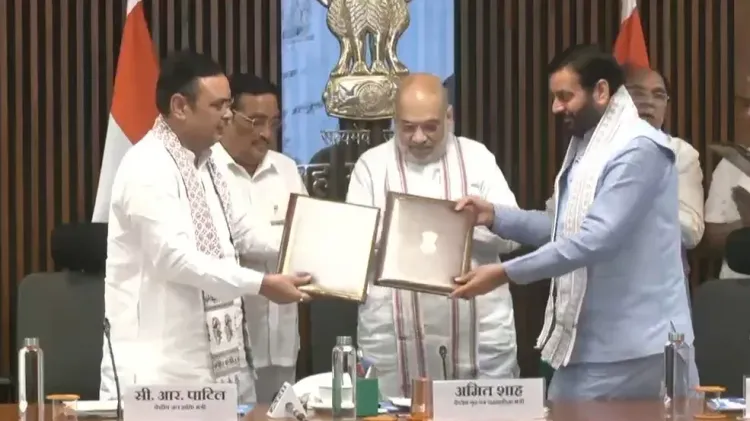
Rajasthan's Yamuna Water Project, stalled for nearly 32 years, cleared a landmark hurdle on Monday, 29 June as the governments of Rajasthan and Haryana signed a Memorandum of Agreement (MoA) in New Delhi, formally setting the ₹34,102 crore initiative on course for implementation. The project is designed to deliver long-term drinking water security to some of Rajasthan's most water-scarce districts.
Key Developments
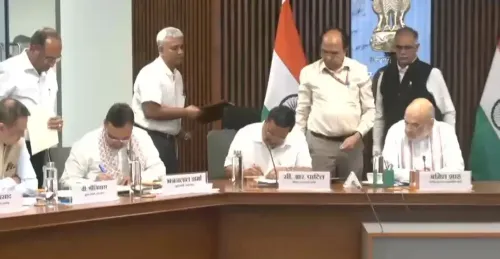
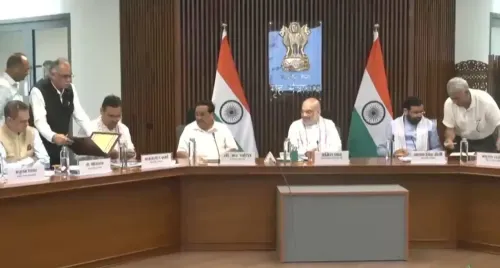
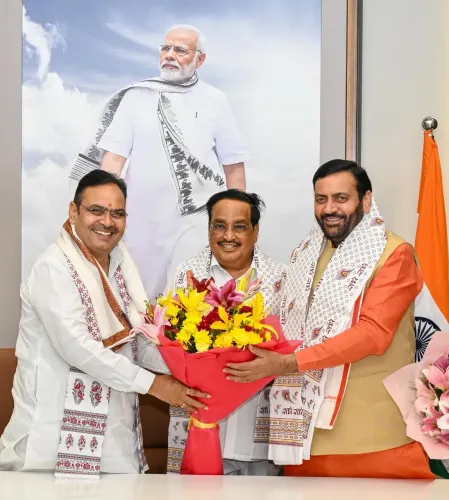
The MoA was signed in the presence of Union Home and Cooperation Minister Amit Shah, Union Jal Shakti Minister C.R. Patil, Rajasthan Chief Minister Bhajanlal Sharma, and Haryana Chief Minister Nayab Singh Saini, along with senior officials from both state governments and the Centre.
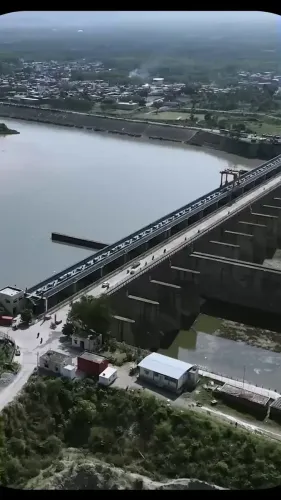
Under the agreement, Rajasthan's allocated share of 577 million cubic metres (MCM) of Yamuna water will be drawn from the Hathnikund Barrage in Haryana and transported to the Hansiyawas Reservoir in Churu district via an underground pipeline network stretching approximately 295.5 kilometres.
What the Project Involves
The infrastructure comprises three underground pipelines, each with a diameter of 3.6 metres, along with an inspection road, artificial reservoirs, and a modern water management system. Notably, the pipeline corridor has been designed to supply drinking water to ten locations in Haryana as well, making it a genuinely bilateral benefit rather than a one-sided transfer.
Rajasthan has already prepared the Detailed Project Report (DPR) and uploaded it to the Central Water Commission's e-PAMS portal. Haryana has granted in-principle approval for the proposed pipeline alignment, clearing a key procedural hurdle.
Governance and Implementation Structure
A Special Purpose Vehicle (SPV) — to be called the Rajasthan-Haryana Yamuna Water Project SPV (RHYW-SPV) — will be established to oversee the project's implementation, construction, operation, and maintenance. The SPV structure is intended to insulate project execution from routine bureaucratic delays that have historically plagued inter-state water infrastructure.
What the Government Said
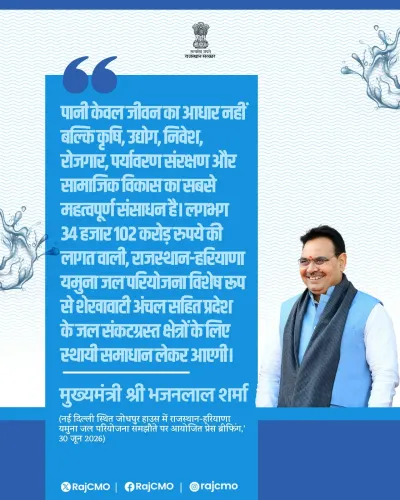
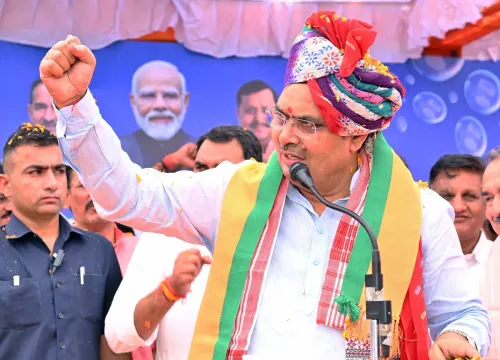
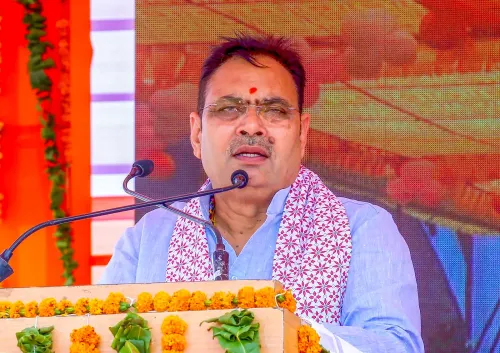
Chief Minister Bhajanlal Sharma described the signing as a reflection of Prime Minister Narendra Modi's vision of a Viksit Bharat, and placed the Yamuna Water Project alongside the Narmada Project, Jal Jeevan Mission, the Ken-Betwa Link Project, and the Ram Jal Setu Link Project as milestones in cooperative water management. He credited Amit Shah with facilitating consensus between the two states through 'sustained dialogue, trust, and coordination.'
Sharma also acknowledged the role of Jal Shakti Minister C.R. Patil, saying the ministry's 'proactive technical and administrative support helped expedite the project in a time-bound manner.'
Impact on Rajasthan and the Shekhawati Region
The project is expected to deliver the most direct benefit to Shekhawati, a historically water-stressed belt in northern Rajasthan that has long depended on groundwater sources facing rapid depletion. Officials say the assured surface water supply could also catalyse industrial investment in the region, which has struggled to attract large-scale manufacturing partly due to water scarcity.
This agreement ends three decades of inter-state negotiations, technical reviews, and political back-and-forth — a pattern that has derailed several major inter-state river-linking proposals across India. Whether the RHYW-SPV can translate the signed MoA into ground-level infrastructure within a defined timeline will be the next critical test.
Point of View
And one MoA does not erase it. The real question now is whether the RHYW-SPV can do what decades of committees could not: convert a signed agreement into functional infrastructure on a fixed schedule. Inter-state water projects in India have a well-documented history of MoAs that gather dust; the Ken-Betwa Link, signed years ago, is still years from completion. Shekhawati's groundwater crisis will not wait for another political cycle. The project's credibility will be measured not by the ceremony in New Delhi but by the first kilometre of pipeline in the ground.
NationPress
27 Sept 2026
Frequently Asked Questions
What is the Rajasthan-Haryana Yamuna Water Project?
It is a ₹34,102 crore inter-state water infrastructure project that will transport 577 MCM of Rajasthan's allocated Yamuna water share from the Hathnikund Barrage in Haryana to the Hansiyawas Reservoir in Churu district via a 295.5-km underground pipeline. The project has been pending for nearly 32 years and received a formal push with the signing of an MoA on 29 June 2025.
Why had the Yamuna Water Project been stalled for 32 years?
The project was held up by prolonged inter-state negotiations, technical reviews, and the absence of a binding agreement between Rajasthan and Haryana on water sharing and pipeline alignment. The MoA signed on 29 June 2025, facilitated by Union Home Minister Amit Shah, is the first formal agreement enabling implementation to proceed.
Which regions of Rajasthan will benefit from this project?
The project is expected to provide the most direct benefit to the Shekhawati region — a historically water-scarce belt in northern Rajasthan — along with other water-stressed districts. Officials also expect it to boost industrial and socio-economic development in these areas.
Does Haryana benefit from the project as well?
Yes. The pipeline infrastructure has been designed to supply drinking water to ten locations in Haryana along the route, making the project mutually beneficial for both states rather than a one-way transfer.
How will the project be implemented and managed?
A Special Purpose Vehicle called the Rajasthan-Haryana Yamuna Water Project SPV (RHYW-SPV) will be established to handle implementation, construction, operation, and maintenance. Rajasthan has already submitted the Detailed Project Report to the Central Water Commission's e-PAMS portal, and Haryana has granted in-principle approval for the pipeline alignment.