Yamuna Water Agreement: Rajasthan secures 1,917 cusecs after 32-year wait
Synopsis
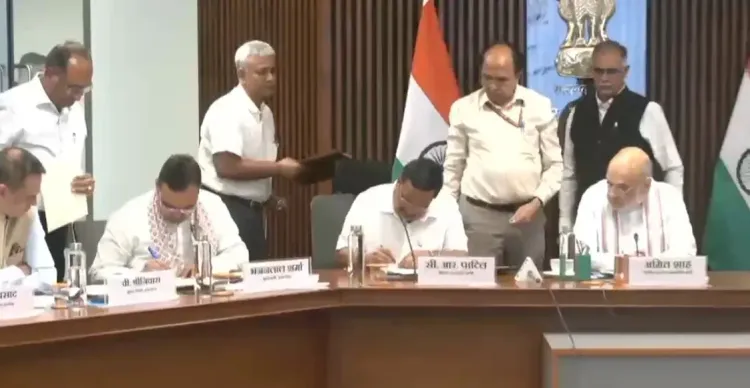
After 32 years and six governments, Rajasthan has finally converted a 1994 Yamuna water commitment into a signed agreement — unlocking 1,917 cusecs of water through a 295-km pipeline for the chronically parched Shekhawati region. The deal is as much a political verdict on decades of inaction as it is an infrastructure milestone.
Key Takeaways
Rajasthan signed the Yamuna Water Agreement on 29 June 2025 , ending a 32-year wait since the original accord in 1994 .
1,917 cusecs of Yamuna water will be delivered through a nearly 295-kilometre pipeline to the Shekhawati region.
The districts of Jhunjhunu , Sikar , and Churu are the primary beneficiaries, gaining drinking water, irrigation support, and industrial supply.
Chief Minister Bhajanlal Sharma coordinated with PM Modi , Amit Shah , C.R.
Patil , and the Haryana government over two-and-a-half years to seal the deal.
The BJP has blamed successive Congress governments — in Rajasthan and at the Centre — for failing to implement the 1994 agreement for over three decades.
The project is expected to reduce dependence on depleting groundwater and support long-term economic growth across Shekhawati.
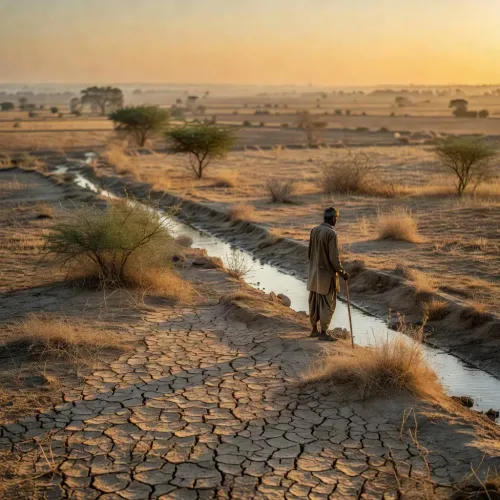
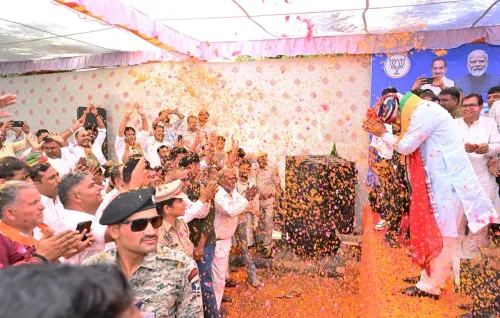
Rajasthan has finally secured its long-promised share of Yamuna water after a 32-year wait, with the landmark Yamuna Water Agreement becoming a reality on Monday, 29 June. The deal will channel 1,917 cusecs of Yamuna water through a nearly 295-kilometre pipeline to the water-scarce Shekhawati region, covering the districts of Jhunjhunu, Sikar, and Churu. For lakhs of families dependent on tankers and rapidly depleting groundwater, the agreement marks what officials are calling a transformational shift in the state's water security.
What the Agreement Delivers
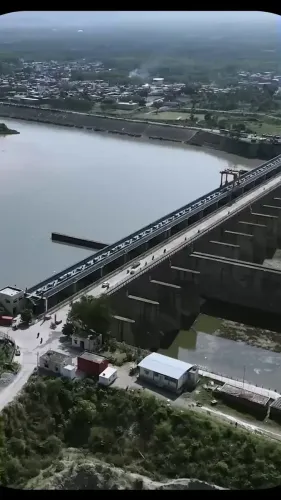
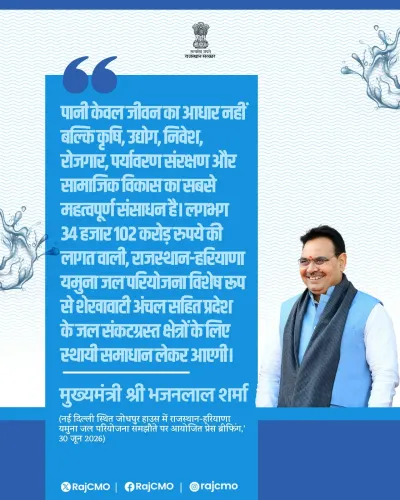
The 295-kilometre pipeline will carry 1,917 cusecs of Yamuna water into the heart of the Shekhawati belt, one of India's most water-stressed sub-regions. According to Chief Minister's Office officials, the project is designed to ensure reliable drinking water supply, provide long-term support to farmers, meet growing industrial water demand, and help recharge over-exploited groundwater aquifers. The supply of surface water is expected to reduce pressure on the region's rapidly depleting underground reserves while laying the foundation for sustained economic growth.
Three Decades of Inaction
The original agreement for sharing Yamuna water was signed in 1994, yet Rajasthan never received the benefits it was entitled to. Over the subsequent 32 years, governments changed multiple times in both Jaipur and New Delhi. The Indian National Congress (Congress) ruled Rajasthan on several occasions and also governed at the Centre for a decade during this period. Despite the water crisis repeatedly surfacing as a key electoral issue — particularly in the Shekhawati region — the 1994 commitment never translated into concrete action, remaining, as officials describe it, trapped in official files.
How the Current Government Broke the Deadlock
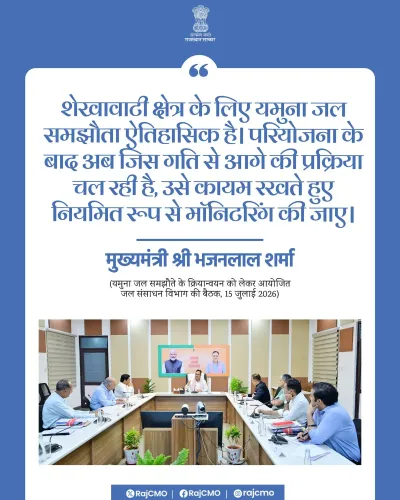
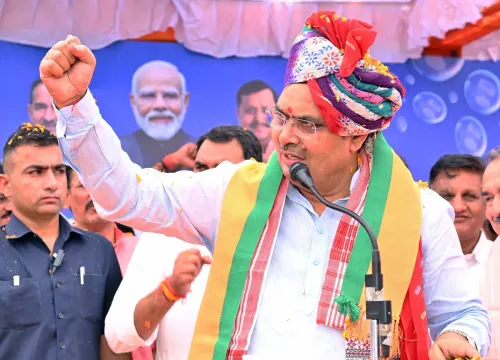
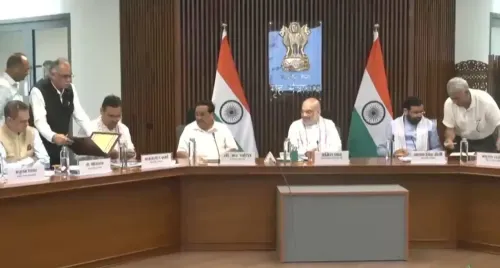
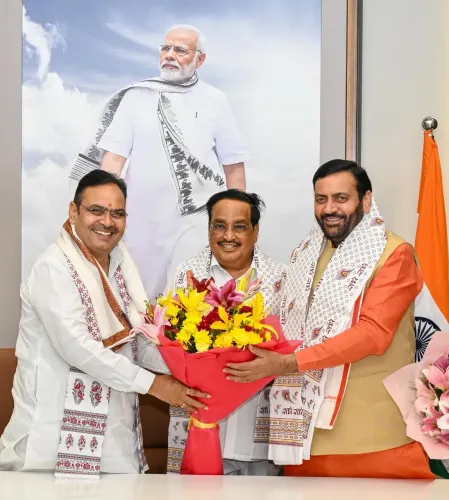
Shortly after assuming office, Chief Minister Bhajanlal Sharma identified the Yamuna water issue as a top state priority. His government initiated sustained negotiations with the Centre and the neighbouring state of Haryana. Over the past two-and-a-half years, the state maintained continuous coordination with Prime Minister Narendra Modi, Union Home and Cooperation Minister Amit Shah, Union Jal Shakti Minister C.R. Patil, and the Haryana government. Through what the state describes as cooperative federalism and persistent dialogue, the decades-old interstate deadlock was eventually resolved.
The Political Dimension
The agreement has reignited a sharp political debate. The Bharatiya Janata Party (BJP) argues that Congress — despite holding power repeatedly in Rajasthan and at the Centre — failed to implement the 1994 accord for over three decades. The criticism has been sharpened further by references to the Congress manifesto during the recent Haryana Assembly elections, which reportedly opposed the release of Yamuna water to Rajasthan. The BJP contends this reflected a direct contradiction between Congress's commitments to Rajasthan voters and its political positioning in Haryana. Congress has not publicly responded to these specific charges, according to available reports.
What Comes Next for Shekhawati
Beyond immediate drinking water relief, the project is expected to play a strategic role in the region's long-term development — supporting agriculture, accelerating urbanisation, and attracting industrial investment to an area historically constrained by water scarcity. The state government is presenting the Yamuna Water Agreement as a model of governance focused on outcomes over announcements. The pipeline project's implementation timeline has not yet been officially disclosed, and execution will be the next critical test of the accord's real-world impact.
Point of View
But the 32-year gap between signing and delivery is the more revealing story. Six governments — including Congress tenures at both the state and national level — let a 1994 commitment gather dust while Shekhawati families paid the price in tanker bills and falling water tables. The BJP's political framing is opportunistic but not inaccurate: sustained interstate water disputes rarely get resolved without a government that treats them as a priority rather than an election-season talking point. The harder question now is execution — a signed agreement and a laid pipeline are different things, and Rajasthan's water-stressed districts have been promised relief before.
NationPress
28 Sept 2026
Frequently Asked Questions
What is the Yamuna Water Agreement for Rajasthan?
It is a water-sharing accord under which Rajasthan will receive 1,917 cusecs of Yamuna water through a nearly 295-kilometre pipeline to the Shekhawati region. The agreement was finalised on 29 June 2025 , more than three decades after the original entitlement was established in 1994 .
Which districts in Rajasthan will benefit from the Yamuna water pipeline?
The primary beneficiaries are the districts of Jhunjhunu , Sikar , and Churu in the Shekhawati region. The project is designed to improve drinking water access, support farmers, meet industrial demand, and help recharge depleted groundwater aquifers.
Why did it take 32 years to implement the 1994 Yamuna water agreement?
According to the Rajasthan state government, the delay stemmed from an absence of sustained political commitment across successive administrations. The Congress party governed Rajasthan multiple times and the Centre for a decade during this period without converting the 1994 accord into an operational project. The BJP has attributed the breakthrough to two-and-a-half years of continuous negotiations under Chief Minister Bhajanlal Sharma .
What role did the Centre and Haryana play in the agreement?
The Rajasthan government maintained sustained coordination with Prime Minister Narendra Modi , Union Home and Cooperation Minister Amit Shah , Union Jal Shakti Minister C.R. Patil , and the Haryana government over the past two-and-a-half years. Haryana's consent was critical, as Yamuna water flows through its territory before reaching Rajasthan.
What is the political controversy surrounding the Yamuna Water Agreement?
The BJP has accused the Congress of failing to implement the 1994 agreement despite multiple tenures in Rajasthan and at the Centre. It has also pointed to the Congress manifesto during the recent Haryana Assembly elections, which reportedly opposed releasing Yamuna water to Rajasthan — a position the BJP describes as contradicting the party's promises to Rajasthan voters.