CM Bhajan Lal Reviews RAJ-UNNATI Projects, Extends Service Camps
Synopsis
Rajasthan CM Bhajan Lal Sharma chaired a RAJ-UNNATI review on 20 July 2026, assessed statewide development and welfare progress via video conference, held direct dialogue with grievance petitioners, and extended service camps across the state until 31 August 2026.
Key Takeaways
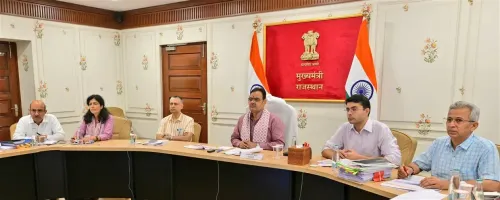
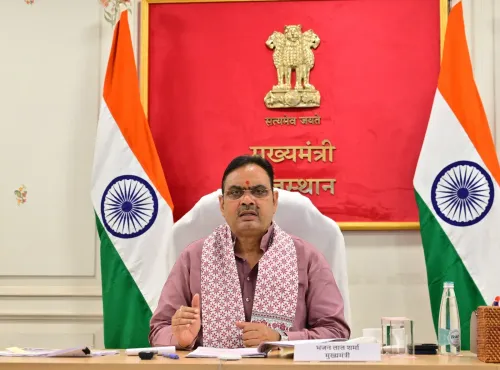
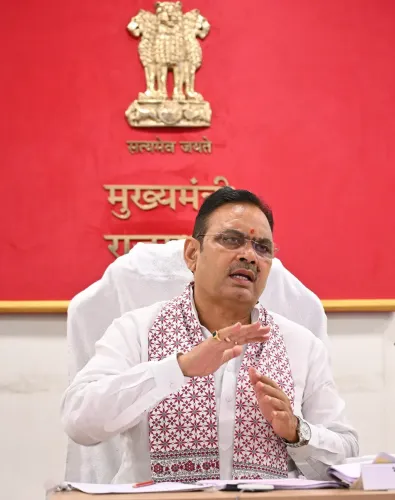
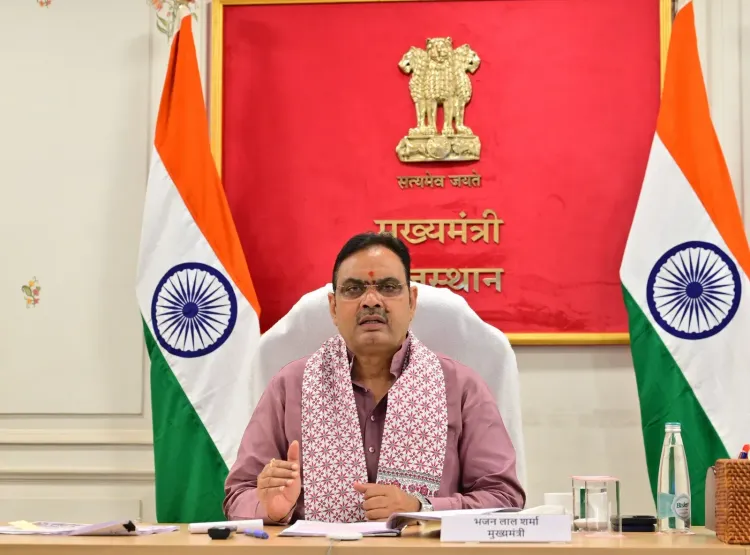
CM Bhajan Lal Sharma chaired a RAJ-UNNATI review meeting at the Chief Minister's Office on 20 July 2026 via video conferencing.
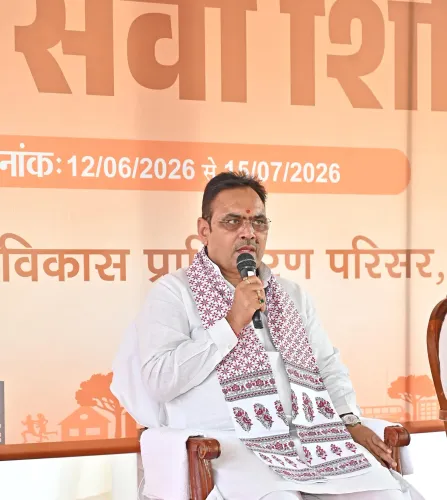
He held direct dialogue with petitioners from the Rajasthan Sampark and Mukhyamantri Jan Sunwai Portal , listening to grievances personally.
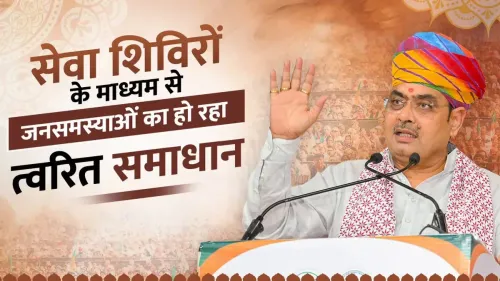
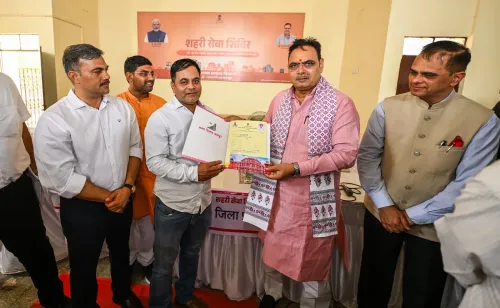
Service camps ( seva shivir ) across Rajasthan have been extended until 31 August 2026 to improve citizen access to government redressal.
Officials were directed to resolve every grievance case with sensitivity, accountability, and strict time-bound action.
The Chief Minister issued a zero-tolerance directive on delays, negligence, or poor quality in development projects and welfare scheme delivery.
The review underscores the BJP government's stated priority of transparent, time-bound governance under the #आपणो_अग्रणी_राजस्थान campaign.
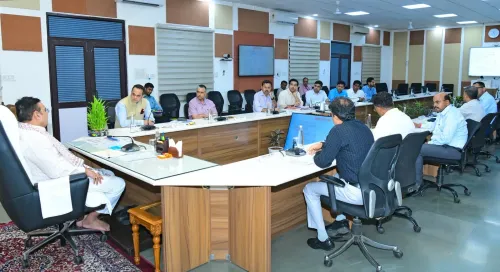
Rajasthan Chief Minister Bhajan Lal Sharma chaired a RAJ-UNNATI review meeting at the Chief Minister's Office on Monday, 20 July 2026, conducting a statewide assessment of development projects and welfare schemes via video conferencing. He also held direct dialogue with petitioners who had filed grievances on the Rajasthan Sampark and Mukhyamantri Jan Sunwai Portal, listening to their concerns and directing officials to resolve each case with sensitivity, accountability, and strict timelines.
Context
Posting on X, Sharma described the session as a comprehensive exercise covering both infrastructure progress and citizen grievances. In his words, officials were instructed to ensure that 'संवेदनशीलता, जवाबदेही और समयबद्धता' — 'sensitivity, accountability, and timeliness' — guide the resolution of every case. He underlined that delays, negligence, or any slackness in development work would not be tolerated.
The Chief Minister announced a significant administrative decision: service camps (seva shivir) currently operating across Rajasthan will be extended until 31 August 2026, enabling more citizens to access government services and seek redressal through a simpler, more accessible process.
Policy Backdrop
Rajasthan Sampark is a long-running state grievance portal that allows citizens to lodge complaints directly with government departments. The Mukhyamantri Jan Sunwai Portal enables direct public petitions to the Chief Minister's Office, offering a structured channel for citizens who feel their concerns have not been addressed at the departmental level.
Successive Rajasthan governments have periodically extended service camps and review mechanisms to accelerate welfare delivery and infrastructure execution. The RAJ-UNNATI framework appears to be the current administration's structured platform for monitoring such progress, bringing together departmental heads under a single review umbrella.
Sharma, who took office in December 2023 following the BJP's assembly election victory, has consistently positioned administrative accountability and timely project delivery as central pillars of his government's agenda.
Stakeholders and Impact
The primary beneficiaries of the extended service camps are ordinary citizens across Rajasthan — particularly those in rural and semi-urban areas — who may face barriers in accessing centralised government offices. The extension to 31 August 2026 gives departments additional time to clear pending grievances and ensure eligible citizens receive scheme benefits without interruption.
State government officials across all departments have been placed on notice: the Chief Minister explicitly stated that each project must be completed within its set deadline, with high quality and full transparency. The directive signals heightened scrutiny of departmental performance in the months ahead.
What's Next
With service camps extended through August 2026, the focus will shift to whether departments can demonstrate measurable improvement in grievance resolution rates and project completion timelines. Subsequent quarterly reviews under the RAJ-UNNATI framework will be a key indicator of whether the administration's accountability push translates into on-ground outcomes.
The Chief Minister's emphasis on zero tolerance for delays sets a clear benchmark: any visible slippage in flagship welfare schemes or infrastructure projects before the next review cycle will likely draw direct scrutiny from his office. The hashtag #आपणो_अग्रणी_राजस्थान — 'Our Leading Rajasthan' — signals the political framing the BJP intends to build around this governance push.
Point of View
The Chief Minister is signalling that accountability flows both upward — to his office — and outward to the public. The extension of service camps to August 2026 is a low-cost, high-visibility measure that keeps the government's accessibility narrative alive without requiring new legislative action. Whether the zero-tolerance directive on delays produces structural change or remains rhetorical will depend on what the next RAJ-UNNATI cycle reveals about actual project completion rates.
NationPress
21 Jul 2026
Frequently Asked Questions
What is RAJ-UNNATI in Rajasthan?
RAJ-UNNATI is a review framework used by the Rajasthan government to monitor the progress of development projects and welfare schemes across the state, with Chief Minister Bhajan Lal Sharma chairing periodic sessions via video conferencing.
What is the Rajasthan Sampark portal?
Rajasthan Sampark is a state grievance redressal portal where citizens can lodge complaints against government departments; it has been operational for over a decade and is one of the primary channels for public grievances in the state.
What is the Mukhyamantri Jan Sunwai Portal?
The Mukhyamantri Jan Sunwai Portal allows citizens to submit petitions directly to the Chief Minister's Office and seek hearings on unresolved grievances, providing a direct line to the top executive of the state government.
Until when have Rajasthan service camps been extended?
Chief Minister Bhajan Lal Sharma announced on 20 July 2026 that service camps operating across Rajasthan have been extended until 31 August 2026 to help more citizens resolve their issues in a timely manner.
What instructions did CM Bhajan Lal Sharma give to officials?
Sharma directed all departmental officials to ensure zero tolerance for delays, negligence, or slack in development work, and instructed that every project must be completed within its deadline with high quality and full transparency.